Crime & Safety
Virtual Kidnapping Scam on Uptick in Prince William County: Police
As such, Prince William County Police are advising residents to be on the lookout for bogus calls demanding money for a person's return.


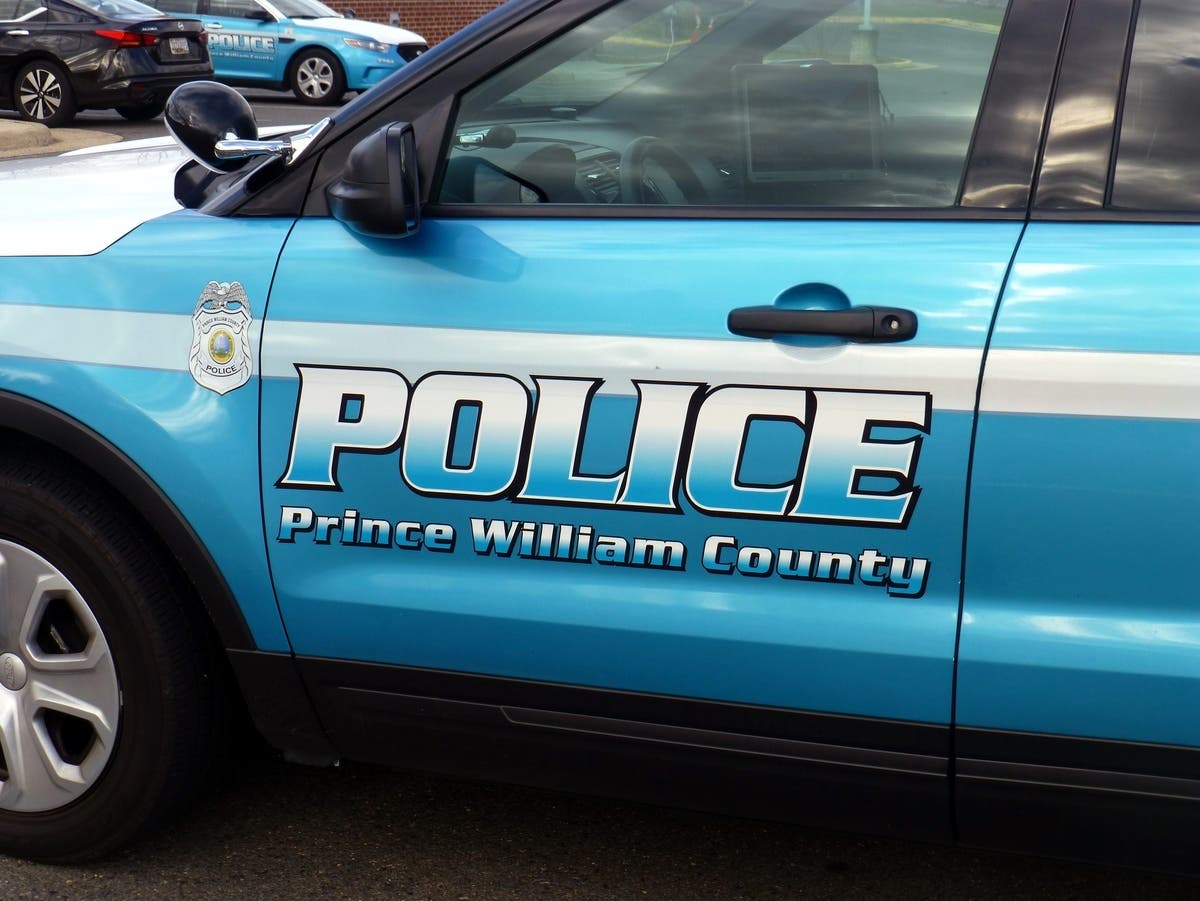
MANASSAS, VA — Authorities have noticed an uptick in "virtual kidnapping," a telephone scam also used on social media, according to Prince William County Police.
The scammers try to convince victims their loved ones have been kidnapped and demand money for their release.
Here are some examples and tips from police:
Find out what's happening in Manassasfor free with the latest updates from Patch.
In the scheme, individuals claiming to have kidnapped a family member. While no actual kidnapping has
taken place, the callers often use co-conspirators to convince their victims of the legitimacy of the threat.
For example, a caller might attempt to convince a victim that his daughter was kidnapped by having a
young female scream for help in the background during the call. The stated reason they are holding the
alleged victim varies, but some of the most prominent scams involve car accidents, drug debts, gang
assaults, or persons being smuggled across the border.
In another example, a caller may attempt to convince a victim that her husband or son was in a car accident with a gang member. The individual calling pretends to be a friend or relative of the gang member. This person tells the victim that their family member is seriously injured and needs to go to the hospital, but that their friend will not allow them to go the hospital until he gets paid for the damages done to his vehicle.
Victim telephone numbers appear to be dialed at random.
Find out what's happening in Manassasfor free with the latest updates from Patch.
Callers typically provide the victim with specific instructions to ensure safe return of the allegedly
kidnapped individual. In some cases, these instructions involve demands of a ransom payment. Callers
are ordered to stay on the phone until the money is wired, often to a third party in Puerto Rico.
Most schemes use various techniques to instill a sense of fear, panic, and urgency in an effort to rush the victim into making a very hasty decision. Instructions usually require that the ransom is paid immediately—
typically by wire transfer. Typically, once a payment is made, the alleged kidnappers claim the money was not received and demand that victims wire additional money.
To avoid becoming a victim of this scheme, look for the following possible indicators:
- Incoming calls come from an outside area code with area codes (787), (939) and (856)
- Calls do not come from the kidnapped victim’s phone
- Callers go to great lengths to keep you on the phone
- Callers prevent you from calling or locating the “kidnapped” victim
- Ransom money is only accepted via wire transfer
The scammers are skimming information about victims and their families by searching through social media. It is important to monitor what is posted online and to make sure you have the proper privacysettings in place. Should you be traveling avoid sharing your location on social media and be on high alert during especially during time of such a spring break and major holidays.
If you believe you are the victim of this scam, call our Communications Bureau at 703 792 6500 to reportit. If you believe your family member is victim of an actual kidnapping, call 911 immediately.
Image via Shutterstock
Get more local news delivered straight to your inbox. Sign up for free Patch newsletters and alerts.