Community Corner
Wayward Manatee Spotted In Chesapeake Bay Off Virginia Coast
A Florida manatee visited the cool waters of Chesapeake Bay near the Virginia Institute of Marine Science recently.


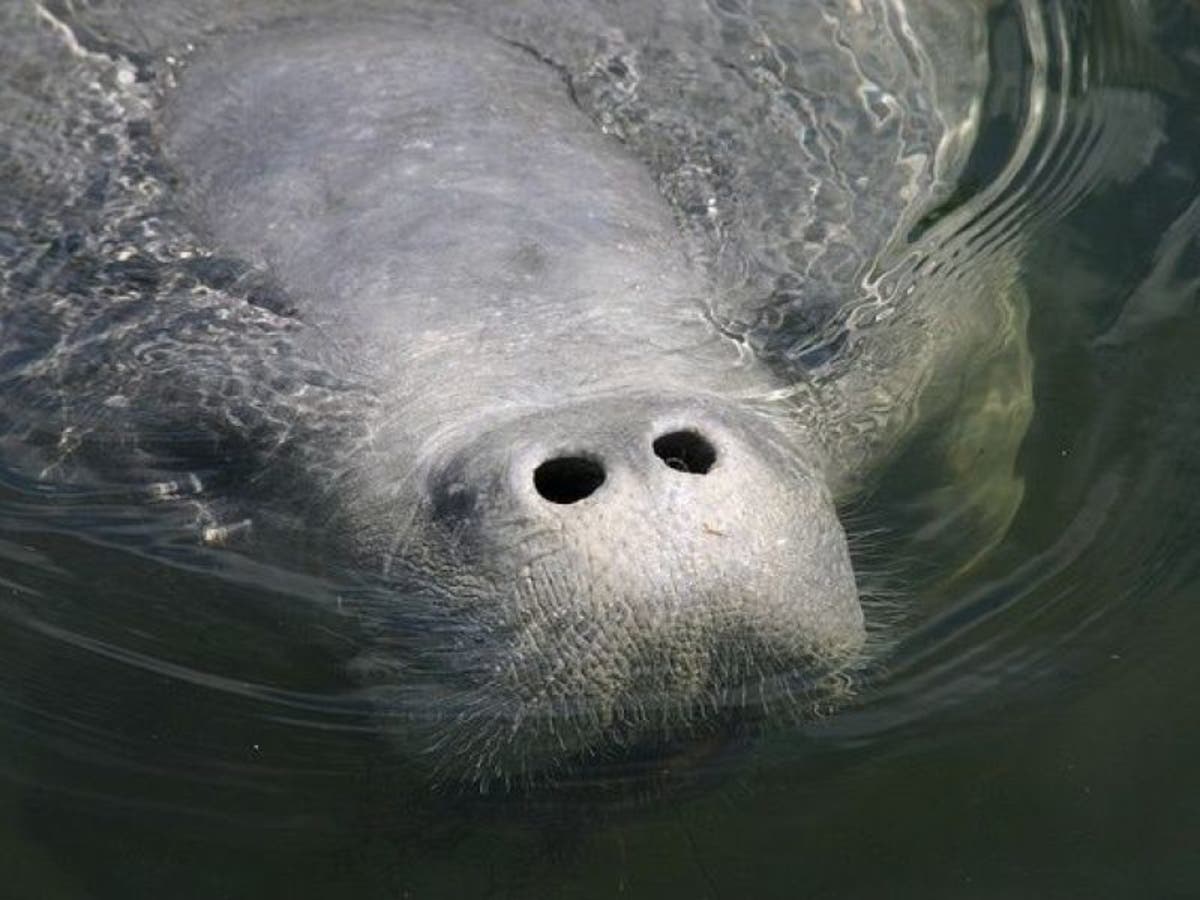
GLOUCESTER POINT, VA — A manatee, which calls Florida and other warm waters home, was spotted in the cool Virginia waters of Chesapeake Bay by a marine expert last week. The 6- to 8-foot long mammal was seen by a researcher in the waters at the Virginia Institute of Marine Science on Wednesday where the facility's boat basin access channel flows into the York River.
The aquatic mammals are commonly found in Florida, Georgia and South Carolina, but in recent years have been found in waters ranging from Massachusetts to Texas, including Virginia and Maryland. Manatees will head north from Florida to graze on the Chesapeake Bay's sea grasses, says a blog post by the National Aquarium. Warm summer months prompt the large animals to swim along the East Coast before returning to winter in Florida.
The beefy herbivore can range from 8 to 14 feet in length and can weigh from 440 to 1,300 pounds. (See video of the Virginia visitor at the bottom of the story.)
Find out what's happening in Newport Newsfor free with the latest updates from Patch.
“What in the world is that?’" scientist Corey Holbert said on the VIMS website. “It went under water right after I first saw it, so at first glance I wasn’t sure what it was—a seal, a shark? I just had no idea.”
The VIMS website says the water temperature in the York River was 65 degrees when the manatee was sighted, below its preferred lower limit of 68 degrees. The animals are subject to hypothermia in waters below 60 degrees; a manatee near Baltimore died in late November last years in the Patapsco River's cold waters.
Find out what's happening in Newport Newsfor free with the latest updates from Patch.
Holbert and his colleagues spent about 20 minutes watching and filming the manatee before it made its way into the York River. “Every three or four minutes it would poke its head up and take a breath,” says Holbert, “and that’s when we would get the best look.”
Scientists said on the website that they're concerned the manatee didn't appear headed back to the safety of Florida's warm waters, but instead was grazing on Virginia seagrasses.
The first live Maryland manatee was documented in 1994 along the Upper Eastern Shore of the Chesapeake Bay. "Chessie" was captured in Queenstown and taken to Florida for release a few days later. Since that time, manatees have been reported throughout the Chesapeake Bay each summer. About 6,000 manatees are thought to exist in the U.S.
Manatee numbers declined because of hunting in the last century, says the National Geographic, and today they are endangered. Sometimes called sea cows, the docile manatee is often injured by props from boats or tangled in fishing nets.
The National Aquarium says manatees are listed as vulnerable by the World Conservation Union's Red List of Threatened Species.
The Maryland DNR's Marine Mammal and Sea Turtle Stranding Response Program began in 1990 and has recorded over 1,000 strandings to date. Staff biologists respond to dead stranded marine animals and assist other organizations in live animal response both in the Chesapeake Bay and Atlantic Ocean.
Photo of a manatee courtesy of the Florida Fish and Wildlife Conservation Commission; video from the Virginia Institute of Marine Science via YouTube.
Get more local news delivered straight to your inbox. Sign up for free Patch newsletters and alerts.