Community Corner
Restoring Nature Action 4: Choose Plants to Support Insects, Birds, and Other Wildlife
Native plants
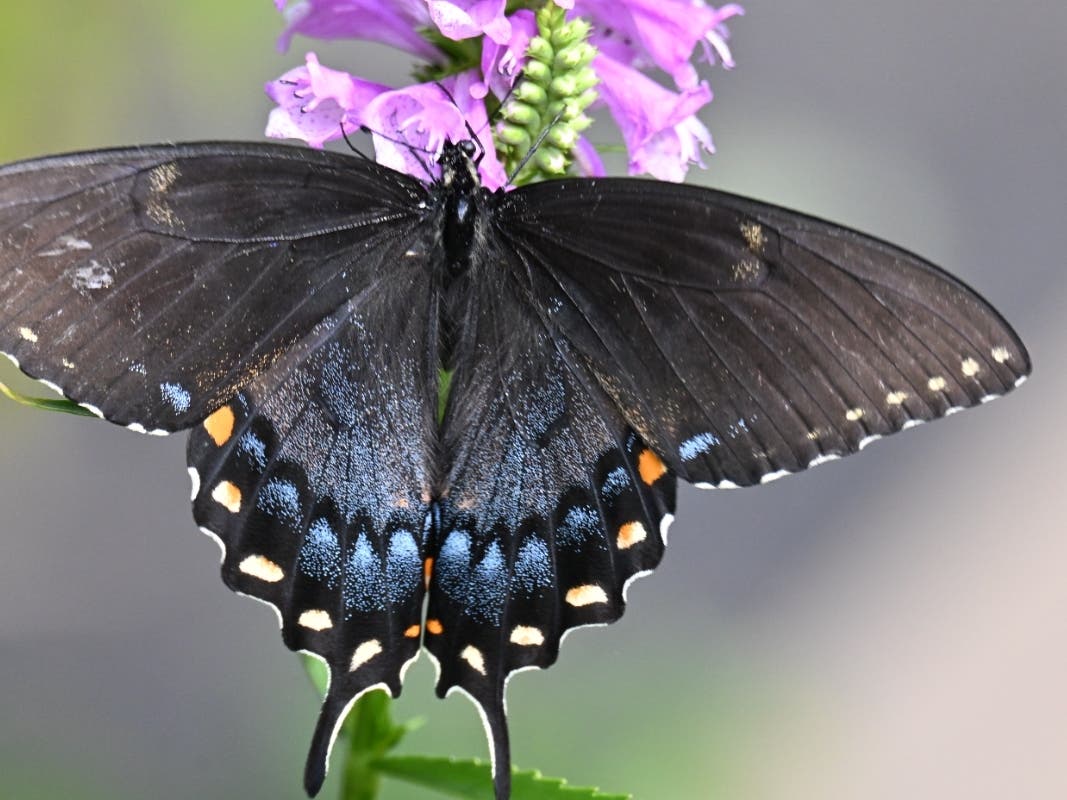


Nature is in trouble, but we can all play a role in helping to restore essential ecological services in our urban and suburban landscapes, including those of us with modest garden space.
Healthy natural ecosystems are built on wonderfully complex and diverse relationships between plants and animals. Property development and conventional landscape practices have undermined these relationships, but we can design our gardens to help rebuild them. Action 4 of our Restoring Nature series calls for choosing plants to provide pollen, nectar, and other food sources for insects, birds, and other wildlife.
Native plants have developed numerous strategies to attract and reward the services of specific types of insects. In foraging flowers for pollen and nectar, native bees, wasps, flies, butterflies, moths, and beetles fertilize the plants and allow for seeds and fruit to develop. Additionally, insects play a foundational role in nature’s food web as a food source for birds and other wildlife. Unfortunately, studies have repeatedly shown dramatic declines in population size and diversity of insects as a result of habitat loss and fragmentation and use of pesticides and other chemicals, with cascading impacts on animal diversity.
Find out what's happening in Oaktonfor free with the latest updates from Patch.
In addition to keystone plants discussed in Action 3 that provide food for the larva of butterflies and moths, here are other plant selection tips for maximizing the value for wildlife from your garden.
- Include a diversity of plants, because, in gathering pollen and nectar, insects and other animals are attracted to flowers of different shapes and colors.
- Provide a continuous succession of native flowering plants from early spring through fall.
- Support specialist native bees that require the pollen of one genus of plants to provide nectar for their young by planting goldenrods (Solidago spp.), sunflowers (Helianthus spp.), Asters (Symphyotrichum spp.), and other plants known to support these bees.
- Include plants that will provide fruits, berries and nuts for birds and other wildlife such as viburnums (Viburnum spp.), dogwoods (Benthamidia and Swida, formerly Cornus, spp.), highbush blueberry (Vaccinium corymbosum), and winterberry holly (Ilex verticillata).
You can create a table listing existing plants in your yard and desired plants to note key characteristics to track and identify gaps in bloom time (aim for three blooms per season) or color and highlight your contributions to supporting wildlife.
Find out what's happening in Oaktonfor free with the latest updates from Patch.
For more information and tips see Restoring Nature Action 4: Choose Plants to Support Insects, Birds, and Other Wildlife