Business & Tech
Stan Pate, In His Own Words | Part IV: The Legacy
Here's our fourth and final installment in our exhaustive profile series focusing on the life and career of Tuscaloosa developer Stan Pate.


Editor's Note: This is the final installment in our four-part series about Tuscaloosa developer Stan Pate, which focuses on the legacy he hopes to leave behind. All four parts can be found at Patch.com.
TUSCALOOSA, AL — I got a call the evening of March 22 from Tuscaloosa developer Stan Pate just as the 5 p.m. news cycle was ramping up on TV.
It's a memory I'll share with my grandkids in 50 years if I'm still around to tell it.
Find out what's happening in Tuscaloosafor free with the latest updates from Patch.
The genesis of this four-part profile series can be traced to that call, after I had published a story that day under the headline "Battle For 'Stan Pate's Bridge' Stalls, But Unlikely To Get Pushback."
But it was in the website's subhead for that story where we can truly find our initial starting point.
Find out what's happening in Tuscaloosafor free with the latest updates from Patch.
And, suffice it to say, Pate wasn't happy when he called to correct me on it.
ORIGINAL SUBHEAD: "Here's the latest on a resolution in the Alabama legislature to rename a Tuscaloosa bridge after developer Stan Pate."
CORRECTION: "Here's the latest on a resolution in the Alabama legislature to rename a Tuscaloosa bridge after developer Stan Pate's father."
It was an oversight.
A screw up.
A dumb mistake.
I throttled the keyboard of my laptop to fix the erroneous subhead while holding the phone against my ear with my shoulder. In the interim, we began to chat.
Apart from my sizable gaff, though, Pate didn't take issue with any of the reporting in my story.
Rather, he got emotional expressing concerns over his late father becoming a "political football."
Well, that ... and the fact that several sources in different circles in one way or another told me the interstate overpass spanning McFarland Boulevard would only be known as the "Stan Pate Bridge" if the measure were to pass.
As I previously reported, the resolution originated from the Alabama Senate and would rename it the "Luther Stancel Pate III Memorial Bridge" in honor of his father. For those not keeping score, the focus of our profile is Luther Stancel Pate IV.
And at this point in the series, I've written ad nauseam regarding Pate's insistence that the resolution originated not from him, but the legislation's sponsor, State Sen. Gerald Allen, a Republican from Tuscaloosa.
So, when Pate asked me over the phone to be more specific after I gave him the high points of what people were saying, I offered an opaque composite hoping it would satisfy his frustration, while still getting the point across that I hadn't just dreamed up the criticism.
"Oh, you know, it was a majority of the legislative delegation and some other heavy hitters in the community."
It was true after all. I had made contact with every single legislator whose districts include Tuscaloosa County and, to date, the only ones willing to go on record in vocal support of the bridge renaming have been Allen and State Rep. Curtis Travis, a Democrat from Tuscaloosa who has been a close personal friend to Pate for years and even prior to being elected to office.
On the phone, Pate paused for several seconds. Despite his public reputation, he's much more thoughtful and deliberate with his spoken words when communicating one-on-one.
"What in the [expletive] is a heavy hitter?" he asked me. Eloquent profanity if I've ever heard it.
For a split second, I felt my ears turn red with embarrassment — certainly not for him, but for myself. Then I nearly choked with laughter at the brutal honesty of the response.
And this is the Stan Pate I've come to know over the last month, after nearly a dozen hours worth of in-person and telephone interviews, along with a ream of independent reporting to tell his story at length in the fairest possible terms.
The leg work on our series concluded Friday, with a final sit-down interview in the same conference room where we had our first in-person talk nearly a month ago. He was wearing his normal Levi blue jeans, work boots and a tailored pink button down shirt from Ascot Chang in New York City with the sleeves halfway rolled up — one of the few personal luxuries he allows himself.
For an hour and a half, we discussed the legacy he hopes to leave behind as he enters what he referred to over and over again as the "fourth quarter of life."
Burying Caesar?
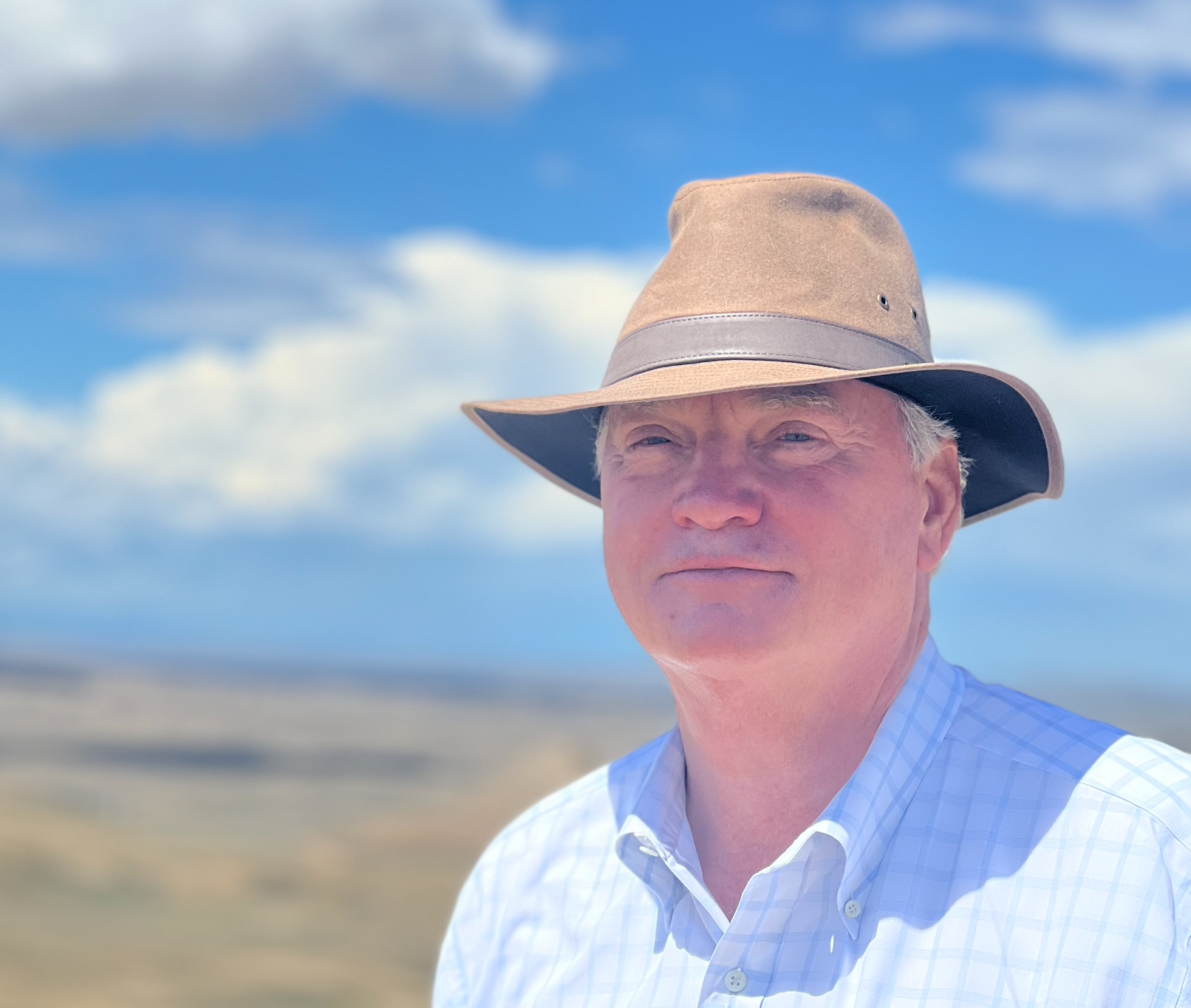
Longtime Tuscaloosa County High School English teacher Sarah Elizabeth Hamner Faucett was a legendary educator in her time and happened to have Pate in one of her classes.
During yet another formative experience during those early years and thanks to Mrs. Faucett, Pate became enthralled with "Julius Caesar" by Williams Shakespeare. It was Shakespeare who said "all the world's a stage," and, whether he realizes it or not, it's a concept Pate has embraced during his rise to the heights of power.
Pate went on to tell me he managed to snag the role of Marcus Antonius in their class play — toga and all. And, wouldn't you know it, Antony in Act 3: Scene 2 delivers one of the most iconic speeches in the entire play during the funeral of the slain dictator whom Antony had a hand in killing.
"Friends, Romans, countrymen, lend me your ears; I come to bury Caesar, not to praise him. The evil that men do lives after them; The good is oft interred with their bones; So let it be with Caesar."
This is one of Pate's favorite moments in all of literature. But it was also his response when I initially asked him how he would want to be remembered.
I even expressed in the moment that I was a bit surprised. It was a first in my journalism career for a highly public source to be so frank about their legacy.
Que Sera, Sera ... the haters be damned.
"I wouldn't have a problem with that being said at my funeral if I have one," he said, putting down the highlighted sheet of paper on the conference table after reading the passage to me.
My bachelor's degree from Ole Miss is in English and I've studied and recited "Julius Caesar" enough to leave it alone for good. But I'd never applied those words to a career as expansive as Pate's and, in that moment, things came into clear focus.
"The evil that men do live after them," Pate reiterated. "People easily remember the bad in people and that's something I learned a long time ago. Sticks and stones on the playground, words will never hurt me. And 'the good is oft interred with their bones.' It doesn't say 'always' but does say 'oft,' ... Whether somebody would say that out loud or not, that's probably the ultimate eulogy on me."
My question had been about his initial view of his legacy and I was a bit taken aback.
From the onset of this series, Pate has shown a painfully acute awareness of his own mortality despite only being 65 — a notion that further humanizes the man when working to profile such an expansive career. He admitted as much himself at numerous turns, as he prefers to focus on moving forward as opposed to dwelling on the past.
"[The series of interviews] caused me to think a lot about the past," he said in our final conversation. "Where I've been. Where I'm at. Where I'm going. I recognize I'm in the fourth quarter of my life and that's just being practical about it. As you reflect on where you're going and the fourth quarter, that gives a sense of urgency for me to get a lot of things done that I haven't gotten done. We don't know whether we're on the goal line or how much time is on the clock, but I want to use what time I've got to do more good."
Compared to Mark Antony, Julius Caesar is a more apt comparison for Pate when discussing his legacy, which he admits will indeed be a complicated one. Like the legendary Roman emperor, Pate's legacy is sure to depend much on who you ask.
A lover of country music, he then quoted the Randy Travis song "Three Wooden Crosses" as he reflected.
"It's not what you take with you, it's what you leave behind," he said. "There are some apologies needed and I think we all have those, but I'm willing to admit it. I've been really, really wrong on some things, but at the time I believed what I believed."
To some, he's an insanely rich boogeyman forever up to no good. To others, he's the Patron Saint of the Boot Strap. Again, it all depends on who you ask.
When you ask him, though, Pate understands the range of perceptions because people do talk and he prefers to let them, instead of spending his energy on minor battles defending himself against misconceptions. He saves that gusto for the fights he views as worthwhile, including a recent defamation lawsuit alleging online slander against a group of Tuscaloosa business leaders.
He's litigious. He's generous. He's a miser. He's a philanthropist. He's rich. He's a crook. He's a friend of the blue-collar man. He's only out for himself.
But in his own words, he'd argue that he's misunderstood at worst and, at best, doing what he believes is right, regardless of what anybody thinks or what it costs him.
"I've run a lot of stop signs in life, metaphorically speaking, but I think they're worth running," he said. "If you're not willing to run stop signs in life, I don't think you're reaching your full potential. Those of us who stretched boundaries are in a position to reap new possibilities."
Civil Disobedience![]()
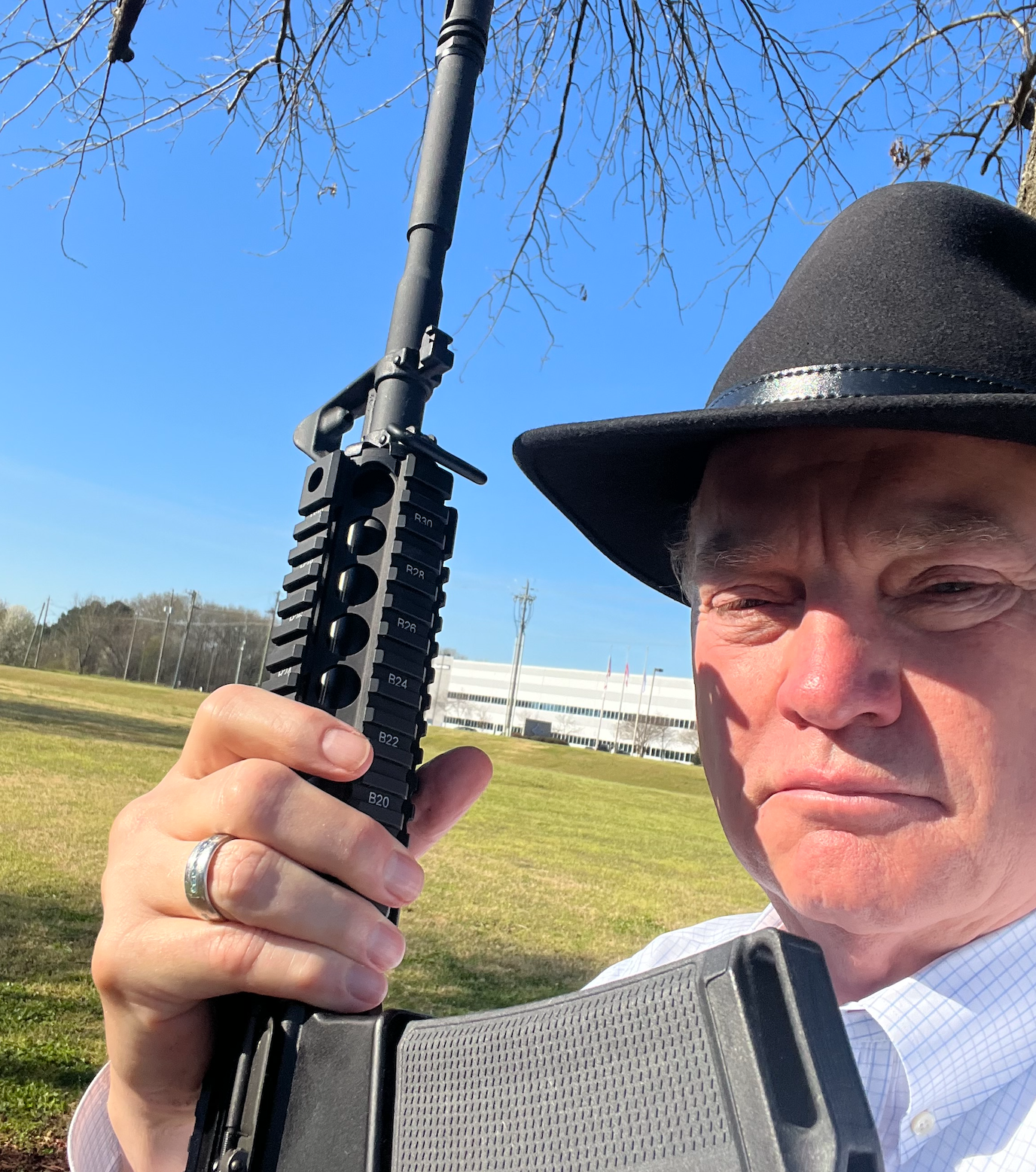
Don't let Stan Pate's gruff way of speaking or love of blue-collar work fool you with respect to his literary tastes, which figure prominently into his worldview.
Even before I learned about his longstanding love of transcendentalist authors such as Henry David Thoreau and Ralph Waldo Emerson, I compared him in Part I of this series to Thomas Sutpen — the plot-driving central character in William Faulkner's "Abasolom! Abasalom!"
"As far as Civil Disobedience, part of my legacy for anyone who has looked at my life and listened to my life, I've had some civil disobedience that may not have been so civil," he said with a laugh, referencing the iconic work of Henry David Thoreau, along with his own very public brushes with the law and spats with authority figures in elected office.
But after our hours of conversations and peeling back the layers, he became less like the dusty interloper in Faulkner and more like a composite of Shakespeare's Caesar and Charles Foster Kane — a self-made titan aware of his faults and the inevitability of coming to terms with where he went wrong, instead of focusing on the financial success he continues to enjoy.
Indeed, formative experiences have been the central focus of this profile series and in classic literature and philosophy is where Pate cited time and again his approach and worldview. Never mind that he has also said on multiple occasions that his true love is numbers and understanding how things work.
For about 15 minutes sitting at that conference table on Friday, he thumbed through printed pages of quotes with the good parts highlighted and read them off to me. He insisted upon it and, when thinking back over the thousands of words written in this series, the quotes take little thought or effort to apply to the chapters of his life up to this point.
"Give me liberty or give me death," from founding father Patrick Henry is his favorite. Pate, after all, is a lover of guns, America and freedom.
And it might as well be his favorite quote, given that few have gone on to embody the long-gone ideal of the "American Dream" like Pate — a Horatio Alger character with a bulldozer.
"With Thoreau, I was struggling in early high school and there was mandatory reading," he told me. "But there was reading you wanted to do, so I got real immersed in the transcendentalist period. The one thing that struck me about Thoreau was that 'a man is rich in proportion with the number of things he can let alone.' I've always loved that."
In that same thought, he lamented the criticism from people who assume that he only takes public stands on issues because he has the money to do so or wants the attention.
"My father instilled in me the importance of patriotism, holding your hand over your heart and just respect for the freedoms that I enjoyed," he said. "And he instilled that in me and hopefully I've instilled that in a lot of other people."
While Pate initially focused on "Civil Disobedience" as a catalyst for his worldview, even more parallels can be found in its contemporary: Emerson's earth-shattering essay "Self-Reliance," which remains in print to this day.
For Pate, it's not just a self-reliance for day-to-day survival, but a self-reliance of thought, something that can be seen in his support for political candidates of all parties, beliefs and backgrounds.
As noted in the political chapter of this series, Pate's maverick approach played a major role in Alabama electing Guy Hunt as the state's first Republican governor since Reconstruction and over the years he has strolled through the halls of power to become a visible force among the MAGA wing of the Republican Party.
Through his money and connections, he has had a major hand in shaping the Republican Party in his home state and at the highest levels of government. It's very much an anti-establishment, populist approach that directly reflects the numerous formative experiences that made Pate a success.

And it's because he likes outsiders — an approach that isn't restricted to GOP loyalty, as Patch previously reported. But at the absolute highest level, his admiration circles right back to his admiration and support for former President Donald Trump and other far-right political figures who can be easily classified as outsiders.
Divisive personalities, too: Ohio Sen. J.D. Vance; former Arizona Senate candidate Blake Masters; and former Georgia Senate candidate Herschel Walker.
"Emerson taught a lot about self-reliance and I was in a situation [growing up] where that's where I was at," Pate told me, referring to his turbulent childhood and having to be in charge of his own destiny. "It's about making up your mind for yourself and Trump refers to that a lot."
The Road Not Taken
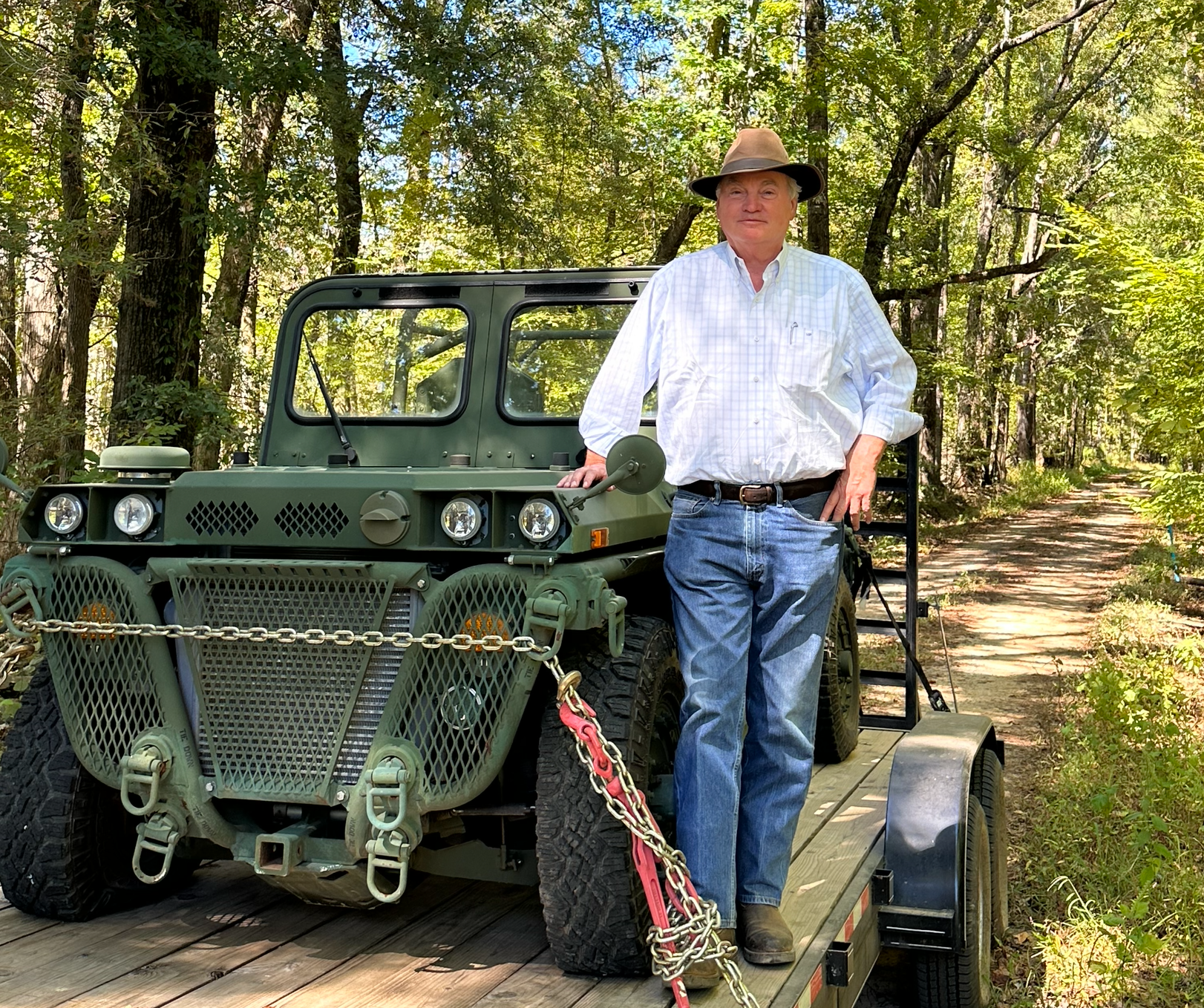
In keeping with the literary theme when examining Pate's legacy, another of his favorites is Robert Frost's classic poem "The Road Not Taken."
In the words of this timeless piece of literature, Pate makes sense of where he is today and uses it to analyze the myriad things he could have done differently.
"I shall be telling this with a sigh
Somewhere ages and ages hence:
Two roads diverged in a wood, and I—
I took the one less traveled by,
And that has made all the difference."
Pate referenced this poem in most of the interviews for this series and did once again when discussing his regrets.
"I thought about this in the last few days and if anybody will really admit it, I've had more failures than successes, and I'm not just talking about monetary failures," he told me Friday. "When you reflect on your life, there are a lot of things you maybe wouldn't be so darn proud of. I could have made more money by taking a different path, as Robert Frost said. The reality of it is, I should have conducted myself differently."
From a business perspective, his answer was surprising, given that Pate comes off as the type who chooses not to linger on regrets. But this is where his reflection of Robert Frost shifts to an appreciation of "The Gambler" by Kenny Rogers.
"There are some things that, if I could go back, I would have doubled down on," he said. "I folded 'em too quick and that's why 'The Gambler' means so much to me. Life is a gamble. We take risks, some work out and some don't, and that goes right back to the things that formed me. For the guy who takes that risk, do you like to fail in front of everybody? I don't mind. When you get up on the stage as much as I do, hell, there's gonna be some bad acting from time to time."
Despite the message of the classic country song, Pate insists he is a not a "roll-the-dice" kind of businessman and instead said there were moments where he could have simply worked harder and accomplished more. He then lamented that he has only begun to scratch the surface of his true potential.
"I should have took a few more risks and there were some I recognized were opportunities but I took a step back for whatever reasons," he said. "I think if you have an idea or vision and you plan it well, then you shouldn't be surprised at the outcome. I usually have a let down a bit when something is finished and it's been liquidated and you get the financial reward from it. We had a big business deal last year that was great for the company. I bought a bottle of champagne to celebrate and it's still in there in the refrigerator. We just went back to work."
When asked about tangible reminders left behind from his business career, Pate explained that while many will say he has had a hand in developing large parts of Tuscaloosa, he views many of these projects as temporary — as he said, "dust in the wind."
"I've built nothing yet that's a 50-year build," he said, before mentioning what he views as true legacy developments in the public works sector, such as the Panama Canal and the Hoover Dam. "Think about the DePalma's building in downtown [Tuscaloosa]. It was built in the early 1900s or so and it's still around. The people that built these buildings were artists ... I typically want to do things better than they have to be done. So, how do I stop spending more money than is required on a project, just to satisfy me? It's not to satisfy the requirement. But I'm not going to stop that."
Still, Pate does have plenty of irons in the fire, including a push to secure a business license for a large-scale, integrated medical cannabis grow and production operation near his office on Industrial Park Drive. If successful, he expects the project to create 130-150 new jobs and position Tuscaloosa to play a major role in the burgeoning industry once it gets off the ground.
Pate's firm for the venture — Evexia Plus, LLC — is among the 38 applicants vying for licenses to operate an integrated production facility.
According to the Alabama Medical Cannabis Commission, the state is scheduled to award licenses on June 12, which will then open the door for physicians to begin the certification process to recommend medical cannabis to qualified patients.

Separately, another longterm project is the redevelopment of the McFarland Mall property owned by Pate since 2009. He's dubbed the initiative "Encore," and very much intends for it to be a legacy development once the lease ends for the Dollar Tree store, which is the lone tenant left on the property.
As for future plans, he's teased the possibility of a world-class youth sports tournament facility and other potential concepts.
"The reason McFarland Mall is named 'Encore' is because it is my encore [to the Midtown Village development]," he said, pointing to the maps on the wall in his conference room that represented just a small part of his war room on the redevelopment of the property. "I intend to do something special and that something special is relative to where we are ... and what makes economic sense. I will leave something special and it certainly will generate revenues for the government that they can go do something special with.
"I do a lot of different things, I love the variety of it and I'm not focused on a single business model," Pate added, circling back to things he would have done differently in his business pursuits. "Had I [focused on a single business model], I probably would have been more successful. It certainly would have been more routine, which I don't like. I just hope I'm remembered as a guy that stood his ground and stood true to what he believed in, even in the face of some tremendous adversity. Building buildings and renting them to people, there's nothing so special about that."
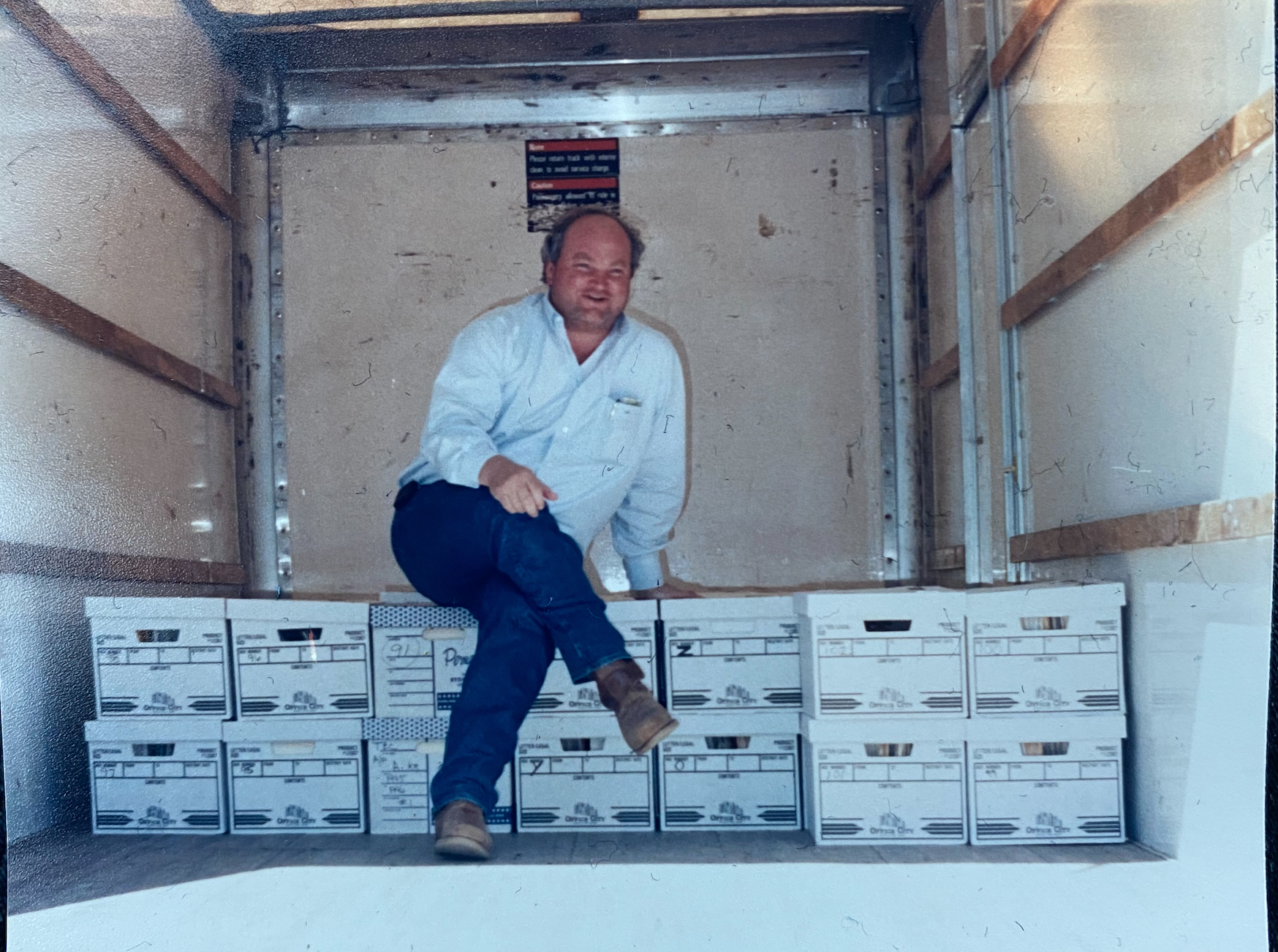
Indeed, it's the absence of a family that remains the regret closest to his heart.
This notion comes into sharper focus when remembering back to the first installment of this series when I closely examined Pate's childhood and the scars left after losing his father at such a young age.
Pate's mother was abusive and neglectful, resulting in Pate and his three sisters being separated from one another. When Maxine Newsom Pate died in 2005, he didn't even attend the funeral. It's apparent these wounds never truly healed for Pate, who does not have much to speak of in terms of relationships with his flesh and blood. To him, his family has become the team of dedicated employees buzzing around his office on Industrial Park Drive.
And it's here where we can possibly find valuable insight when examining why Pate chose to live his life up to this point as a childless bachelor.
From an early age he was forced, by no fault of his own, to take charge of his life in order to survive. Now, more than half a century later, that tough little boy in need of a family once again came to the surface as he discussed his personal evolution.
"I 'interviewed' with a few women and never got hired," he said with a halfway laugh. "And I don't know whether it was my resume or bad behavior, but the result was the same. It was a huge mistake not having a wife. A little girl would have been everything to me. So, no wife, no children was my biggest mistake. And I could have been kinder or maybe I should have been more open, but a lot of that has to do with where I come from.
"A wife and children would have been a real legacy for me," Pate continued. "I don't want to call it a substitute, but I do have the privilege of being able to know a lot of my friends' children and interact with them. It takes me totally out of this world of pushing and shoving and aggressiveness and dust-ups. It takes me totally away from that. I've always had my best relationships with the elderly and children."
At one point in his career — more than a decade ago — Pate even dabbled in songwriting and gave a brief glimpse into his view of romance.
Titled "Everything I Do For Her Is Good For Me," Pate co-wrote the lyrics and paid for it to be cut as a single in a Nashville studio by session musicians. Personally, he thought Rascal Flatts would be the ideal group to make the song a hit.
He went on to explain that, like many people before him, he was grumbling about a relationship and lamented out loud to himself "everything I do for her is good for me."
"I still remember the spot I was at when I said the words and the inspiration to attempt to write a song came to me," he said. "Every partner in a relationship, man or woman, should think of their relationship this way."
Click the link below to list to the song:
Unable to see the video link above to listen to Pate's song? Click here to listen to it on YouTube.
Don't be misled by this brief section about Pate's regrets, though. As he told me, he's far from done and plans to use the wealth he has amassed to do as much good as possible during the "fourth quarter" of his life. This includes his estate and how it will be divided up upon his death.
"There's about 15 children I've identified and they're going to have significant resources at my death for them to go reach for the stars," he told me. "I've even bought some of them a star from a star registry and given them the coordinators. I've written letters to them from time to time. The theme of those letters is to encourage what I just said. But more than that, to say simply that much is given and much is expected, encouraging them to go out and do big things in the world and for the world."
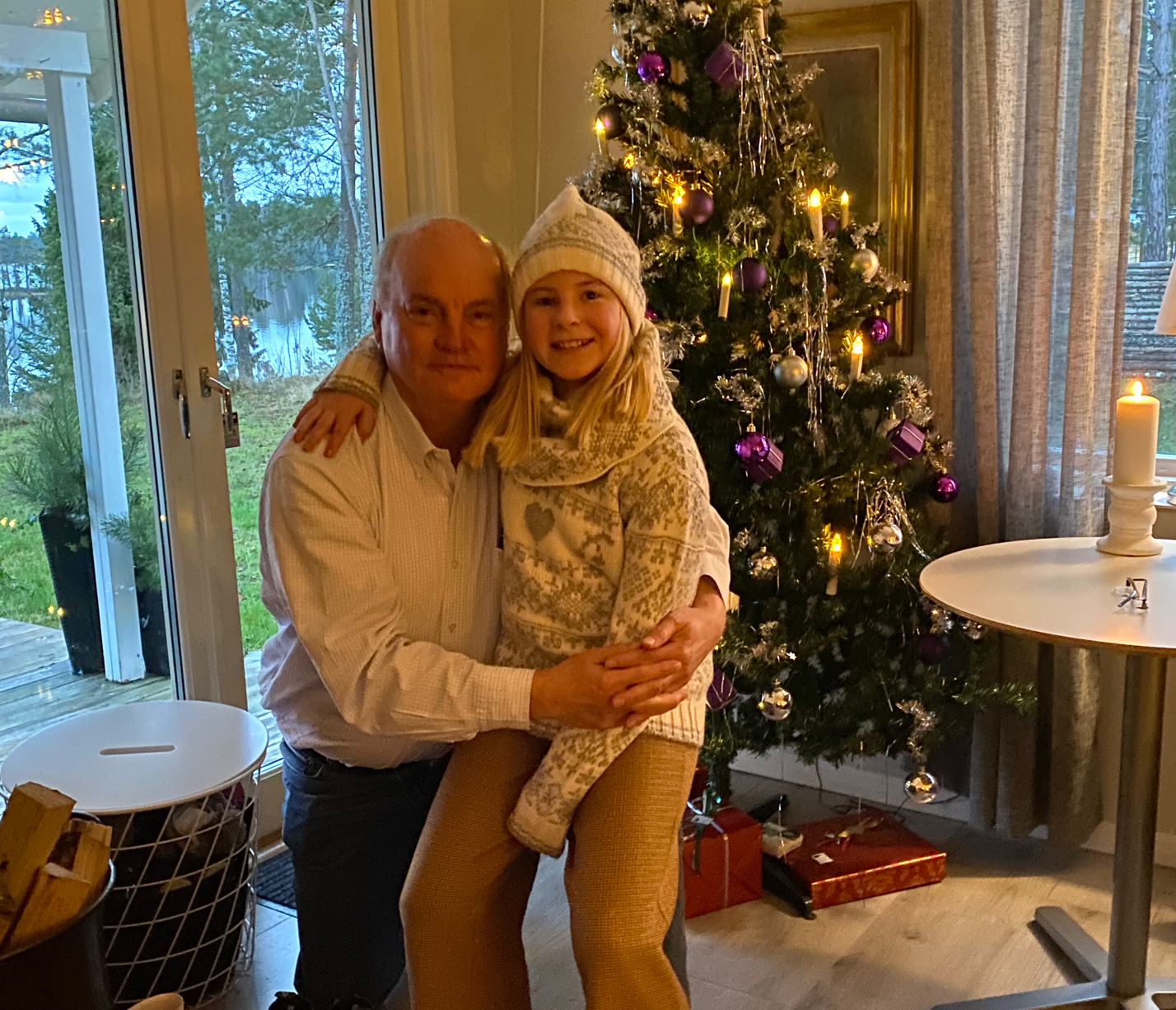
Pate explained that these children figure prominently into the legacy he hopes to leave behind, especially considering he has no children of his own to carry on his name or inherit his sprawling business interests. He's also been considering investing more time into a mentorship program not just for young aspiring entrepreneurs, but for anyone of any age interested in learning about his approach to business.
But he insisted again that philanthropy is going to be a central focus moving forward. For Pate, giving back is going to become more of a beloved pastime than ever before in an effort to help poor, battered woman
"I don't have hobbies, but that don't mean I can't have a hobby," he said. "We've spent a lot of time [during this profile series] in the rear view mirror, but I'm real focused now on what I'm seeing out the windshield. And that's my motivation, part of my goal. ... Some people never reach their potential and get on that wrong path because they can't afford to [pursue their dreams] and I want to help in any way I can."
Citizen Pate![]()
This series has found plenty of examples throughout literature and history to parallel Pate's larger-than-life persona. From Horatio Alger to Ralph Waldo Emerson, Pate's story truly is one of the rare examples of the now-mythical "American Dream."
But when considering his legacy, warts and all, arguably the best comparison to Pate found in art or otherwise is Charles Foster Kane — the titular character played by Orson Welles in the 1941 film "Citizen Kane."
To make a long story short, the film begins with lawyers parceling out the estate of the self-made mogul upon his death, while those left behind work to make sense of Kane's final word: "Rosebud."
"Rosebud" is revealed to be the trade name of Kane's childhood sled, which many film and literary critics argue is a reference to a longing for the warmth of his mother's love during boyhood and the simplicity of his youth — the last time he was truly happy.
See any commonalities?
Indeed, if there was a "Rosebud" for Stan Pate, it would be the name he inherited from his late father. He carries this name as a reminder of what he's lost, where he's been and how he became the man he is today. It also serves as a daily reminder that he will be the fourth and final of his name.
What separates Pate from Kane, however, is a visibly keen awareness of the time he has left and how he plans to make right with the life he has led. He then thought back to the 15 children he mentioned when discussing his estate.
During the course of this series, Pate has sent me several pictures of the bright-eyed, blond-haired Swedish children he has come to know during his travels. For instance, one picture shows him with a little boy named Elliott and the John Deere tractor Pate gave him for Christmas — delivered from Tuscaloosa to Sweden by none other than Santa Claus.
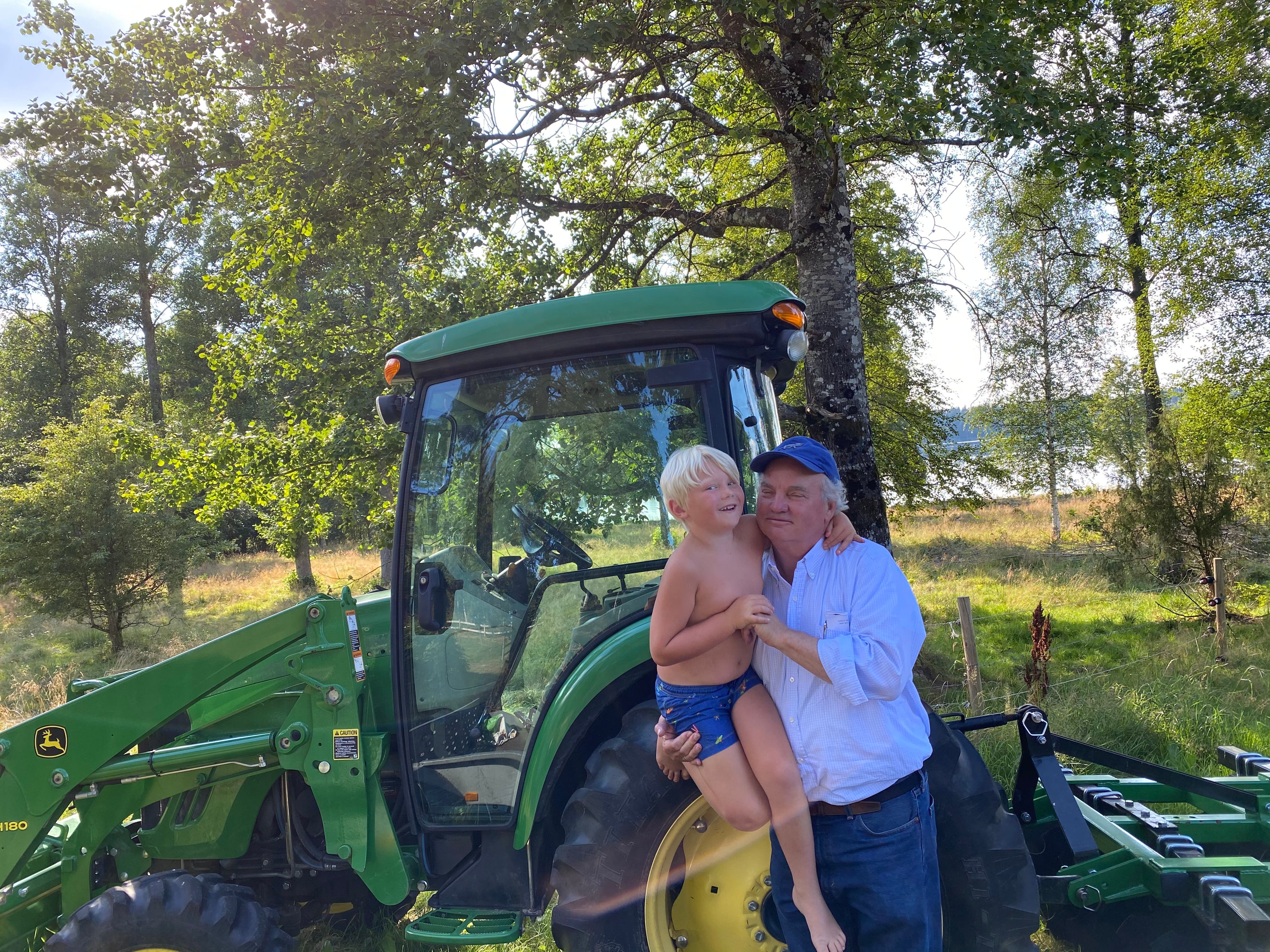
By all accounts, he's become a kind of surrogate grandfather to these children, especially a 10-year-old in a recent conversation with one of the children, who encouraged the 65-year-old real estate mogul to focus more on "spoiling" himself.
Following this sweet encouragement, Pate went out and purchased a new helicopter and a new private jet. He also brightened up when talking about the kids.
"Think about what their world is going to look like and think about what their world looks like in 50 years," Pate told me of the children who will benefit from his estate. "I've also been buying some significant timber tracts to ensure, best I can, that they're never sold again. I always try to ask a good friend what kind of tree they like and then go plant one."
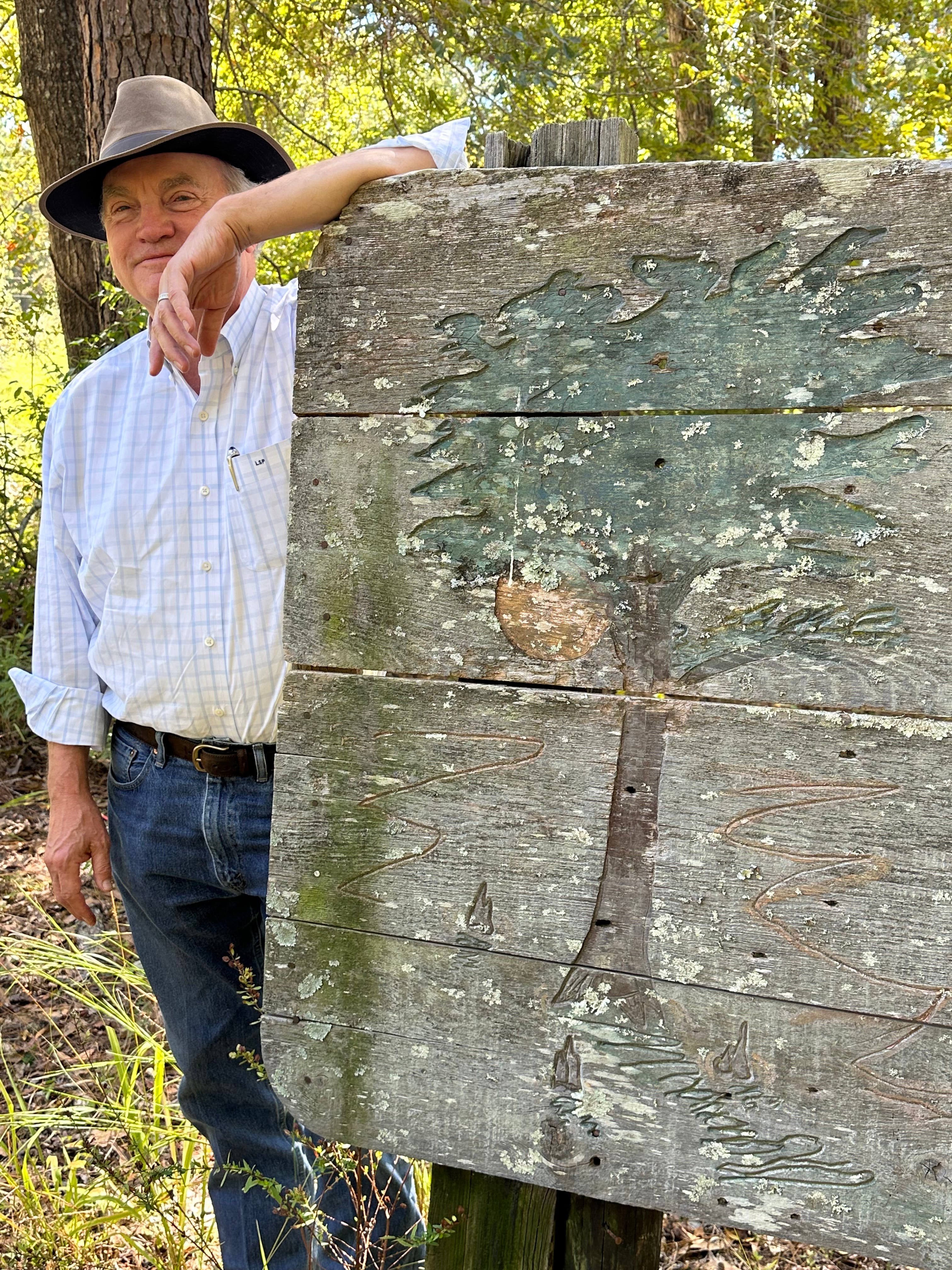
In that spirit, he recently planted a special walnut tree at Shady Grove [his 6,300-acre playground near Demopolis] for one of the children and aims to plant many more to leave a lasting reminder after he's gone for the ones he cares about.
Still, everything comes full circle back to his father, especially when discussing the latest updates on the proposed bridge renaming. The resolution has passed the Alabama Senate and is now likely to have an easy path to the governor's desk now that it has landed with a House committee.
Pate views the proposed renaming not as a legacy for him, but as a nod to the blue-collar ideals that his late father embodied. While he acknowledges there are plenty of people who may disagree, he sees it as a fitting tribute, not just for his father, but for every working man and woman.
"I don't see myself being near the man he was," Pate told me. "I'm more of a loved by few, feared by many type guy and he was just a loved-by-many type of man. I had nothing to do with this whole naming of the bridge. Am I humbled by it? Absolutely. Is it an honor for him? Absolutely. There appears to be a lot of people who didn't think he deserves it, but in my eyes it's a great honor for him.
"Back away from the fact he's my father, I think it's the greatest thing in the world that the bluest of the blue-collar guys in our community could have that honor, because they are mostly just people," he added. "I hope his name on that bridge stands for all the people who made this world work, for the folks that build the cars, the folks that build the tractors, the folks who grow the food and pick up our garbage."
When discussing a legacy as complex as Pate's, it's not going to all be pretty. Far from it in some cases, actually.
And that's the point — something the poor boy from Buhl hasn't forgotten as he broke through barriers to become a titan of commerce and a political kingmaker. While it ultimately would not be the case for Julius Caesar, Pate hopes that some of the good he has done will leave a lasting impression instead of being interred with his remains.
In closing, he offered a quote that sums up quite well the subject matter of this entire profile series by referencing trade union activist Nicholas Klein's famous speech in 1918:
“First they ignore you. Then they ridicule you. And then they attack you and want to burn you. And then they build monuments to you."
Ryan Phillips is an award-winning journalist, editor and opinion columnist. He is also the founder and field editor of Tuscaloosa Patch. Email news tips and suggestions to ryan.phillips@patch.com
Get more local news delivered straight to your inbox. Sign up for free Patch newsletters and alerts.