Politics & Government
Trains To Quiet Horns Through Neighborhoods
Loma Linda is working with Union Pacific to set up "no-whistle" zones at city railroad crossings.


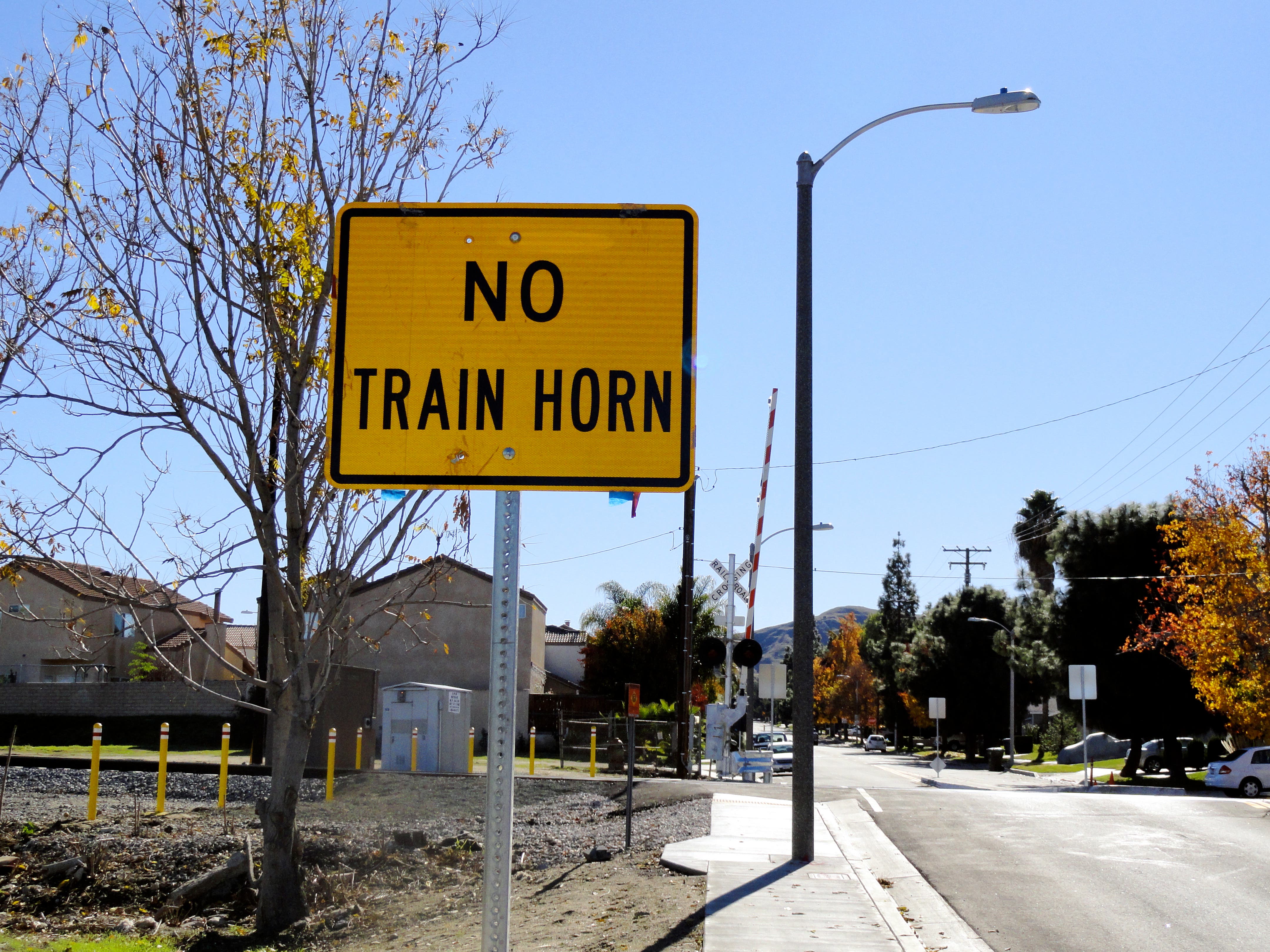
Two Loma Linda neighborhoods could become quieter if the city and Union Pacific railroad can come to an agreement about creating quiet zones.
The move would benefit residents who live near railroad crossings at Whittier and Beaumont avenues, said Jeff Peterson, associate engineer with Loma Linda.
"We've been given the preliminary approval for the quiet zones," Peterson said. "We're asking the engineers to not blow the whistle starting Dec. 15."
Find out what's happening in Redlands-Loma Lindafor free with the latest updates from Patch.
A quiet zone is an area in which the blaring of train horns by conductors is discouraged.
The city has worked with the railroad since 2005, when the California Public Utilities Commission implemented a federal rule allowing government agencies to establish quiet zones, according to Peterson.
Find out what's happening in Redlands-Loma Lindafor free with the latest updates from Patch.
"We've gone through great lengths to establish this, filing the proper paperwork," he said.
To improve safety, Peterson said the city made several improvements at the railroad crossings, such as adding hard-to-avoid arms and adding signage.
Once established, it will be up to the train operators to respect the zone, Peterson said.
Residents welcomed the news. Over the years, officials said many have made pleas for the horns to stop.
"If I'm outside, it is very loud," said 19-year-old Scott Bentley. His Whittier Avenue home sits feet away from the crossing. His family has lived in their home for 10 years, he said.
They're used to the sound of the trains but not the blaring of the horn, he said.
"If we're outside, it gets loud enough where it actually makes your ears hurt," he said.
Just talking with others can be difficult, said 21-year-old Joanne Ochoa. The trains run behind her First Street home, located a half a block from the Whittier crossing.
"It can be tough to have conversations," she said. "Like when I'm on the phone, I usually lock myself inside my room."
Peterson estimated 37 trains travel through the city daily.
"Three long blasts is what the engineers tend to do when they're near the crossings," Peterson said. The sound levels have been measured at about 120 decibels, Peterson said.
By comparison, sandblasting or a loud rock concert would measure about 115 decibels.
"It's extremely loud," he said. "People who had enough wanted to know what they could get to get this turned off. We found a way."
Get more local news delivered straight to your inbox. Sign up for free Patch newsletters and alerts.