Health & Fitness
Chili Makes Foodlore History Here in Rohnert Park
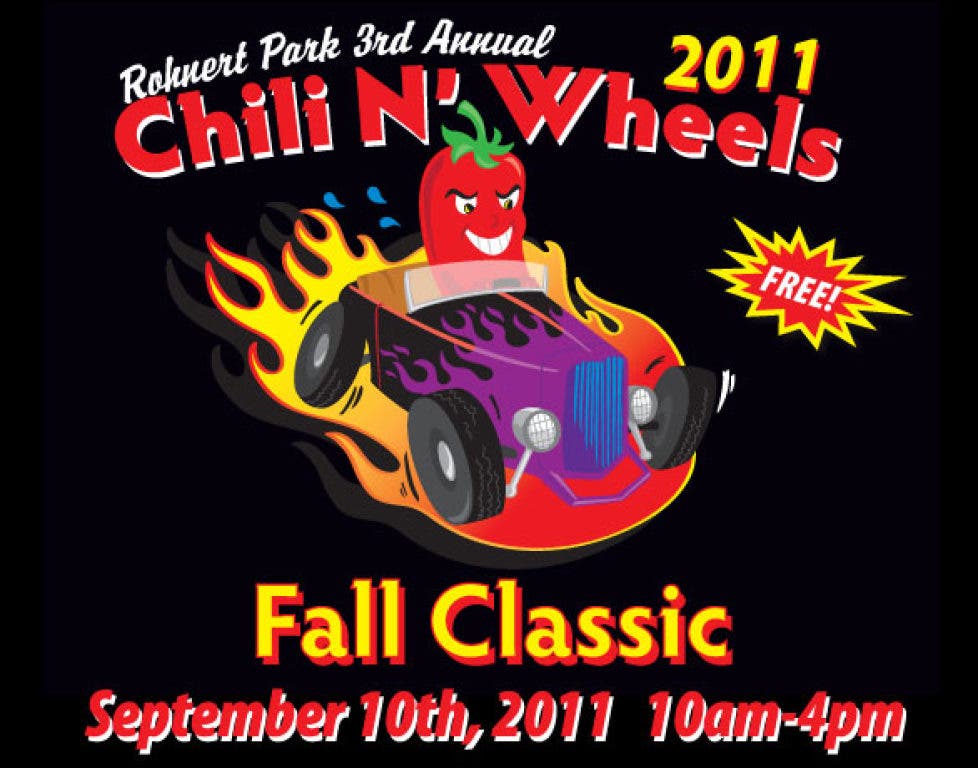
Rohnert Park's 3rd Annual Chili 'N Wheels Fall 2011 Fall Classics keeps the creative spirit of chili alive and classic car engines revved. Free admission, free chili, free family fun.

Food lore is packed with traditions and customs that are (or were) designed to keep people alive and well. Food ways – cultivation, gathering, storing and serving - have purposes that often go beyond the present moment or meal. Created to explain the whys and hows of food as an important ingredient in any and all life passages, food-related traditions are designed to ensure bountiful harvests and protect against the uncontrollable forces of nature (weather, etc.) that could threaten our access to food.
Over time the food ways we find most vibrant in this country are those that have adapted to our melting pot nature. One great example of this is chili.
Here is some food lore about this popular dish:
Find out what's happening in Rohnert Park-Cotatifor free with the latest updates from Patch.
- The spicy origins of chili aren’t contemporary. Some records note that the earliest arrival of chili can be traced back to 17th Century stories about the first-ever chili recipe. Written by Sister Mary of Agreda, a nun from Spain, it included venison or antelope meat, onions, tomatoes, and chili peppers.
- An 18th century folk tale states that chili was created when a group of colonists settled outside of The Alamo in Texas to build churches. In this newly found village, the women would cook their meat stews, bring them in pots to the center of the village where they continued to cook over a fire. Local residents would stop by to eat the food. The camp-like setting is still a popular way to cook chili today.
- A wealthy Texan and chili enthusiast discovered that Texas nomads and adventurers created these spicy delicacies on travels to the California gold fields of the 1850’s. Since the life of most gold seekers was hard, they often ate quick, ready to eat meals of ground dried beef, fat, pepper, salt, and chili peppers.
- In the early 20th Century chili restaurants and joints cropped up in the Southwest and then the West. From there it became a national favorite with creative ingredients. For example, on the east coast, spaghetti was incorporated into a dish of chili. Shredded cheese, kidney beans and chopped onions became ideal elements for this dish.
Chili has evolved from a quick-to-cook meal choice to a traditional dish that can take hours to prepare. It is now infused with Asian, African and Arabic flavors that suggest the dish has been adapted to suit a broad range of cultures. It is itself now the center of some foodway celebrations.
Chili cook-offs are showing up across the country. Amateur and professional competitions pit creative cook against creative cook, each with a personal approach to this one pot meal.
Find out what's happening in Rohnert Park-Cotatifor free with the latest updates from Patch.
In less than two weeks the adaptable quality of chili will make history again. That’s when the Rohnert Park 3rd Annual Chili ‘N Wheels takes pace on September 10 from 10 a.m.-4 p.m. between Applebees and the Reading Cinema on Rohnert Park Expressway.
People will have a chance to taste more than two dozen kinds of chili, including vegetarian and spicy Mexican style. A FREE benefit cook – off and classic, pre 1975 car show for Fence at The Top and for Independent Business Leaders, this one day event keeps chili on the books, so to speak, as a food way that doesn’t skip a beat.