Neighbor News
Thinking of Refinancing in San Diego? Be Careful About This
The economy shrank by 4.8% in Q1 2020 as the coronavirus hit the US. (WTOP.com). As a result of the job losses, three million mortgages..

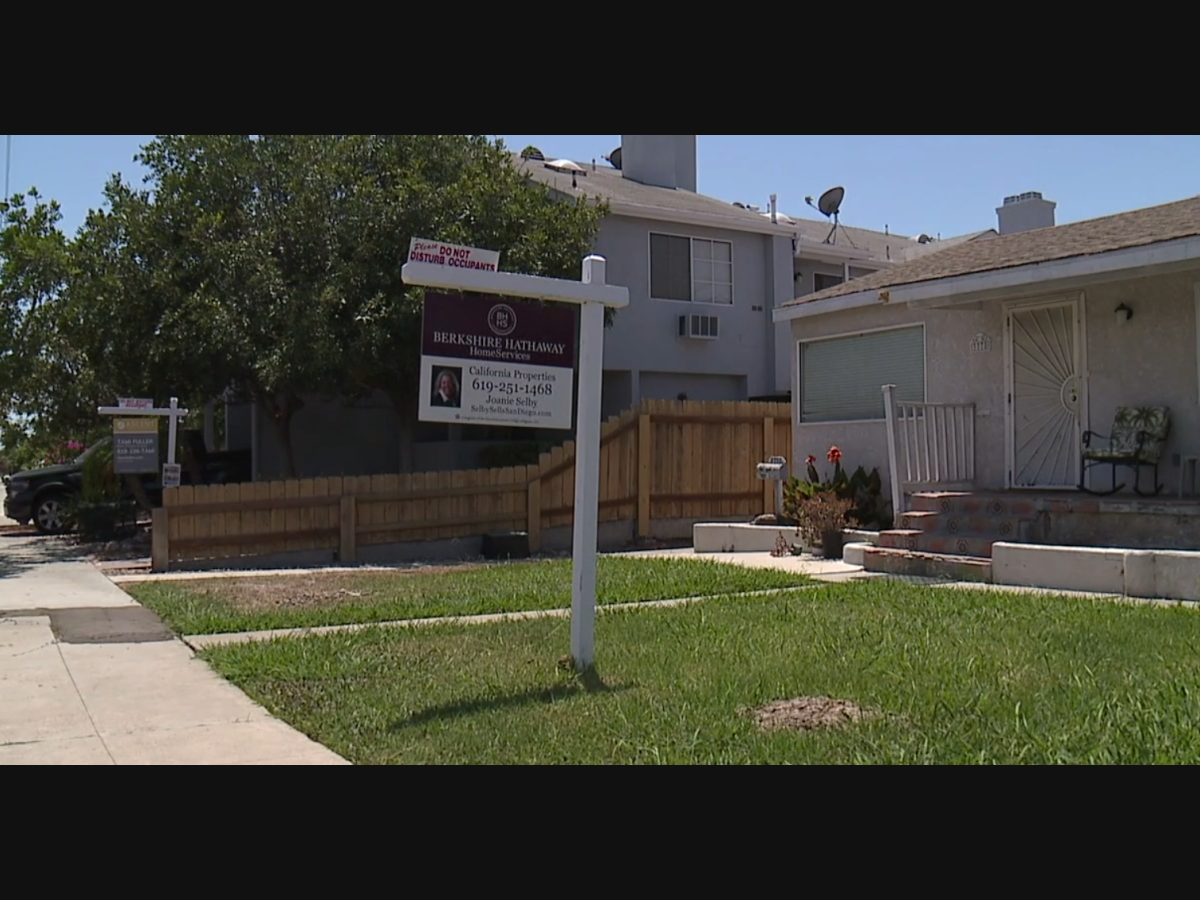
The economy shrank by 4.8% in Q1 2020 as the coronavirus hit the US. (WTOP.com). As a result of the job losses, three million mortgages in America in forbearance.
Forbearance is part of a program in the CARES Act that offers homeowners with government-backed mortgages the ability to delay their payments for up to a year. (NBCsandiego.com)
According to mortgage and data analytics company Black Knight, almost 6% of all active mortgages are in forbearance. Nearly 5% of Fannie Mae and Freddie Mac-backed loans are in forbearance, as are 7.6% of FHA and VA loans.
Find out what's happening in San Diegofor free with the latest updates from Patch.
There are almost certainly thousands of homeowners in San Diego that are in forbearance, as well, although the numbers have not been reported.
Forbearance Can Delay a Mortgage Refinance
Find out what's happening in San Diegofor free with the latest updates from Patch.
Forbearance does provide the opportunity for San Diegans behind on their mortgages to delay payments, sometimes without it being reported to the credit bureaus.
But delaying payments on a mortgage with forbearance could be a problem for people who want to refinance in the near future.
What Is Forbearance?
As unemployment has soared to 28% in San Diego County, more city and county residents have been turning to forbearance to stretch their cash on hand. (10News.com).
Under the CARES Act, people who have government-backed mortgages can enter forbearance. This allows them to stop or lower their mortgage payments during financial hardship. It can last for six months, but you can ask for another six-month extension. It is required to contact your lender if you want a forbearance agreement.
Forbearance can help many San Diego homeowners in the short term, but it has its drawbacks, according to mortgage professionals. The program is not debt forgiveness and the mortgage company is not giving you any money.
Forbearance means the lender is forbearing current payments for six months or a year. But in the end, the payments that were deferred have to be repaid.
Options to pay back the delayed payments include: (ConsumerFinance.gov)
- Pay the deferred amount in a lump sum payment at the end of the forbearance period.
- Work out a payment plan that increases the monthly mortgage payment at the end of the forbearance period.
- Loan modification to lower monthly payments, which many in San Diego may need who lost their jobs and were rehired at another employer at a lower wage.
- Extend the terms of their mortgage and add the missed payments at the end.
The Consumer Finance Protection Bureau states on its website that homeowners with FHA, VA, USDA, Freddie Mac, and Fannie Mae-backed loans do not have to pay it all back at once. (Foxbusiness.com)
Forbearance Can Be a Life-Saver, But There Are Downsides
Forbearance can be a big financial help in a period of unemployment or reduced hours, but it is not a perfect solution. San Diegans who want to refinance their mortgages in the future could hit snags if they had a forbearance agreement.
If you were thinking about a refinance to reduce your mortgage interest rate and enter forbearance, you may not be able to refinance until up to a year after you get current on the loan.
Also, delaying your mortgage payments could damage your credit. Some lenders may not report late payments to the credit bureaus, but it is important to understand the terms of your forbearance agreement and how it affects your credit score.
Surge in Forbearances Can Hurt the San Diego Housing Market
The increase in forbearances in San Diego could damage the housing market as it creates cash flow problems for lenders. Black Knight reports that while forbearance requests across America are dropping, they could peak at 4.5 million this summer.
However, if the coronavirus lockdowns continue, as many as 8 million mortgages could go into forbearance. If more people are going into forbearance, it will be harder to find a lender for a new loan or a refinance in San Diego. (CashOutRefiTips.com)
A drop in home prices also could make it harder to refinance in San Diego, especially for people who want a cash-out refinance.
Further, the prices of all mortgages will rise as cash flow is cut off to lenders. Credit requirements will become more difficult, so anyone looking for a loan could have a harder time.
Final Thoughts on Thinking of Refinancing Your San Diego Home
If you are thinking about refinancing your San Diego mortgage, entering a forbearance program could make it more difficult. You may have to delay the refinance until all of the missed payments are made up.
If you are considering forbearance because of a job loss, please get everything in writing. Read it over carefully and do not assume anything based on a conversation. Make sure you understand how your forbearance program could affect your credit score. Otherwise, your refinance could be years off because of damaged credit.
Last, getting a mortgage refinance in San Diego in this market could be more challenging, but with a decent credit score, it is still a good possibility. Check different lenders and see what their requirements are, as loan standards vary considerably from one bank to another.