Health & Fitness
6 Ways to Get More Veggies in Your Diet
Five servings of vegetables per day are recommended for a healthy diet
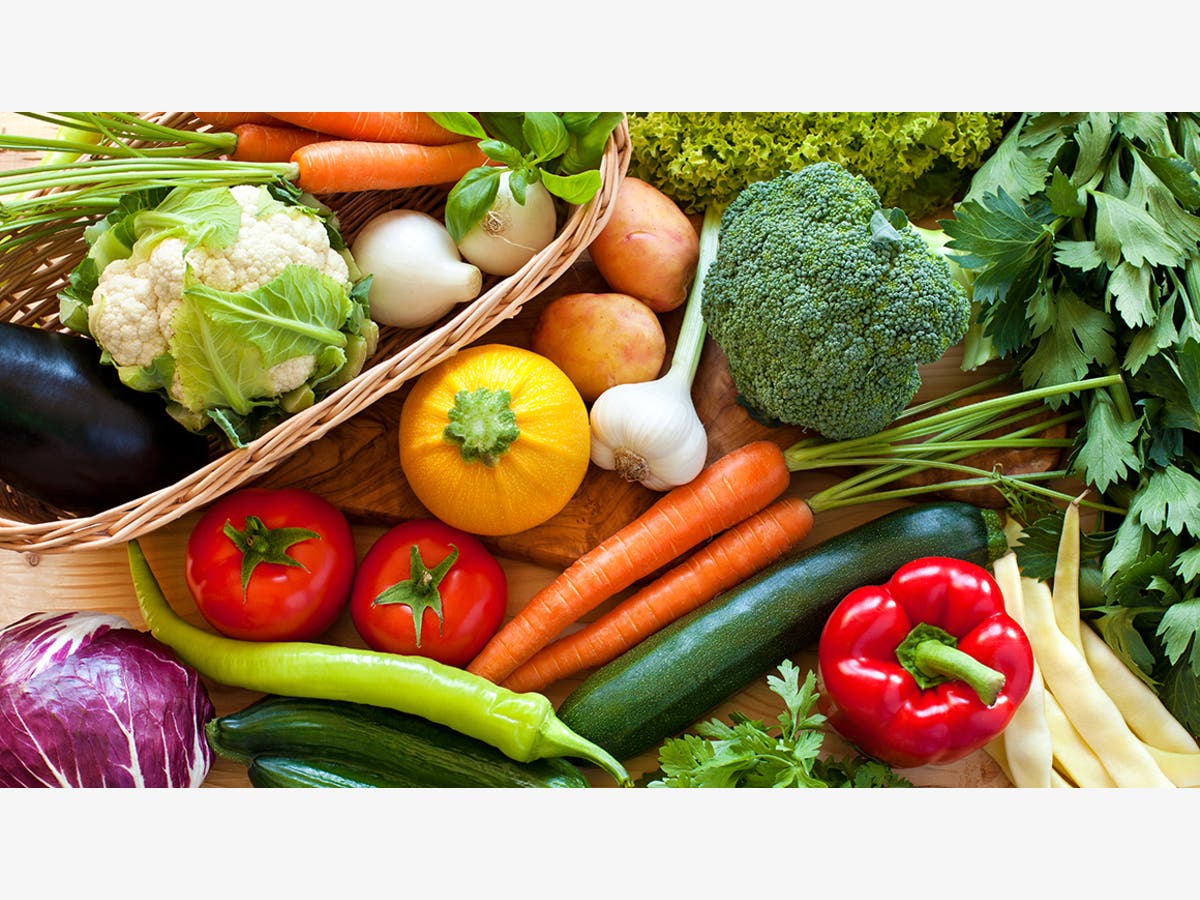
Some people love to slice, dice and chop their way toward a diet rich in vegetables. Others aren’t as quick to stock the fridge with all that green, red and yellow stuff. Doing so, however, could be a great way to improve your health, because the health benefits of vegetables are worth noting.
Eating more vegetables as part of an overall healthy diet may lower your risk of heart disease, stroke, obesity and type 2 diabetes, according to the U.S. Department of Agriculture (USDA). Getting plenty of vegetables in your diet may also help protect against certain types of cancers, lower blood pressure, reduce the risk of developing kidney stones and decrease bone loss, the USDA says.
How many veggies do you need for a healthy diet? The American Heart Association (AHA) recommends five servings of vegetables per day.
Find out what's happening in San Franciscofor free with the latest updates from Patch.
If that seems like a lot, keep in mind a serving may be smaller than you think. AHA offers some examples:
- Half of a large bell pepper
- A half-cup of fresh, frozen or canned vegetables
- One cup of raw, leafy vegetables such as lettuce and spinach
- Five to eight broccoli or cauliflower florets
- Half of a medium potato
- One whole medium carrot
- A half-cup of vegetable juice
You can also help satisfy that daily veggie requirement by taking advantage of these six tips:
Find out what's happening in San Franciscofor free with the latest updates from Patch.
Go for green smoothies.
Blend kale or spinach with bananas, apple, berries, kiwi and yogurt. For an all-veggie treat, mix vegetable juice and plain yogurt, carrots, cucumbers, frozen broccoli or other vegetables.
Try tofu.
Protein-packed tofu, made from soybeans, takes on flavors of accompanying ingredients. Try adding it to main courses, stir-fry, side dishes and salads. You can even add tofu to smoothies with berries, juice and frozen fruit or vegetables.
More of this, less of that.
Increase the amount of vegetables in soups and other recipes while decreasing meats high in saturated fat and sodium, and refined grains such as white rice.
Veg out your eggs.
Fold mushrooms, tomatoes, bell peppers, olives, asparagus, potatoes or other veggies into an omelet or sprinkle in scrambled eggs or a breakfast burrito.
Toss around salad ideas.
Top black bean and corn salad with a little salsa. Add water chestnuts and onion to chicken salad. Serve dinner atop a plate spread with shredded cabbage.
Perk up pasta.
Add veggie nutrients to linguine and other pastas with mushrooms, onions, peppers, olives, tomatoes, spinach, asparagus or broccoli.
Dr. Eva Balint is the Senior Medical Director of UnitedHealthcare in Southern California