Neighbor News
A Professional Outlook on Ocean Shipping
In 2018 and 2019, much has shaped the way the shipping and ocean freight industry has strategized their logistics and goals.
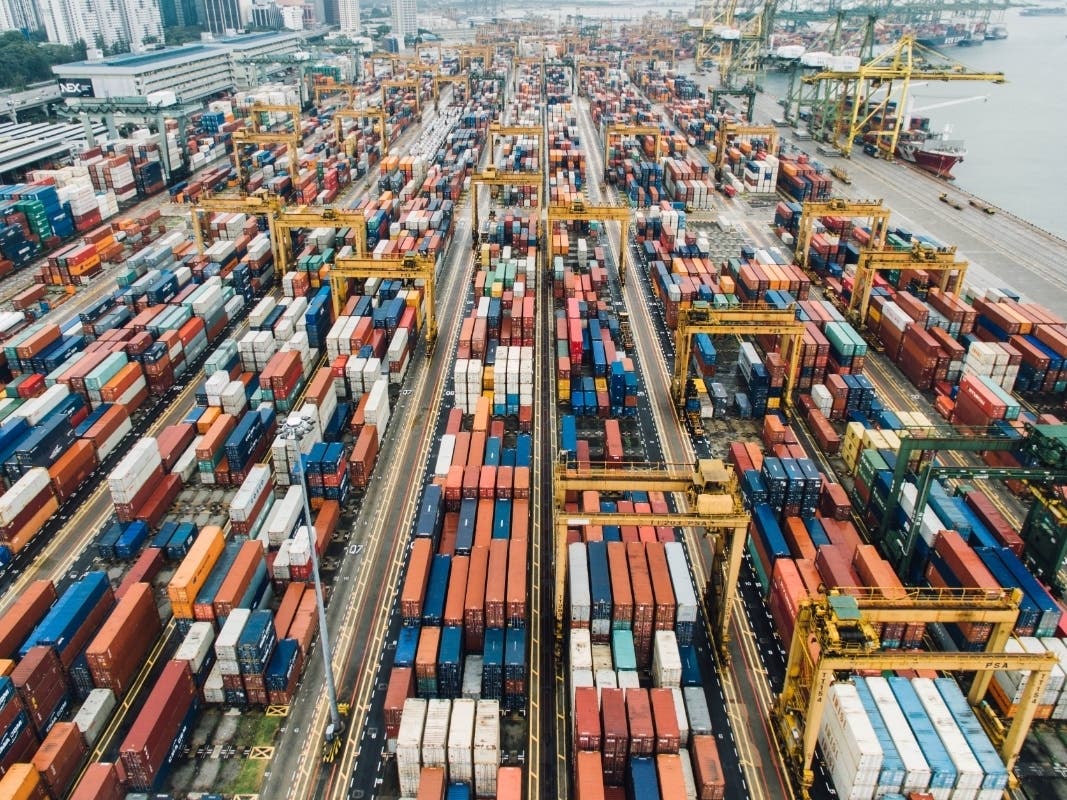
In any industry, global and national economic policies and trends help to predict the future of how each will operate going forward. In 2018 and nearly the first half of 2019, much has shaped the way the shipping and ocean freight industry has strategized their logistics and goals. Many are asking: What’s in store for the freight shipping industry for the remainder of 2019?
Based on years of industry expertise and research, AGWorld Transportation offers some predictions and insights that are likely to impact the shipping industry for the remainder of the year:
1. The Shift from China to Southeast Asia Will Accelerate
Find out what's happening in San Franciscofor free with the latest updates from Patch.
China is shifting its focus from being a country that manufactures goods to that of a consumer country. In the third quarter of 2018, the country’s annual GDP growth fell from the 6.5 percent year-over-year rate and, while it remains a substantial rate given the size of the economy, it’s also a good indication of a slowdown. Years ago, the push that moved China to move its production of labor-intensive production is expected to continue into 2019. Labor-intensive products like textiles, furniture and footwear are likely to be among the first industries to leave China.
However, China will prevent the shift by moving factories further inland as Western China continues to provide cheap labor compared to China’s coastal cities. Consequently, operating from further inland means more expensive freight rates and longer transits; barges must be used along with other means of transportation to connect coastal cities for vessel departures.
Find out what's happening in San Franciscofor free with the latest updates from Patch.
Vietnam, Indonesia and Thailand may benefit the most from this anticipated shift due to stable infrastructures and deep sea ports that can now accept larger vessels. In fact, many Chinese companies are already positioning themselves in these countries, setting up factories, due to this production shift. On the other hand, Bangladesh, Myanmar and Cambodia face a myriad of issues like political instability which may hinder investments in their countries. While India remains a large-scale exporter, infrastructure and reliability remain issues within the country. China will continue to dominate production and provide factories for consumer products in demand across the globe, but keep in mind it’s not sustainable forever. Value-added production will become a focus rather than labor-intensive commodity production. With the ongoing trade war between the United States and China, importers now realize they must have an alternative plan, similar to the realizations that occurred after the Los Angeles port crises where many companies assessed their supply chains and added alternative US entry ports.
2. NVO Shares Grow in Transpacific Trade
BCOs (beneficial cargo owners) determined that cheap rates don’t necessarily equate to more success since the first sign of strength in a foreign market means their cargo is the first to be ignored. Carriers analyze profit maximization per vessel and that trend will continue. Of course, they’ll want to take advantage of strong markets to increase their revenues. For instance, the NVO share of the transpacific market grew by 1.7 percent in 2018. Mid-sized BCOs continue to move towards NVOCCs and divide some of their volume to access better service and protection.
In addition, it’s become more difficult for BCOs to manage daily operations due to alliances between steamship lines. For instance, in new vessel-sharing agreements, many vessels arrive at different ports and equipment issues occur with other daily problems confirming that it takes longer to manage the everyday activities for the BCOs.
3. Trade War Continues to Affect Rate Levels
The trade war has disrupted the shipping and freight transportation in many ways. In June of 2018, many carriers cancelled their services due to the anticipated slow peak. But once the United States started unexpectedly executed tariffs, importers accelerated their shipments and shipped to stock to protect against higher tariffs. This added a lot of pressure to the rates which increased to their highest levels in nearly 8 years and showed how unpredictable the rates market was, making it impossible to forecast freight rate levels because many different factors dictated the ultimate rate levels.
For supply and demand, 2018 saw a 7 percent reduction in capacity as three vessel springs on the West Coast were cancelled. Then came a further 1.3 percent capacity reduction on the East Coast to a vessel spring cancellation. Drewery reports that a dark global economic outlook and the rise in tense commercial trade relations indicates a reduction in container demand transportation in the next five years. Previous outlook for index of supply and demand was predicted to gradually increase until 2022 when the container industry was expected to reach an equilibrium. However, new forecasts now suggest that the industry must continue to confront the current oversupply situation for several years. According to research from HSBC, active capacity growth will be lower than demand growth during 2019-2020.
Simon Heaney, a senior contract research manager at Drewery says, “The anticipated rebalancing of the container market seems to have been postponed, which is more bad news for carriers that face substantial increases in costs as a result of the stricter 2020 fuel standards.”
4. Technology and Blockchain Become more Prominent
New technologies including blockchain will be adopted more readily in 2019. Already, we’ve seen blockchain used in letters of credit and in other transactional areas. The widened embrace of technology will continue to impact the shipping industry as new startups like OpenSea.Pro and other developments shakeup the industry.
5. Bigger Demand to Meet Customer Needs
AGWorld Transportation is particularly proud of the customer service we provide. In 2019, the need to meet customer demands will remain a promising focus for the shipping industry. Some carriers are focusing on offering premium services, like guaranteed loadings, faster unloading and guaranteed transit times. To meet consumer demands, streamlined operations and service attempts by ocean and freight carriers like AGworld Transportation will continue to extend their services in 2019.
Overall, the remainder of 2019 will prove to be an interesting year for the shipping industry. It will be a turning point for supply and demand balance which has been a sore point for the industry for many years. As the year continues, we will keep an eye on the trade conflicts, consolidation and fuel costs among others. With the right players, even a bumpy ride can be strategically tamed.