Business & Tech
Relief Coming to the Pump? State May Lower Gasoline Excise Tax by 7.5 Cents
The California State Board of Equalization will consider lowering the tax rate by 21 percent at their upcoming meeting.


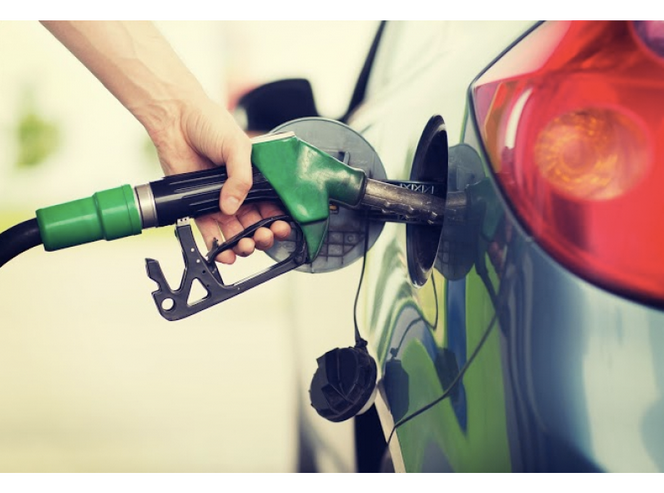
The following was submitted for publication on behalf of the The California State Board of Equalization:
The California State Board of Equalization (BOE) will consider lowering the excise tax rate for gasoline by $0.075 for Fiscal Year (FY) 2015-16 during its Feb. 24 meeting in Culver City.
Since 2010, the “fuel tax swap” law has required the Board to adjust this tax rate by March 1 of each year. If adopted, between July 1, 2015 and June 30, 2016, the excise tax rate on gasoline will be $0.285 per gallon. The current excise tax rate of $0.36 is in effect until June 30, 2015.
Find out what's happening in San Leandrofor free with the latest updates from Patch.
The excise tax on gasoline pays for public road improvements and mass transit. In FY 13-14, the BOE collected nearly $5.8 billion for the Motor Vehicle Fuel Account, Transportation Tax Fund. Sales tax funds a variety of state and local programs.
BOE’s Mandated Role
Find out what's happening in San Leandrofor free with the latest updates from Patch.
The BOE is required by law to adjust the excise tax rate each year.
Gasoline Tax Structure Change in 2010
Drivers pay two types of state taxes on gasoline -- sales tax and a per gallon excise tax. Before the “fuel tax swap” took effect in 2010, drivers paid the full sales tax rate (then 8.25 percent), and an excise tax of $0.18 per gallon.
The “fuel tax swap” lowers the sales tax rate to 2.25 percent on gasoline and requires the BOE to set the per gallon excise tax rate, so drivers pay the same amount of state taxes on gasoline as they would have paid under the prior tax structure.
How the Rate is Calculated
The projected average gas price during FY 15-16 is $2.66 a gallon, which includes the federal excise tax of $0.184 but not state gasoline taxes. The number of gallons sold is expected to remain steady during FY 15-16.
In addition to projecting sales tax revenue that would have been generated under the old tax structure, the law also requires the BOE to review the actual excise tax revenue generated in the prior fiscal year and subtract that from projected revenue for the coming fiscal year. This calculation determines the coming fiscal year’s rate.
Watch this video explanation to see how it works, and visit our media resources pagefor more information.
(Image via Shutterstock)
Also on Patch:
- Mystery Goo That Covered East Bay Seabirds Partially Identified, But Still A Mystery
- College Officials Say Body Found on Hayward Campus Not that of Student, Staff or Faculty
- Alameda Fire Crews Knock Down Fire in Townhouse Garage
- Pit Bull Named Piglet Found on I-880 in Oakland Reunited With Owners
- Police Nab 3 Suspected of Using Fraudulent Credit Cards, Stolen IDs at Pleasanton Hotel
- Valentine’s Day in Pleasanton: High Schoolers Profess Love (Anonymously) via Facebook
- Group Calls on Chevron to Stop Spending Money on Politics
- Recent School Parking Lot Burglaries Prompts Pleasanton Police to Remind Community to ‘Hide It, Lock It or Lose It’
- CHP Looking for Information About Crash That Killed Tri-Valley Teen
Get more local news delivered straight to your inbox. Sign up for free Patch newsletters and alerts.