Tustin, CA|Local Classified|Other|

Depression After Service: What Orange County Veterans Should Know | Friendly Recovery
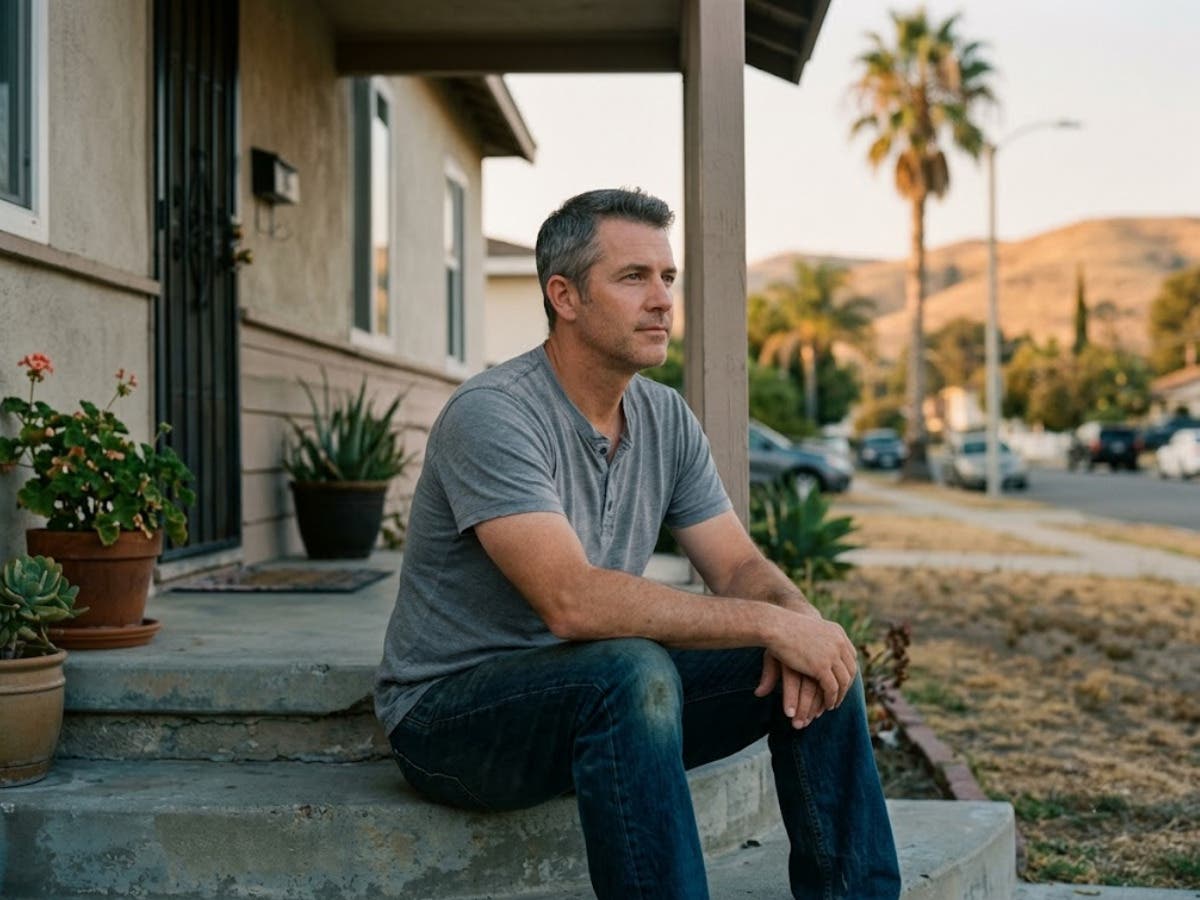
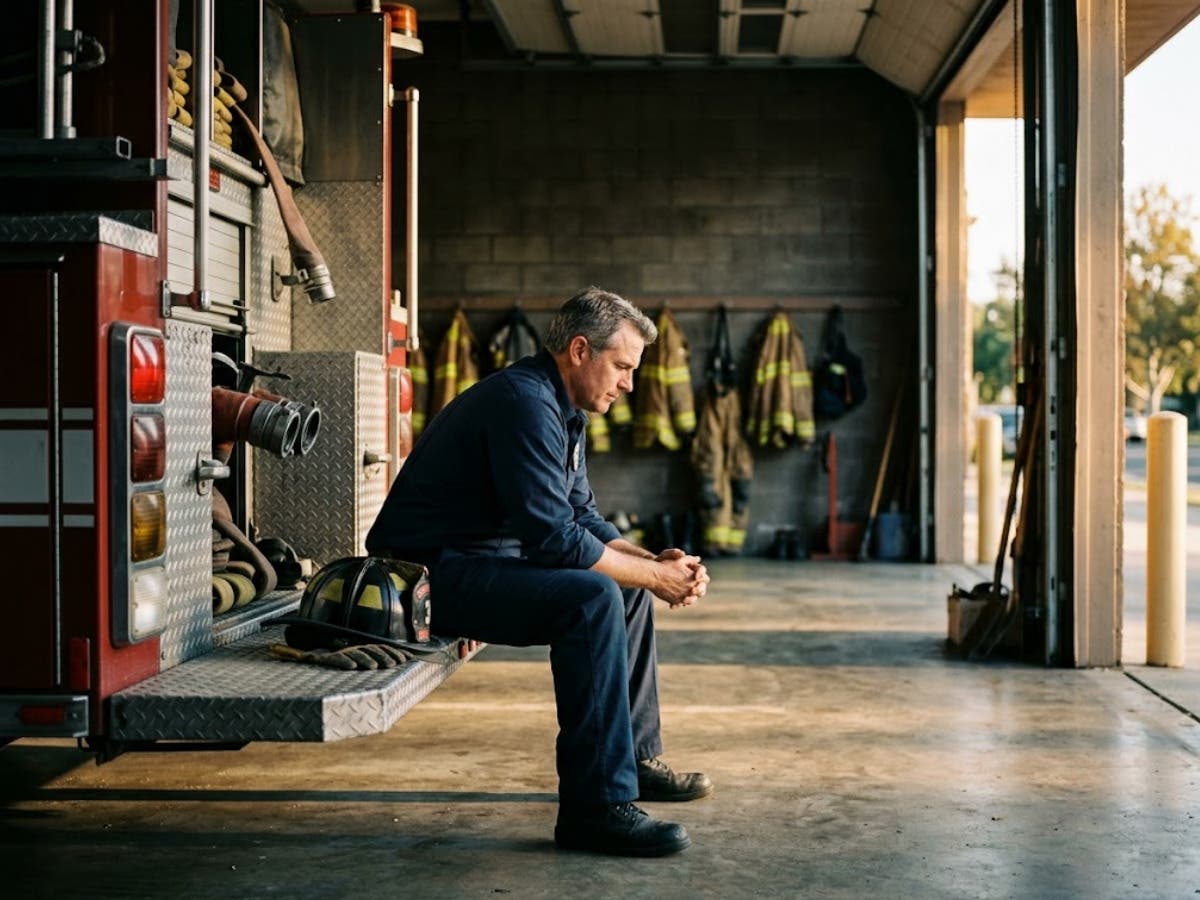
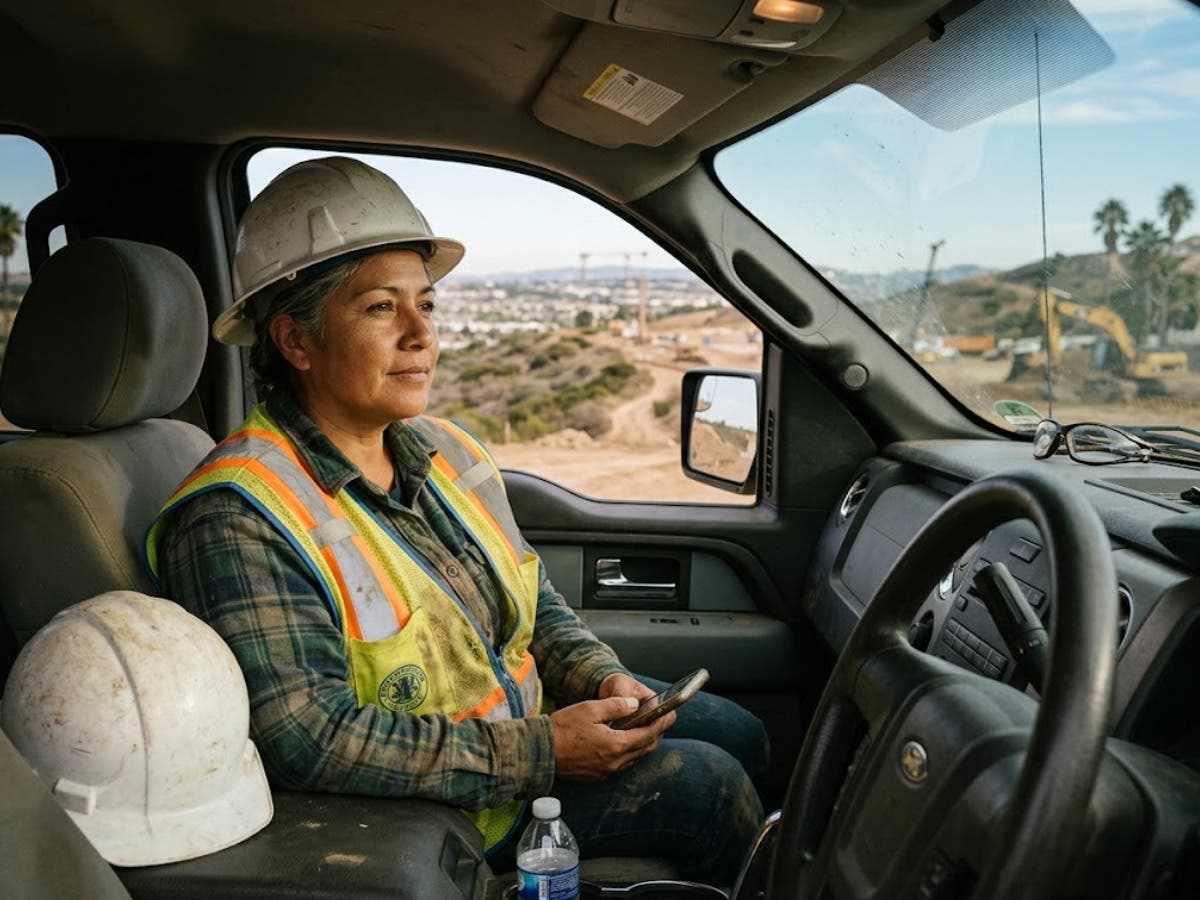
For many people who served, the difficult stretch begins after the uniform comes off. Orange County is home to a sizable veteran population — across Santa Ana, Anaheim, Irvine, Huntington Beach, Mission Viejo and along the coast — and among them runs a common experience that mostly goes unspoken: from a distance, life looks orderly. Up close, it feels muted.
That muted feeling has a name, and it is a treatable health condition.
It rarely looks like sadness
Depression after military service often shows up as something other than visible grief. Family members are usually the first to notice:
- A temper that runs hotter or arrives faster than it used to
- Sleep that breaks apart, or tiredness that rest doesn't repair
- Losing interest in people and activities that once mattered
- Going quiet — canceling plans, keeping distance
- Trouble concentrating; whole days spent on autopilot
- Drinking more in the evenings to settle down
When several of these hold steady for two weeks or longer, they're worth taking seriously. The National Institute of Mental Health describes depression as one of the most common — and most treatable — mental health conditions among adults.
Why the transition itself carries weight
Separating from the military means more than changing jobs. It can mean losing a clear purpose, a built-in daily structure, and a group of people who understood you without explanation. Clinicians also point to moral injury — the lasting weight of having done, witnessed, or been unable to prevent something that conflicted with your own values — as distinct from PTSD and closely tied to depression. Add chronic pain, a service-connected injury, or a long benefits process, and the load compounds. None of that reflects a flaw in character.
What local care can look like
Treatment generally doesn't require stepping away from work or family. Outpatient options range from a light weekly commitment to more structured programs, and secure video sessions make care reachable from home on the days when driving isn't realistic. Approaches with solid evidence behind them include cognitive behavioral therapy, behavioral activation, and trauma-focused work such as EMDR when post-traumatic stress is also in the picture. Community providers can work alongside VA care or independently, and treatment is confidential under HIPAA.
Taking a first step
Friendly Recovery Center is an outpatient mental health provider based in Tustin, serving veterans throughout Orange County in person and across California by telehealth. A first conversation is exactly that — a discussion of what's been going on, how scheduling works, and what your coverage includes. The team can be reached at (949) 997-1956 to answer questions or check insurance benefits confidentially.
No one has to be in crisis to deserve support. Wherever you land on that scale, a phone call is a reasonable place to begin.
Read the original post here: https://friendlyrecovery.com/depression-treatment-for-veterans-orange-county-ca/
To learn more about outpatient mental health programs in Orange County, visit https://friendlyrecovery.com/