Tustin, CA|Local Classified|Other|

How San Diego County Union Workers Can Get Confidential Help | Friendly Recovery
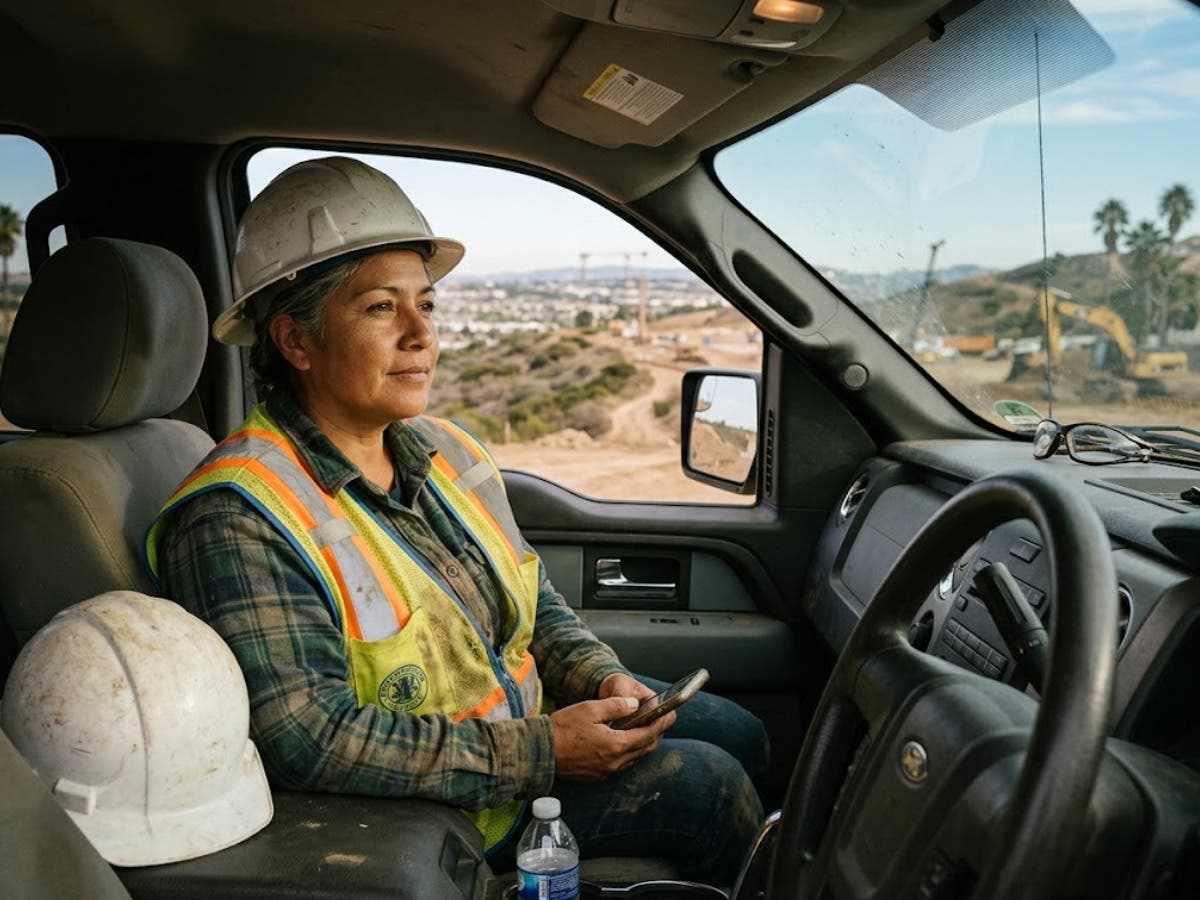
Across San Diego County, union tradespeople are on job sites from the downtown high-rises to the shipyards, from South Bay housing tracts to work out in El Cajon and Escondido. It's demanding, skilled work. It's also work that can quietly take a toll on mental health — and that toll often goes unnamed.
Depression in the building trades rarely looks the way people expect. Many workers don't describe sadness. They describe feeling flat. The craft they once took pride in starts to feel like clocking hours. Conversations with the crew feel like effort. And a tiredness settles in that a full weekend of rest doesn't touch. Because it doesn't match the stereotype, it gets written off as being run-down or burned out.
Other signs worth knowing: losing interest in things that used to matter, a shorter temper, pulling back from friends and family, trouble focusing on tasks that used to be automatic, changes in appetite, or leaning on alcohol to feel better — or to feel less. A rough couple of weeks is ordinary life. Several of these running together for longer than that is worth a closer look.
Several conditions common to trade work can contribute. Long commutes and time away from home erode everyday contact with people, and isolation is closely tied to low mood. Physical wear and chronic pain are linked to depression, and an injury can take away routine, income, and daily contact with a crew all at once. Work that surges and stalls means income that surges and stalls, which is its own long-term stressor in a region as expensive as San Diego. And a culture that prizes toughness can make saying "I feel empty" seem like breaking rank. The CDC's National Institute for Occupational Safety and Health has identified construction as a field with elevated suicide risk — driven not by the people in it, but by that particular combination of pain, instability, isolation, and silence.
Geography is its own barrier here. San Diego County is roughly the size of a small state, and adding a long clinic drive to the end of a physical shift stops a lot of people before they start. That's one reason telehealth has become a practical option: secure video sessions can be attended from home, a truck, or a break trailer, scheduled around dispatch.
Privacy is a common concern, and the answer is straightforward. Mental health care is protected under HIPAA. Treatment isn't shared with an employer, foreman, local, or crew without written consent.
Cost is another. Outpatient mental health care is included under many PPO plans, and behavioral health benefits are often built into the Taft-Hartley trust and health-and-welfare funds behind San Diego County's locals. Specifics vary plan to plan, so verifying benefits before starting is the practical first step.
Friendly Recovery Center is a licensed outpatient provider serving union members throughout San Diego County by secure telehealth. A first conversation is confidential, carries no obligation, and covers what's been going on, how scheduling works, and what a plan or union trust covers. Readers who want to talk it through can reach the team at (949) 997-1956.
Depression responds to treatment, and no one has to wait for a crisis to be worth helping.
Read the original post here: https://friendlyrecovery.com/depression-treatment-for-union-workers-san-diego-county-ca/
To learn more about outpatient and telehealth mental health programs across Southern California, visit https://friendlyrecovery.com/