Tustin, CA|Local Classified|Other|

Depression in the Fire Service: What Orange County Firefighters Should Know | Friendly Recovery
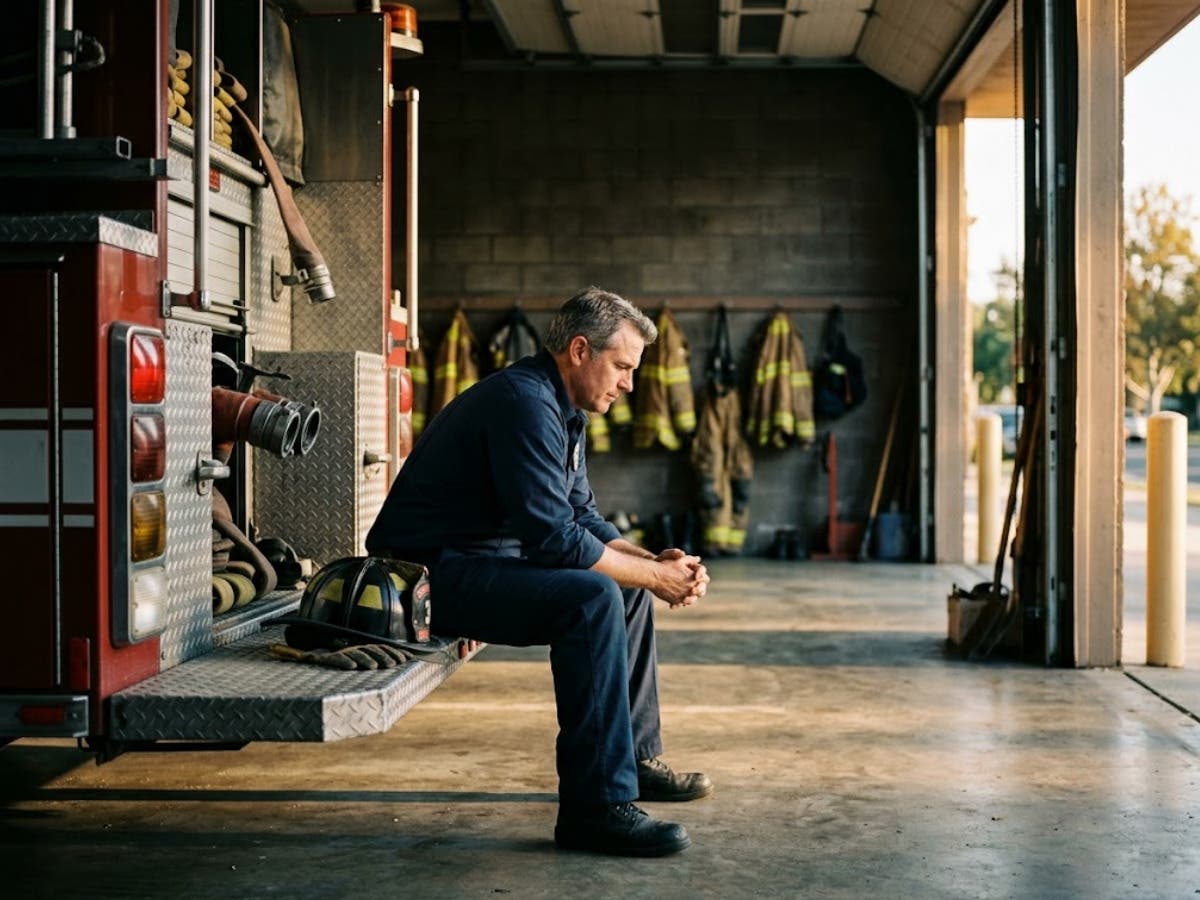
Fire departments across Orange County spend enormous effort on physical safety — turnout gear, air management, cancer screening, fitness standards. Mental health has been slower to get the same treatment, even though depression is one of the more common occupational health issuesin the fire service and one of the most treatable.
Part of the difficulty is recognition. Depression in firefighters often doesn't resemble the version most people picture. Instead of visible sadness, it tends to look like flatness — doing the work competently while feeling very little underneath it. Common signs include exhaustion that a full set of days off doesn't resolve, a shorter fuse at the station and at home, withdrawing from the crew or from family, losing interest in things that used to matter off-shift, disrupted sleep even on nights away from the firehouse, and drinking more than usual to come down after a rotation. When those patterns hold for two weeks or longer and follow someone into their home life, they're worth taking seriously as a health condition rather than a character issue.
Several features of the job raise the risk. Most people encounter a handful of critical incidents across a lifetime; firefighters respond to them as a matter of routine, and that exposure accumulates over a career. Twenty-four and forty-eight-hour shifts fracture sleep in ways that don't fully repair, and disrupted sleep both signals and worsens depression. The sustained readiness the work requires doesn't switch off cleanly, and years of low-level activation wear on the nervous system. For many firefighters, the job is also tightly bound to identity, which raises the stakes on admitting something is wrong — particularly around injury, light duty, or approaching retirement.
The largest factor is cultural. The fire service runs on not being the weak link, and for a long time the unwritten rule was to absorb it and keep going. Federal occupational health researchers have identified first responders as a group facing elevated mental health risk, and that silence is a significant reason why. It has been shifting, station by station, as more firefighters name what they're carrying and departments treat behavioral health as the safety issue it is.
Treatment works, and it doesn't require stepping away from the job. Outpatient care runs at several intensities — standard outpatient, intensive outpatient, and partial hospitalization — so scheduling can be built around a shift rotation, with telehealth available when another drive on a limited day off isn't realistic. Approaches with strong evidence behind them include cognitive behavioral therapy, behavioral activation, and trauma-focused work such as EMDR when post-traumatic stress is part of the picture, which it frequently is. Care is protected under HIPAA and is not shared with a department, captain, or crew without written consent. Many PPO plans and department- or union-sponsored coverage include outpatient behavioral health, though specifics vary by plan.
Friendly Recovery Center, an outpatient mental health provider based in Tustin, offers confidential depression and trauma care for first responders across Orange County, in person and through statewide telehealth. Firefighters and family members who want to understand their options — including a confidential benefits check before committing to anything — can contact the center to talk it through.
Read the original post here: https://friendlyrecovery.com/depression-treatment-for-firefighters-orange-county-ca/
To learn more about outpatient mental health programs and services available across Orange County, visit https://friendlyrecovery.com/