Health & Fitness
Open space: what’s it worth to you?
Do you ever wonder what would have happened if the Canton Land Conservation Trust HADN'T preserved 2,000 acres? On the Land Trust's 40th Anniversary, it's worth is worth contemplating.
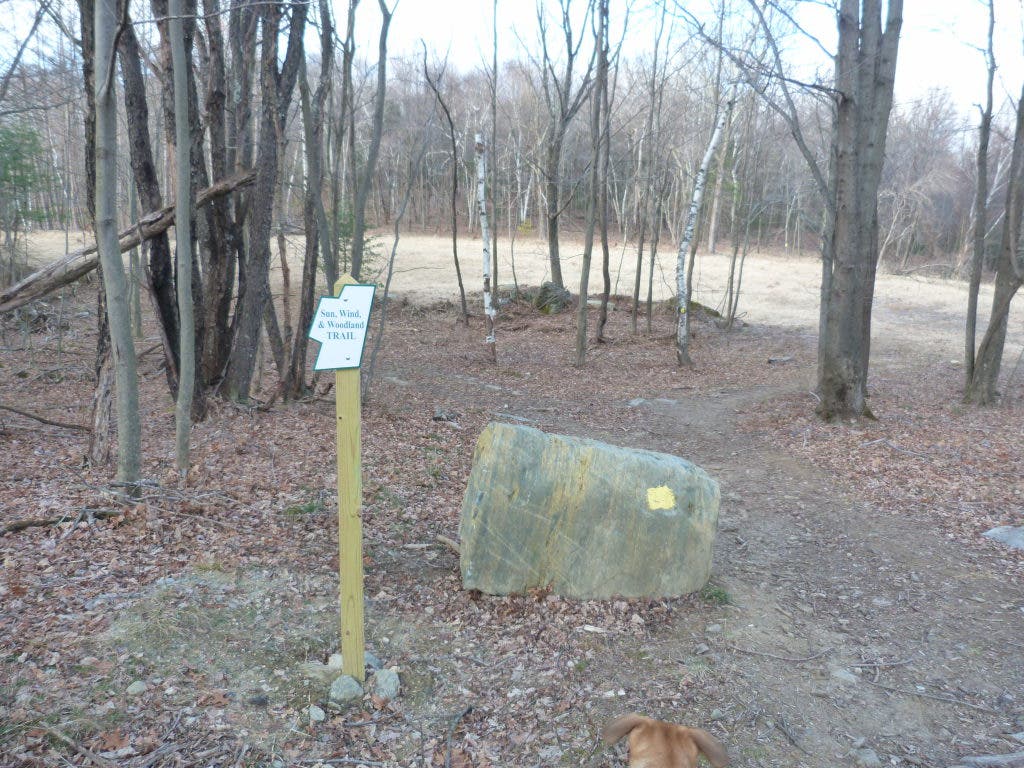

The Canton Land Conservation Trust has been busy for 40 years, preserving 2,000 acres of land in their natural state. Obviously these lands are lovely, fun for hiking and snowshoeing, and environmentally important. But did you ever think about what they mean to your wallet?
Calculating the precise economic value of preserved natural land isn’t possible; there are too many variables and what-ifs. And money isn’t the point of preserving land anyway, so why even try?
Find out what's happening in Cantonfor free with the latest updates from Patch.
And who could disagree with Land Trust Director Betty Stanley’s assessment of its value: “It’s priceless.”
But, this is the real world and money matters. There are many laudable things Canton residents would love to do for their town but can’t because they aren’t economically feasible. So let’s just take a stab at it. We may not be able to pin an exact price on the economic worth of the Land Trust’s parcels, but there are some established generalities:
Find out what's happening in Cantonfor free with the latest updates from Patch.
- Residential development rarely pays for itself.
- Preserved lands enhance nearby property values, helping offset the lack of taxes levied on open space.
- Undeveloped land requires almost nothing in the form of town services.
- Fiscal impact studies have put a monetary value on the environmental services that particular preserved parcels have provided, including filtering water, preventing flooding and erosion, abating air pollution and more.
- Preserving land benefits a community’s economy by boosting its overall quality of life and desirability, and at minimum is a break-even proposition.
It’s hard to pinpoint exactly how much of the Trust’s property could be subdivided, but let’s hypothetically say that half of the acreage is too wet or steep to develop, and that the other half is developed with 500 houses. The average Canton household’s tax bill is about $6,000, but the average burden on the town per household is around $8,000.
Open space has been shown to increase nearby property values by as much as 20 percent. Frederick Law Olmsted demonstrated this over 100 years ago, when he showed that the $13 million investment in creating Central Park resulted in a $18.4 million increase in adjacent property values.
Canton residents say over and again how important the town’s natural beauty is to them. It is priceless. But it’s reassuring to know that preserving open space also makes financial sense.
Save the date for the Land Trust’s day and evening 40th Anniversary celebrations: Sept. 29th. Details to come!