Community Corner
Metro GM Proposes to Eliminate 1,000 Positions, Slash Benefits
WMATA is trying to get a handle on safety problems while dealing with a severe budget shortfall.


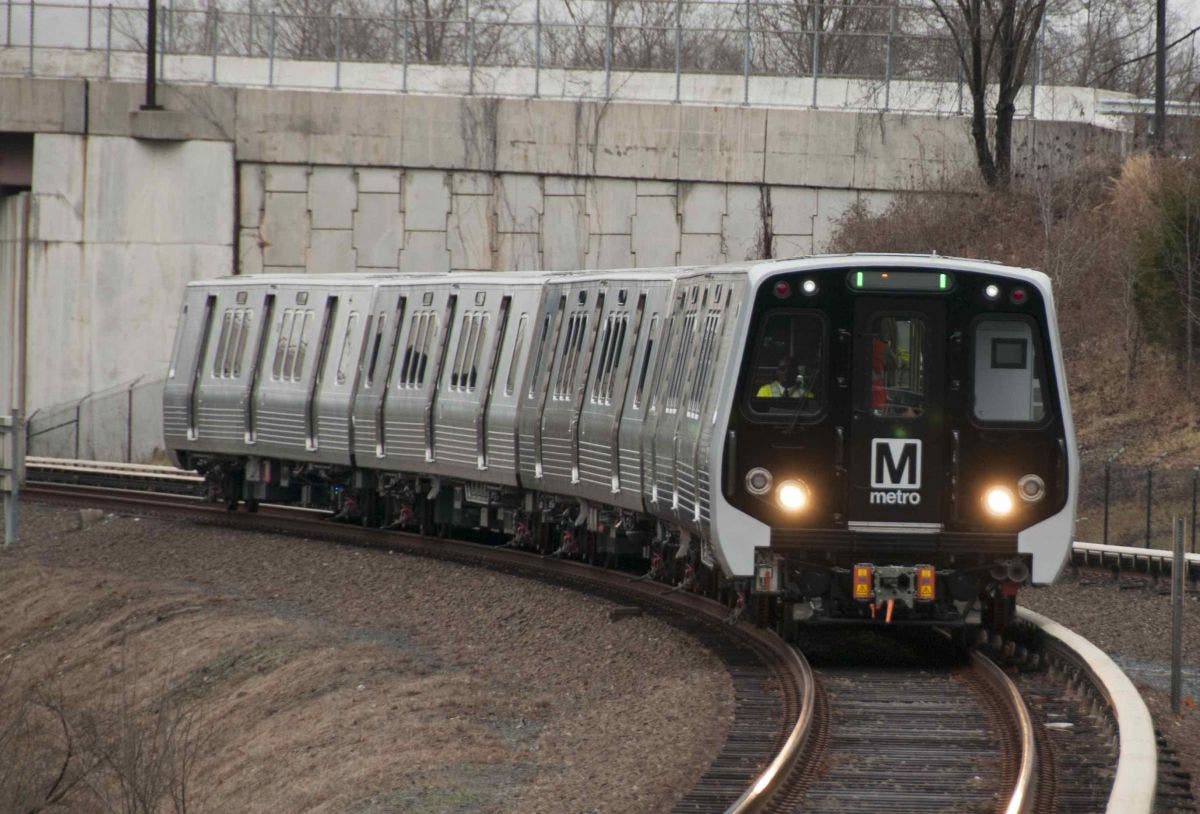
WASHINGTON, DC — In what is sure to be a controversial move, Metro General Manager Paul Wiedefeld is proposing a "reality check" budget plan for fiscal 2018 that would involve downsizing the Metro workforce by 1,000 positions, as well as cut "certain employee health care expenses," according to a statement from the transit agency.
Metro officials will present this "austere" recommendation to the Board's Finance Committee meeting on Thursday. The $1.8 billion operating budget would "fully fund key safety improvements, improve track and train reliability, sharply cut management and labor costs, outsource functions where possible, improve maintenance personnel productivity, and scale train and bus services to match existing ridership demand," the statement reads.
“Metro has to face reality when it comes to what the region says it can afford and direct those resources to best serve the riders we have today,” Weidefeld said in the statement. “This plan has Metro doing everything in our power to get major expense categories under control while improving safety and making the trains run on time.”
Find out what's happening in Washington DCfor free with the latest updates from Patch.
The Metro forecast would involve a 20 percent reduction in ridership since 2009, and a reduction in rail service, so trains would be less frequent during both peak and off-peak travel times. The aim is to make the service more reliable and safe in the meantime.
The plan would also eliminate about a dozen low-ridership bus routes.
Find out what's happening in Washington DCfor free with the latest updates from Patch.
Starting July 1, 2017, Metro riders can expect the following changes:
- During peak periods, trains would operate every 2-4 minutes at stations served by multiple lines in the system’s core.
- Trains would run every 8 minutes in peak periods instead of every 6 minutes today.
Service would become more frequent for Blue Line riders, where trains are now scheduled every 12 minutes. - Rush+ trains would be eliminated.
- During most off-peak periods (e.g. midday, early evening, and weekends) trains would run every 15 minutes on each line.
“The most difficult part of this plan is the impact for Metro customers and employees,” said Wiedefeld. “Tough choices are required to balance the operating budget.”
Image via WMATA
Get more local news delivered straight to your inbox. Sign up for free Patch newsletters and alerts.