Traffic & Transit
Outside Consultants To Advise Metro Board As Railcar Derailment Investigation Continues
WMATA's Board of Directors announced Wednesday that it was hiring outside consultants to analyze Metro's safety and suggest changes.


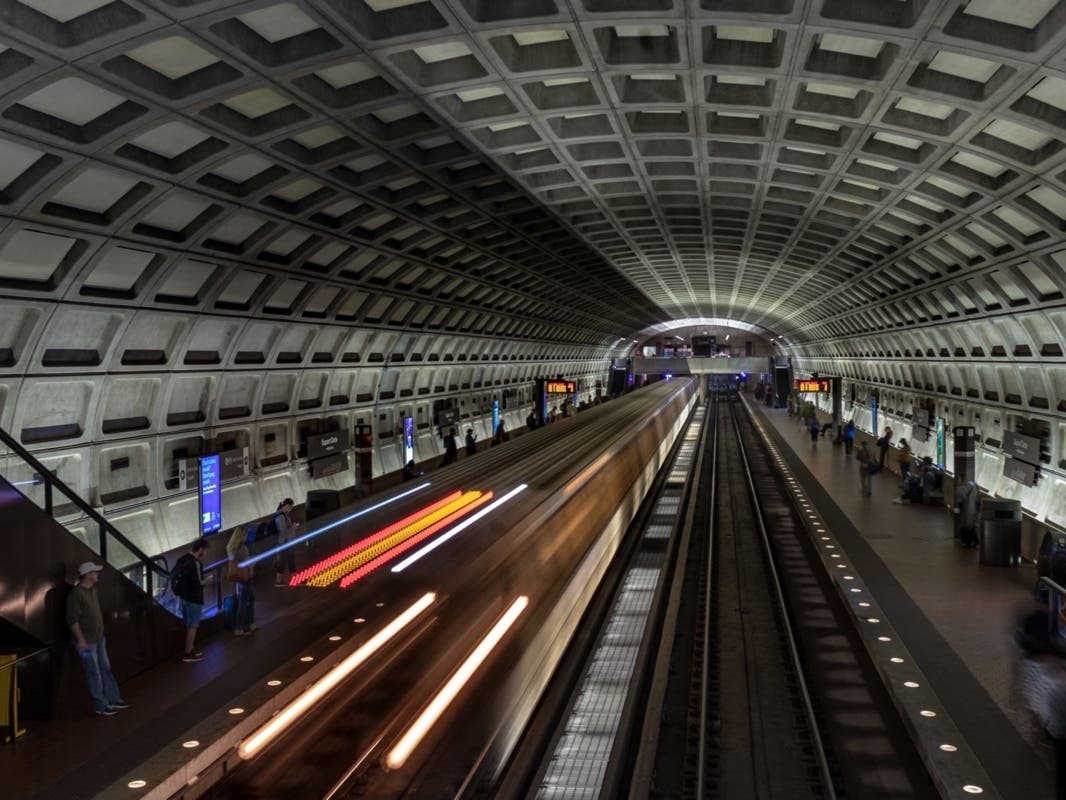
WASHINGTON, DC — Washington Metropolitan Area Transit Authority Board of Directors said Wednesday it would be hiring outside consultants who would serve as safety advisors to the board.
"These independent advisors will provide the Board with expert opinions, analysis, and recommendations on a full range of issues concerning the safety, operations and organizational accountability of Metro," WMATA Board Chair Paul C. Smedberg said, in a statement released Wednesday afternoon. "Areas of focus will include, but are not limited to: safety reporting, communications, inspections, roles and responsibilities, regulatory requirements, hazard identification, employee training, safety performance indicators/targets and procurement. This action is consistent with the Board’s safety oversight role to ensure WMATA develops, implements, and constantly improves processes to ensure the highest levels of safety for our customers and employees."
The board's action comes just over a week after the derailment of a Metrorail train on the Blue Line in Virginia exposed ongoing safety issues with the system's 7000 series railcars extending back to 2017.
Find out what's happening in Washington DCfor free with the latest updates from Patch.
Related: Blue Line Train Had Derailed Twice Before On The Same Day: NTSB
At 4:51 p.m. on Oct. 12, Train 407, which consisted of eight 7000 series cars, derailed between the Rosslyn and Arlington Cemetery stations. The train was heading southbound on track two toward the Huntington Station with 187 passengers on board. After the derailment, one passenger was taken to a nearby hospital to be treated for non-life-threatening injuries.
Find out what's happening in Washington DCfor free with the latest updates from Patch.
"Metro is working to reach out to customers that were on board the train that derailed last week and are providing a $21 SmarTrip credit," a Metro spokesperson told WJLA7 reporter Tom Roussey on Wednesday. "While it does not make up for their experience, we wanted to offer an apology along with this small gesture.
Based on preliminary information from the National Transportation and Safety Board's (NTSB) investigation, the Washington Metrorail Safety Commission issued an order on Sunday for WMATA to pull all 7000 series railcars — 748 in total — out of service, so that they could be inspected.
NTSB Chairwoman Jennifer Homendy revealed on Monday that the Train 407 had derailed two previous times on the same day before it derailed in Virginia.
The NTSB also learned that WMATA was aware of a problem with the wheel axle assembly of the 7000 series railcars going out of alignment before last week's derailment. In fact, the transit authority had not reported any of the 52 failures by 7000 series railcars due to alignment issues that had occurred since 2017.
Related: 60% Of Metro's Fleet Removed From Service Over Safety Concerns
By 5 a.m. on Monday, all 7000 series trains, which accounted for nearly 60 percent of WMATA's fleet, had been sidelined over safety concerns. This forced WMATA to implement reduced service on all of its rail lines.
Now that railcars are only departing every 30 minutes, customers have been encountering delays and crowded trains. In addition, Silver Line trains have only been running between the Wiehle-Reston East and Federal Center SW stations. Metro recommends that customers affected by these changes use its Metrobus service instead. WMATA expects the reduced service to continue at least until Sunday.
Metro CEO and General Manager Paul J. Wiedefeld told Metro employees in a letter on Wednesday that it was going to take time to inspect all of the 7000 railcars to ensure they can be safely returned to service.
"That means we identify any wheels out of alignment, isolate the cars securely, and have a data-driven plan for more frequent inspections of the fleet, and ultimately, identify the root cause," he said.
Message to Metro employees put out by GM Paul Wiedefeld this morning.
Does not give a timeline for how long it will take to make sure the 7000 series trains are safe enough to carry riders again, but says employees from Kawasaki are helping. Kawasaki built the 7000 series. #wmata pic.twitter.com/tCOPMdBFVD
— Tom Roussey (@tomroussey7news) October 20, 2021
Get more local news delivered straight to your inbox. Sign up for free Patch newsletters and alerts.