Weather
Death Toll Climbs To 4 As FL Officials Assess Impacts From Isaias
Follow us here for live updates as follow Hurricane Isaias and its impacts across Florida.


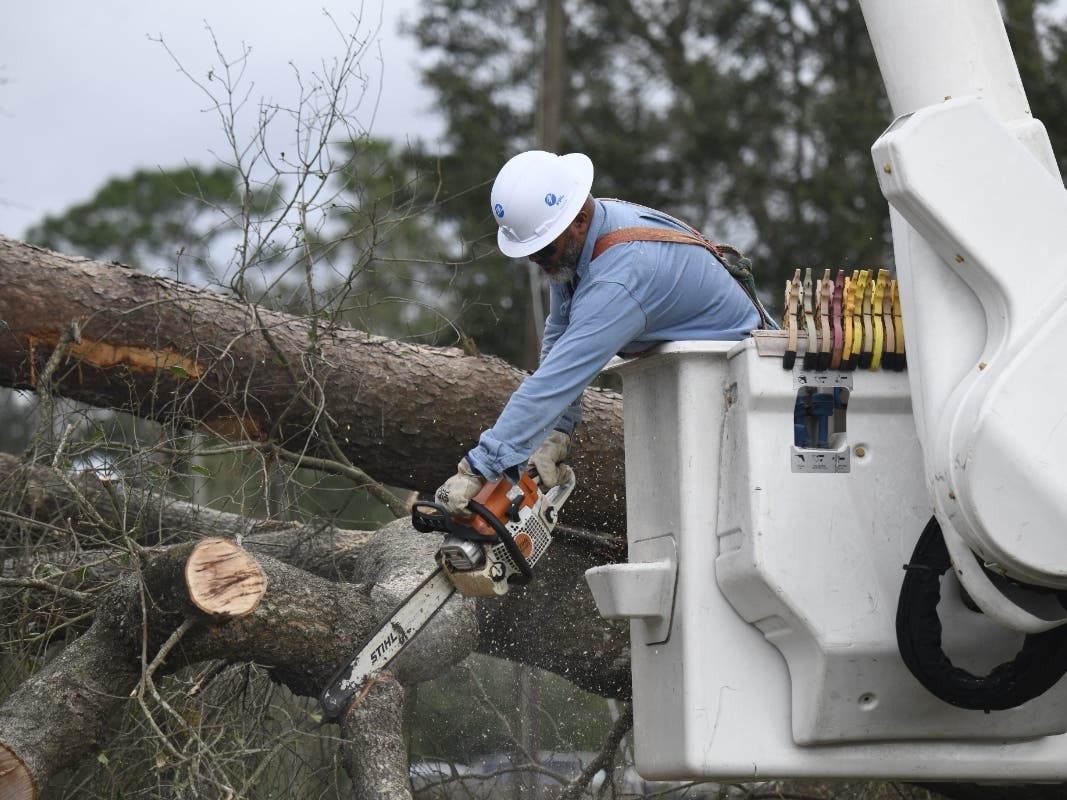
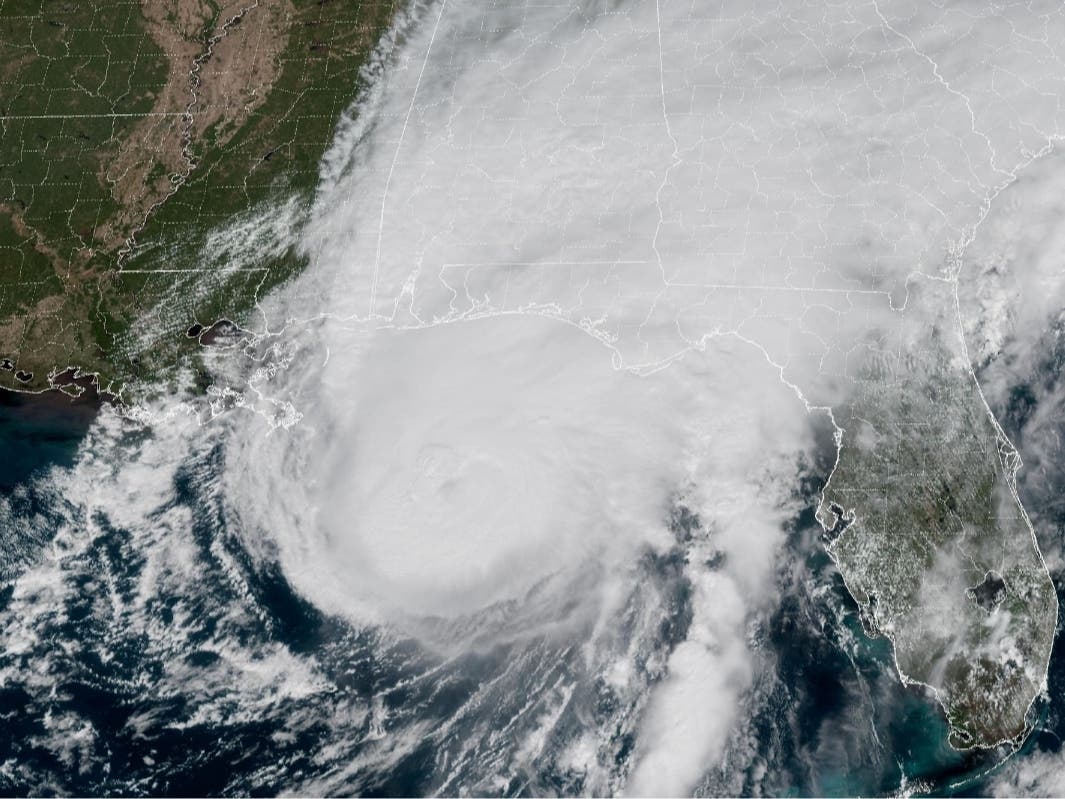
Hurricane Isaias has left four people dead across the Southeast as communities in Florida and neighboring states grapple with widespread power outages, downed trees and flooding following the powerful storm's landfall Friday night.
Find out what's happening in Across Floridafor free with the latest updates from Patch.
As Patch previously reported, Isaias made landfall near Destin at approximately 9:30 p.m. ET Friday as a Category 2 hurricane before tracking north through the Florida Panhandle and into Alabama and Georgia.
Gov. Ron DeSantis said Saturday morning that wind gusts reached 116 mph near Santa Rosa Sound, while gusts exceeding 100 mph were recorded near Pensacola and Panama City Beach.
Find out what's happening in Across Floridafor free with the latest updates from Patch.
Water levels along portions of Florida's Gulf Coast reached 5.5 feet above normal early Saturday.
Although Isaias has weakened into a post-tropical cyclone, flooding remains a significant concern as the storm continues moving across the Southeast.
Thousands In The Dark
As of 5 p.m. ET Saturday, approximately 418,936 homes and businesses remained without electricity across Florida, including more than 300,000 Florida Power & Light customers and another 100,000 customers served by electric cooperatives in northwest Florida.
Several counties reported outages affecting more than three-quarters of their utility customers.
The hardest-hit Florida counties as of 5 p.m. ET included:
- Escambia County: 131,500
- Santa Rosa County: 79,460
- Okaloosa County: 70,263
- Walton County: 67,727
- Bay County: 31,840
- Washington County: 10,931
- Jackson County: 10,672
- Holmes County: 9,973
DeSantis said more than 16,000 utility linemen were staged ahead of the storm, with crews beginning restoration efforts overnight as conditions improved.
Thousands of workers began moving from Sandestin and along the Interstate 10 corridor at daybreak Saturday to reach communities experiencing the most significant outages.
Officials were still assessing whether the hurricane caused lasting damage to substations or other major electrical infrastructure, which could affect restoration timelines.
Death Toll Climbs Across Southeast
The Associated Press reported Saturday afternoon that at least four deaths had been linked to Isaias, including two in Florida and two in Alabama.
Escambia County Sheriff Chip Simmons confirmed a second storm-related death in his county after a man died from carbon monoxide poisoning caused by a generator operating inside his garage.
Four members of the man's family, ranging in age from 4 to 72, were treated for exposure but were expected to survive, according to the AP.
As Patch reported Saturday morning, Simmons previously confirmed that a woman was killed when a tree fell onto her home during the hurricane.
In Alabama, Birmingham Fire Chief Cory Moon confirmed that one person died when a tree fell onto a house. Another person was rescued from the home and treated at the scene.
A fourth death was reported in Barbour County, Alabama, where a motor vehicle crash involving a fallen tree was blamed on the storm, according to Josh Johnson of the Alabama Emergency Management Agency.
Impacts In The FL Panhandle
The AP reported extensive damage across portions of northwest Florida, including roofs torn from buildings, uprooted trees and damage to residential properties.
In Pensacola, hurricane-force winds ripped the roof from a hotel, while city officials reported damage to Pensacola International Airport.
A boathouse collapsed in Destin, while part of the facade of a high-rise building was torn away in Panama City Beach.
Elsewhere in the Panhandle, residents spent Saturday clearing fallen branches, damaged fencing and building materials as utility crews worked to restore electricity.
Major Highways, Bridges Reopen
DeSantis said Florida Department of Transportation crews began clearing debris and inspecting bridges as early as 3 a.m. Saturday.
By 6 a.m., all state-owned bridges had been inspected and reopened, according to the governor.
Crews also cleared and reopened Interstate 10 and U.S. 98, two major transportation corridors serving northwest Florida.
The state deployed 30 FDOT teams to conduct damage and flooding assessments, while 40 debris-clearing teams worked to reopen major routes.
Commercial airline operations also remained disrupted Saturday morning.
Northwest Florida Beaches International Airport had reopened to commercial flights, while Destin-Fort Walton Beach Airport and Pensacola International Airport remained closed to commercial service at the time of the governor's briefing.
Flooding Threat Remains Across Southeast
Despite the hurricane's weakening, forecasters warned that heavy rainfall could produce dangerous flooding across portions of Florida, Alabama, Georgia and the southern Appalachians.
The National Hurricane Center said portions of southern Alabama, the Florida Panhandle and Big Bend could receive 4 to 8 inches of rainfall through the weekend.
The storm was expected to continue moving toward the Tennessee Valley before reaching the mid-Atlantic Sunday.
Robbie Berg, a warning coordination meteorologist with the National Hurricane Center, said the system remained capable of producing damaging winds and significant flash flooding even after losing its tropical characteristics.
DeSantis also warned that flooding could develop well after the storm's strongest winds had passed, urging residents to remain alert to changing conditions.
Feds Respond
The U.S. Department of Energy announced Saturday that it had authorized emergency exchanges of up to 4 million gallons of crude oil from the nation's Strategic Petroleum Reserve to help address supply disruptions caused by Isaias, according to the AP.
The move came as state and federal officials continued evaluating damage to infrastructure and transportation networks across the Gulf Coast.
The Saturday developments follow several days of emergency preparations across Florida.
As Patch previously reported, DeSantis expanded Florida's state of emergency to 27 counties Friday after initially declaring an emergency for 25 counties Tuesday.
Meanwhile, Florida emergency management officials reported completing approximately 150 missions requested by local governments as of Saturday morning.
State search and rescue teams remained on standby as officials continued monitoring conditions in communities affected by flooding and storm damage.
This is a developing story. Patch will continue updating this report as additional information becomes available.
ALSO READ
Get more local news delivered straight to your inbox. Sign up for free Patch newsletters and alerts.