
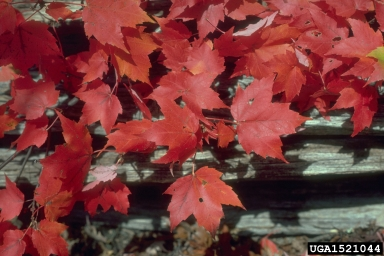
Arbor Day in Georgia comes in February, but did you know that now is the ideal time of year to plant a new tree in your landscape? Trees planted now will have time to produce new roots before having to supply water to lots of thirsty leaves next spring. Planting now will mean lower maintenance time for the trees when spring does arrive. If you are transplanting a small tree, fall planting is especially important since inevitably roots are damaged and lost when the tree is moved. By transplanting trees now, you assure the roots have adequate time to grow and repair themselves for spring. That strong root system increases your odds of successful transplanting.
A Good Reason to Plant Trees
Trees not only provide interest and beauty in your landscape, they can be a valuable tool for helping to reduce your energy costs. Planting strategically placed trees in your landscape can help reduce your energy costs over time. It is not hard to make a plan for planting trees that can lead to savings and now is a great time to plant. You can plan now for trees in your landscape that will bring beauty as well as savings in the future.
Find out what's happening in Dallas-Hiramfor free with the latest updates from Patch.
"Tree time" is slower than most of us have the patience for, yet if you've enjoyed the cool shade, beautiful fall color, or wind-breaking gift of a tree, you most likely have someone else to thank. Consider this when taking care of your newly planted tree or when deciding whether or not to plant. Planting a tree is among the most noble and selfless acts one can do. In many cases, the tree planter will only gain a portion of the forthcoming energy conservation returns, but they do reap all of the satisfaction of having planted a tree that may outlive the individual.
Find out what's happening in Dallas-Hiramfor free with the latest updates from Patch.
Even so, it is possible to plant a tree that within a few years will provide energy conservation benefits. The length of time between planting and energy conservation savings is a function of the following factors: Tree species (fast or slow growing), Site (soil qualities such as fertility, moisture, compaction), Desired energy conservation function (windbreak or shade), Size and position of the structure for which energy conservation is desired.
Some fast growing tree species, under ideal growing conditions, may begin providing energy benefits (deflecting winds or casting shade) in as few as 5 years. In other cases, slower growing species good for long-term energy conservation may take 20 years or more to begin providing benefits.
Would you like to learn more about planting trees for energy conservation? Mark your calendar! On Thursday, October 25 from at 10 am, Paulding County Master Gardener Extension Volunteers will a presentation titled “Money does grow on trees: Planting trees for home energy conservation”. The program will take place at the Dallas First Baptist Church, in the fellowship hall building. This program is free and open to the public.