Crime & Safety
Paulding Sheriff: When Thunder Roars, Go Indoors!
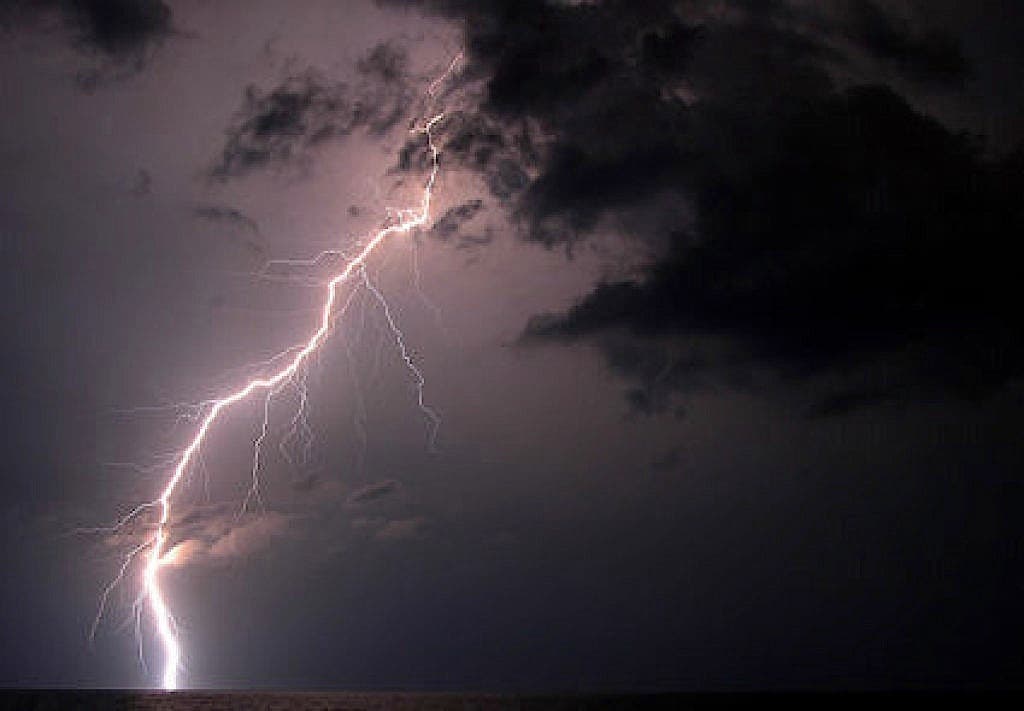
The only completely safe action you can take during a lightning storm is to move inside a safe building or vehicle.


-------
With the threat of severe weather is at its peak during the spring in Georgia, the Paulding County Sheriff’s Office released the following reminders on lightning safety:
Find out what's happening in Dallas-Hiramfor free with the latest updates from Patch.
The Paulding County Sheriff’s Office reminds citizens that there is little you can do to reduce the risk of being struck by lightning if you are outside during a thunderstorm.
The only completely safe action you can take is to move inside a safe building or vehicle.
Find out what's happening in Dallas-Hiramfor free with the latest updates from Patch.
A safe building is one that is fully enclosed with a roof, walls and floor, and has plumbing or wiring. Examples of safe buildings include a home, school, church, hotel, office building or shopping center.
If lightning should directly strike a building with electricity and/or plumbing, the dangerous electrical current from the flash will typically travel through the wiring and/or plumbing, and then into the ground. This is why you should stay away from showers, sinks, hot tubs, and electronic equipment such as TVs, radios, corded telephones and computers.
Unsafe buildings include car ports, open garages, covered patios, picnic shelters, beach pavilions, golf shelters, tents of any kind, baseball dugouts, sheds and greenhouses.
A safe vehicle is any fully enclosed metal topped vehicle such as a hard topped car, minivan, bus, truck, etc. If you drive into a thunderstorm, slow down and use extra caution.
If possible, pull off the road into a safe area, Do NOT leave the vehicle during a thunderstorm.
Unsafe vehicles include convertibles, golf carts, riding mowers, open cab construction equipment and boats without cabins.
Lightning Risk Reduction Outdoors
Most importantly, stay away from high points or anything that will act as a conductor. Tall or isolated trees, water, telephone poles, or metal structures can all attract lightning strikes.
Avoid open areas, where you serve as the tallest object around. Your best bet if you are unable to take shelter indoors is to find a depression or other low point where you can crouch in “lightning position.”
Lightning position involves crouching with your feet planted squarely on the ground, with your head lower than your shoulders. If you have a sleeping pad or other insulator to place under your feet, it can help protect you from ground current.
Do not stand underneath an exposed rock ledge or in the entrance of a cave. If the earth above you is struck, the electricity may arc through you in order to reach the ground.
If you’re traveling in a group when a thunderstorm hits, spread out as you take cover. Thirty to fifty feet between group members should ensure that someone will be available to administer CPR and First Aid in the event of a strike.
Providing First-Aid after a lighting strike
In the event of a strike, it’s important to be prepared for significant injuries of almost any type. If you see someone struck by lightning, it’s absolutely imperative to check their heartbeat and breathing immediately.
CPR has a phenomenal success rate among lightning victims. In cases of lighting injury, CPR can have success rates of up to 90%.
As such, normal rules of triage do not apply. If you find someone without a pulse or respirations after a lightning strike, begin CPR immediately.
Lightning can be deadly and should be taken seriously. Having to take shelter from a storm during an outdoor activity can seem like an inconvenience however it is the difference between life and death.
A good rule of thumb is to stay indoors until 30 minutes have passed after the last clasp of thunder or flash of lightning observed. Don’t be afraid to be the person who speaks up the life you save may be your own!
Get more local news delivered straight to your inbox. Sign up for free Patch newsletters and alerts.