Politics & Government
Elm Street Development Rejected By Deerfield Village Board
Trustees rejected the latest version of the proposed residential development, which included 6 detached homes on a combined 1.08-acre lot.


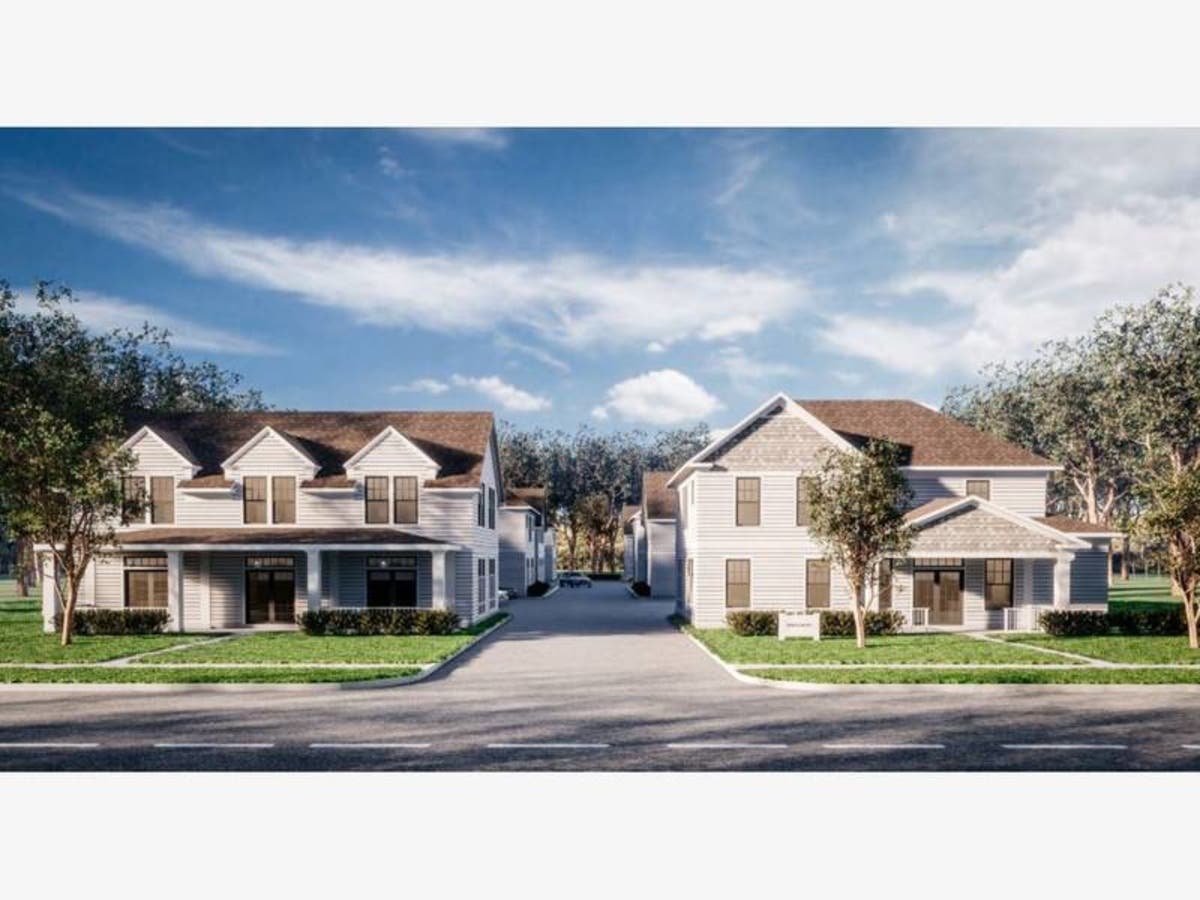
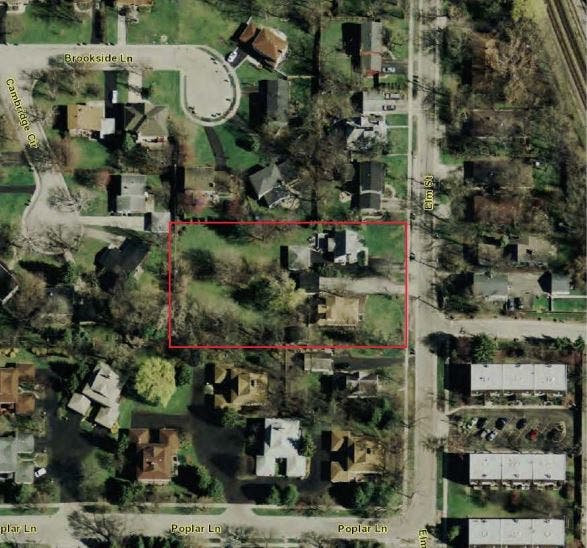
DEERFIELD, IL — The village board last week unanimously rejected the fifth version of a planned residential development on the site of two single-family homes. The latest iteration of the proposal included six houses on 1.08 acres of space at 464 and 502 Elm Street. The plan has been gradually scaled back over the past two years from an initial 14 townhouses. It was first reduced to 12, then to 10, then to eight and eventually to six detached single-family homes.
The proposal three times failed to receive a recommendation from the Plan Commission. Most recently, it split commissioners by a vote of 3-3 in July. Commissioners in favor of the plan appreciated the developers plan to address stormwater and drainage issues on the property and that the height of the buildings had been reduced to under 30 feet. Those opposed to the plan suggested the project's density was incompatible with the neighborhood and included too many exceptions to village code.
Mayor Harriet Rosenthal thanked the development team, plan commissioners and neighbors who participated in the process. Prior to the vote, she summarized the views of trustees unwilling to rezone the site and then approve variances to its new zoning.
Find out what's happening in Deerfieldfor free with the latest updates from Patch.
"Zoning has to be dynamic, we cannot be stuck. On the other hand, we need to preserve zoning when it is proper to preserve zoning," Rosenthal said. "This proposal is too dense, the requested variations are too extreme, the applicant has not satisfied its burden to meet these standards and the proposal does not fit on the property."
Developer Gene Rezvin of Avanti Construction Group had sought rezoning of the lots from R-3 single family residential to R-5 general residence and then asked for exceptions to the amount of space per unit, setback requirements and more. Attorney Michael Viner spoke on Rezvin's behalf at the meeting.
Find out what's happening in Deerfieldfor free with the latest updates from Patch.
"We made very significant changes to appease the neighbors and the neighborhood," Viner said. He suggested neighbors opposed to the project who say they would prefer the site remains as single-family home should be careful what they wish for.
"The single-family homes that you would have to build to meet demand on this lot, they wouldn't be the quaint farmhouses that are there now," he told the board. "They would be much bigger houses, they would take up a lot of the land, there would be a lot of concrete and I don't think those two homes would be what the neighbors actually want them to be."
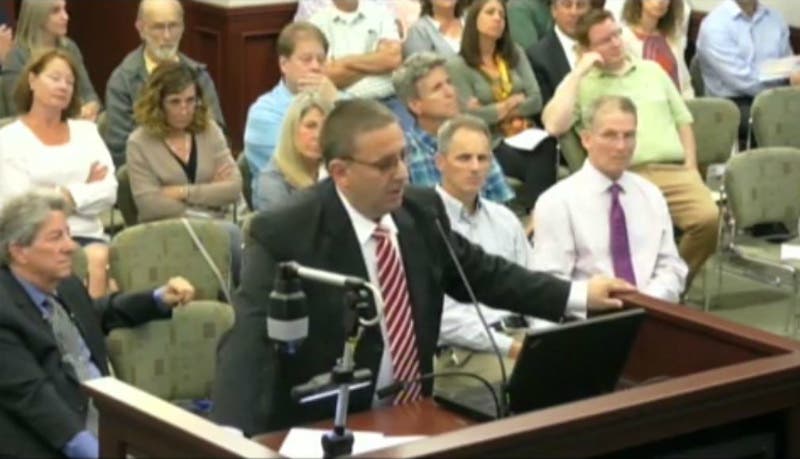
About a dozen residents spoke against the project at the board's Sept. 4 meeting, just as they have at several previous public hearings before the board and the Plan Commission since November 2017. They questioned the impact on their property values, the density of the neighborhood and the removal of mature trees.
Trustee Barbara Struthers said there are good reasons for village's zoning regulations about drainage, yard setbacks, tree removal, many of which resulted from a teardown task force in which she participated and all of which were voted and accepted by the village board.
"These are laws. These laws serve to protect our residents who own homes in Deerfield. They're not suggestions that can be ignored and messed with to serve the interests of developers," Struthers said. "I don't mind anybody making money on property but I do object to people coming in thinking they can ignore the rules or twist the rules and get their own little [planned development] to suit what they want and just run roughshod over the residents."
Bill Seiden, also a member of the teardown task force formed in 2002, noted the degree of variances requested by the developer. After rezoning, the amount of space per unit would still be 19 percent smaller than required by code. He said he did not believe the exceptions were reasonable.
"These are things that I take seriously and I think that's the reason that the task force came up with pretty rigid setbacks," Seiden said.
"This is a for-profit development. I am very much influenced by all the neighbors. I like to listen to neighbors and where possible, do what they want. And in this case I see absolutely no reason to grant any of the variations they're asking for," he said, suggesting the developer would be able to make plenty of money with two single-family homes on the site. "They're not going to lose any money, so I don't think we need to worry about the developer particularly. Anyhow, I am very much opposed to this."
Trustee Mary Oppenheim pointed out the location of the proposed development sits at an intersection of several types of zoning and has the potential for a good development.
"I don't think this development is the one. It's 10 pounds of stuff in a 5-pound bag," Oppenheim said. "I'm very disturbed by the fact that it doesn't meet the requirement for the amount of space per unit. That, to me, is the largest issue." She said the area needs to be redeveloped and the lots are "ripe for something" but the board should wait for the right thing.
Trustee Tom Jester said the arguments against the development were not especially convincing, but he would vote to go along with the plan commission's decision not to approve the proposal.
"I thought the negatives were simplistic and thought it looked like a good development with improvement in drainage," Jester said. "The Plan Commission did not approve it, and on the basis of the Plan Commission's evenly split vote, I'll vote against it and we'll see what comes next."
Trustee Dan Shapiro said he admired the perseverance of the development team but agreed with the plan commission that the standards had not been met.
Trustee Bob Benton said zoning can shift when needed for public good, but this development was not an example.
"I don't feel that this is a development that benefits the community, that we have a need for it," Benton said. "I think it's too dense at this point."
Rezvin, the Highland Park-based developer, is not ready to give up on a planned development on the site. He said he has not decided on the next steps for the property. His latest proposal had called for four-bedroom homes between 2,500 and 2,800 square feet that would be intended to be sold for around $600,000 and built as they were sold.

Earlier:
- Elm Street Development Heads Back To Plan Commission
- 12 Townhouses On Two Lots Proposed For Elm Street In Deerfield
Get more local news delivered straight to your inbox. Sign up for free Patch newsletters and alerts.