Schools
District 68 Discusses Possible Lunch Program Changes
District 68 board members debated options for changing its food service program at its Feb. 27 meeting.


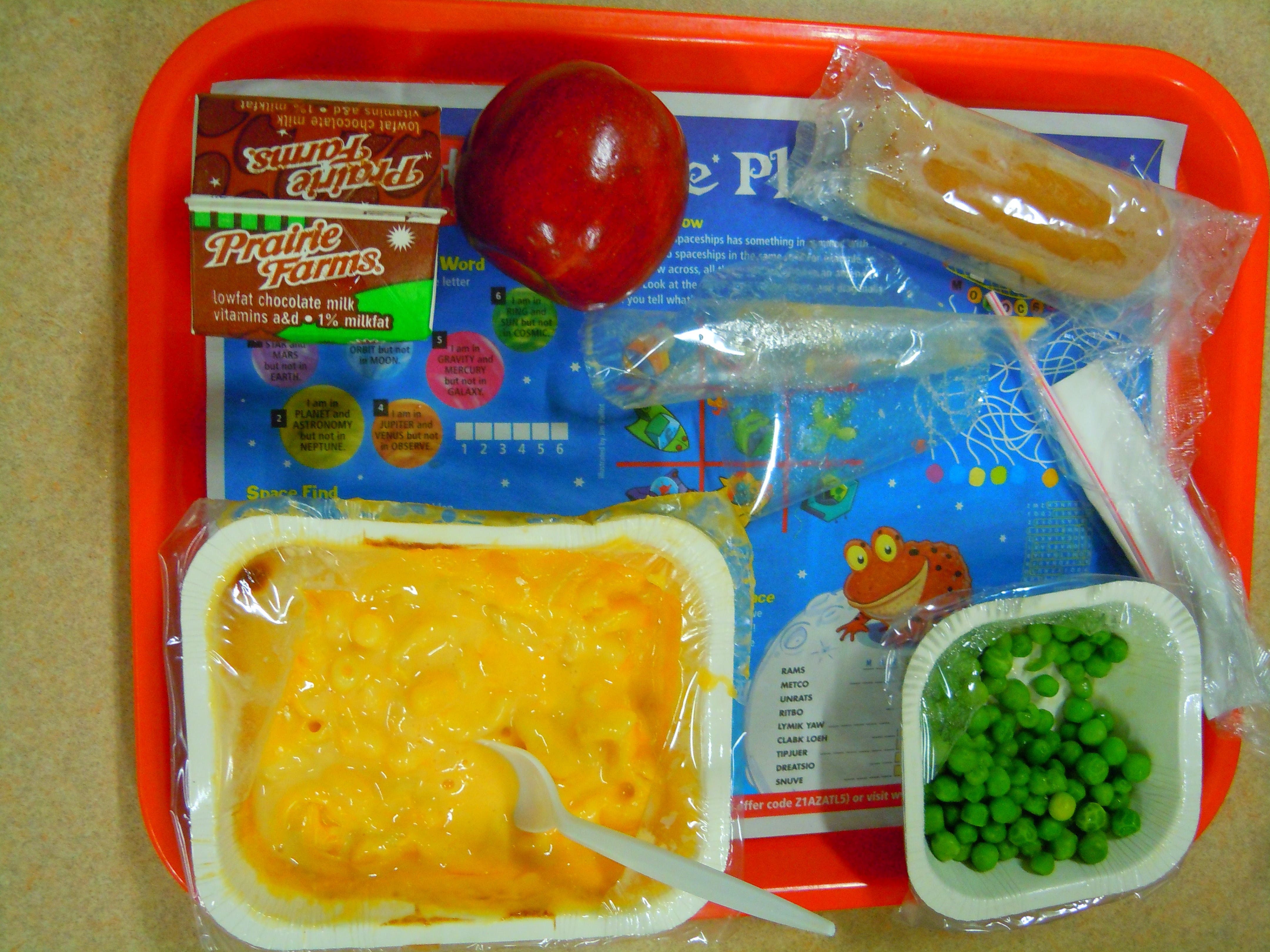
continues to try to find a balance between serving more enticing food and keeping costs down.
The district scheduled an update for its goal to “investigate opportunities that may enhance our food service program” during its Feb. 27 board meeting.
During the update, the district stuck by its current food service provider, Preferred Meal Systems, arguing that it was the best option for its cost.
Find out what's happening in Woodridgefor free with the latest updates from Patch.
But some board members questioned whether the district had considered enough options to improve its food.
Woodridge Patch posted a series about the food program last spring. See what parents thought, what students thought and how food compared with fast food.
Find out what's happening in Woodridgefor free with the latest updates from Patch.
None of the District 68 schools have kitchens to cook food from scratch, so food is delivered by Preferred Meal Systems, heated and served. Following parent feedback and concerns, the district made improving the district's school lunch program one of its strategic goals for the next five years.
The objective under that goal was:
“During the 2011-2012 school year, the business office will review the food service program to determine if alternate viable options are available.”
Starting next school year, the district won't just provide lunch to students -- the district will also serve breakfast for students in the free and reduced meal program.
Food Service Director Diane Moser presented a list of actions taken by Preferred Meals to better align its food with federal nutrition standards:
- The service’s switch to whole grain items in chicken nugget breading, pasta and pizza crust
- Its “very proactive” approach to offering fresh fruit or vegetables three of the five school days a week
- Changes to the presentation of food at Jefferson, dressing tables with tablecloths, plastic bins and baskets
- Moving food service to students outside of the kitchen and into the Jefferson commons area
A representative from Preferred Meals also spoke to some of the challenges to meet USDA regulations, including serving the students enough calories. A lunch meal must average 785 calories.
"Healthy foods" are few in calories. One has to consume a number of fresh apples to meet the calorie requirements, the rep said.
“At this point, I’m not sure if there’s another option out there right now without talking about more money," Moser said.
District 68 Board Member Jeff Cortez challenged that thought.
“If we believe our lunch program needs improvement, let’s understand what the choice are and what can make improvement,” Cortez told the board. “If there are other choices, let’s make an understanding of what it is. I’m not being satisfied with the answer being, ‘We’re there.’”
“We’re dealing with a limited set of options,” Pollack answered Cortez.
Using as a satellite kitchen and then busing food to District 68 schools is an option the district has been discussed in the past.
“Other districts have tried that option,” Moser said. “The meals came cold. Sometimes there weren’t enough of them.”
Jefferson offered a wrapped sandwich option in addition to its hot meal. Interest peaked early on and waned.
“We’re limited,” Moser said. “How tasty can you make a meal when you have to take out all of the things that they like to eat. You can’t add fat, butter or salt.”
But Cortez pushed for more information on other options.
“I’m concerned that we’ve really not gone that far,” Cortez said.
Vice President Brian Rychlec also asked for more data. Kevin Wegner, assistant superintendent of business for the district, said he would cost out using satellite kitchens, adding a kitchen and perhaps other options for the board to review.
New USDA regulations
Moser reviewed the new regulations for school food programs. Each child will need to take at least one fruit or vegetable and portion sizes for fruit and veggies will be increased.
There will an increase in serving sizes for older grades in grains and meats. Whole grains will be expected in meals, instead of encouraged. Flavored milk will have to be completely fat-free. Unflavored milk will have to be one percent or skim.
National School Lunch Program
About 40 percent of District 68's students were eligible for free or reduced lunch last year, according to Kevin Wegner, assistant superintendent for business at District 68. That was about 1,200 students who could rely strictly on the district for food during the day.
Between 45 to 50 percent of District 68 students participate in the school lunch program on a daily basis, according to Diane Moser, District 68 lunch program assistant.
Established by President Harry Truman in 1946, the National School Lunch Program is a federally assisted meal system that operates in public and nonprofit schools, as well as within residential child care institutions. Its objective is to provide low-cost or free, nutritionally balanced meals to children at school each day.
The program ensures that meals being served in participating schools contain one-third of the recommended dietary allowance of necessary nutrients. The NSLP’s beliefs assert that if children are hungry they cannot learn, and studies align academic achievement with good nutrition.
The NSLP also provides meals for children when their families would otherwise be unable to afford the expense.
“All seven of the schools within our district participate in the lunch program,” Moser said last year. “Lunch costs range from $2.45 to $2.60 for grammar and junior-high schools respectively.”
Despite the district’s tight budget, the NSLP reimbursed only a portion of the costs for most meals—26 cents for paid meals, $2.32 for reduced-price meals and $2.72 for free meals last year.
Adding to the district’s fiscal challenges, NSLP reimbursement is distributed by the state, from which payments have been lagging. So far this year, District 68 has only been reimbursed for about 53 percent of the money they’ve spent on the food service program.
“For the 2010-11 school year through February, the district has spent $357,535 on the food service program, and has received only $189,429 in reimbursement from the National School Lunch Program,” Wegner said last yaer.
Wegner said districts choose to be in the program if they have "enough poverty students" and could stand to benefit from receiving reimbursements for those meals.
Wealthier schools don't participate in the program as much because they can get by without those reimbursements and have more freedom with their lunch programs.
Get more local news delivered straight to your inbox. Sign up for free Patch newsletters and alerts.