Arts & Entertainment
Vincent Van Gogh: Raw and Real
Cinema and Art go hand in hand in portraying a portrait of a great artist Vincent Van Gogh.

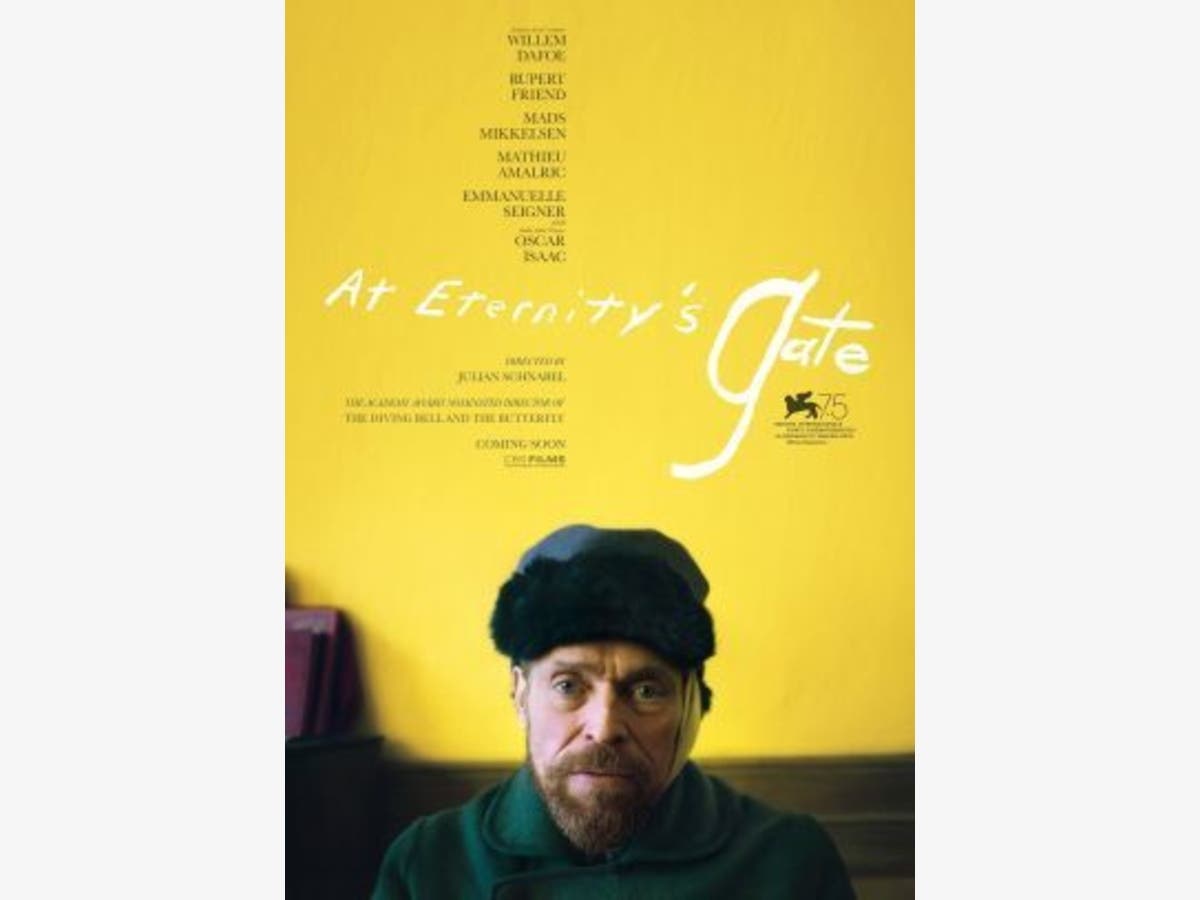
Yesterday I saw the Vincent Van Gogh movie “At Eternity’s Gate”. It was a difficult and painful movie to watch not because it wasn’t done well (au contraire, it was excellent), but because it honestly showed the harsh world that Van Gogh had lived in and how much pain he had endured during his short life.
The movie directed by a world renowned artist Julian Schnabel takes a different route from all the other Van Gogh movies. It emphasizes the essence of Van Gogh’s vision and pushes us into the rawness of what was Van Gogh. Moreover, the movie’s cinematography digs deeper even in the rawness of cinema and film making which is an element that is rarely seen in our digital cinematic age of fast technically enhanced and altered world.
“At Eternity Gate” shows us a profile of a real honest to goodness truthful artist what I personally call “a true artist” - a rare gem in our world. The aches and pains, the ups and downs of Van Gogh are as real as can be when one is faced with the life situations and dilemmas that Vincent encountered. The movie doesn’t show a charming Vincent but a truthful and anguished Vincent where all that he wanted was to be loved. Did he get that in his lifetime that love that he seeked so much for especially form his observers and his surrounding. Well, we all know that answer unfortunately is a big NO! Now, if he had been a very charming man smiling to the ladies and wining them over, flirting with this person and that, diplomatically chit-chatting his way through Arles and Aix-en-Provence would we have the same creative results, and would he have faced that kind of life. I firmly believe the answer to this question is also a no. It was the culmination of all the pain that he had endured, all those bad looks accompanied by shunning eyes and rejection that he experienced that eventually made our Van Gogh. Life was not good to Van Gogh, it wasn’t good at all. Van Gogh didn’t have the love of the people of his time. He on the other hand had the love of nature, and he surely loved it back. For him nature represented God and his beauty came through nature clearly to him. One needs to know that Van Gogh wanted to be in the clergy before even wanting to be an artist. Yet, unfortunately even that early route didn’t work out well for him, and he was rejected as well. Being an artist came as last resort from a world that kept closing doors into his face over and over again. Van Gogh though did what he did best. He got up every morning and went to the fields, loved mother nature and brilliantly showed his love through his magically painted canvases and heavy painterly brush strokes evoking the wood grain of the tree trunks and the passing clouds as they pass by while he paints his en plein air’s paintings – capturing the twinkle of the stars as they look down upon him, and the breeze in the air as it goes through those Provencal pine trees. He captured nature well. However, society and the world didn't see him for what he saw in himself which brought him the biggest of grief that ate him up. Unfortunately for Vincent, the people surrounding him in those little villages didn’t seem to care much about art, and to be frank didn’t even care about him. Van Gogh’s art was the least of their concerns and their interests. This vital point in the movie and in Van Gogh’s world shows us very clearly an important matter that if an artist is living in an atmosphere where he/she is not appreciated and his or her vision is not seen for what it is then this artist suffers not only mentally but his physical health dwindles as well. In Van Gogh’s world, there were very few people who really cared about him. There were mainly two people who saw him for the artist that he was such as his brother Theo who supported him financially and endorsed his art career, and the other is artist Paul Gauguin. I am sure people beg to differ in regards to Gauguin. After all, Van Gogh cut off his ear for Gauguin when he decided to leave the sleepy little town of Arles and move on with his life. What Van Gogh missed to see is that Gauguin didn’t really leave him - he couldn’t stay in a town that had no appreciation of artists and art. Gauguin left the small minded mentalities that looked down upon artists and treated them as inferiors and degenerates. Gauguin was very much like Van Gogh truthful in what he said with on embellishments. He saw things for what they were. He advised Vincent on matters of art and life. Yet, Vincent simply didn’t see the points that Gauguin was making. Van Gogh overlooked the details that Gauguin raised partly due to the artist stubbornness and partly due to the artist’s pride. In general, his eyes and mind did not change with what Gauguin informed him. Old ways after all and character prevail in many cases.
To add to the depressing equations, Vincent continued to suffer more and more due to all the oppression and suppression he met in his life. The struggling artist dilemma brings us to the point of suffering and pain, and that at the end made the man that he was. It has been said, and I am a firm believer that one needs to have pain to produce paintings. I believe this observation is so on point! History shows us personas of temperamental misunderstood struggling artists who clearly left a mark on art history and our lives. Artists such as the beaten up emotionally Van Gogh and highly tempered and talented Michelangelo, and the screaming Munch all masters of their craft who embodied what real artist represent: raw, strong, emotional, full of love, dreamers, hopeful of a perfect world that does not exist. Last but not least, they were visionaries who pathed the way for more art appreciation and a deeper look at the heart of all things art. They were revolutionary visionaries beyond their time which in return caused them much pain living in theirs. Alas, their vision was not understood but misunderstood during their lifetime. People didn’t know what to make of them so they hated them and left them alone struggling with that God given talent and their bewilderment of what to make of it. Fortunately for us, history gave us such great characters who were the pioneers of what art is all about.
If you love art and cinema, much like I do, take it upon yourself to immerse in this artistic movie and the truths it brings us when it comes to knowing more about an artist who was as transparent as can be.
Willem Dafoe plays Vincent beautifully and resembles him like no other - Julian Schnabel picked a winner here!
In Bethesda, playing at Landmark Bethesda Row Cinema.
For more about artist, art critic and educator Vian Borchert visit: www.vianborchert.com