Politics & Government
Jud Ashman Vying To Bring Years Of Mayoral Work To County Council
Gaithersburg Mayor Jud Ashman tells Patch he's bringing nearly 20 years' worth of political experience to the County Council.


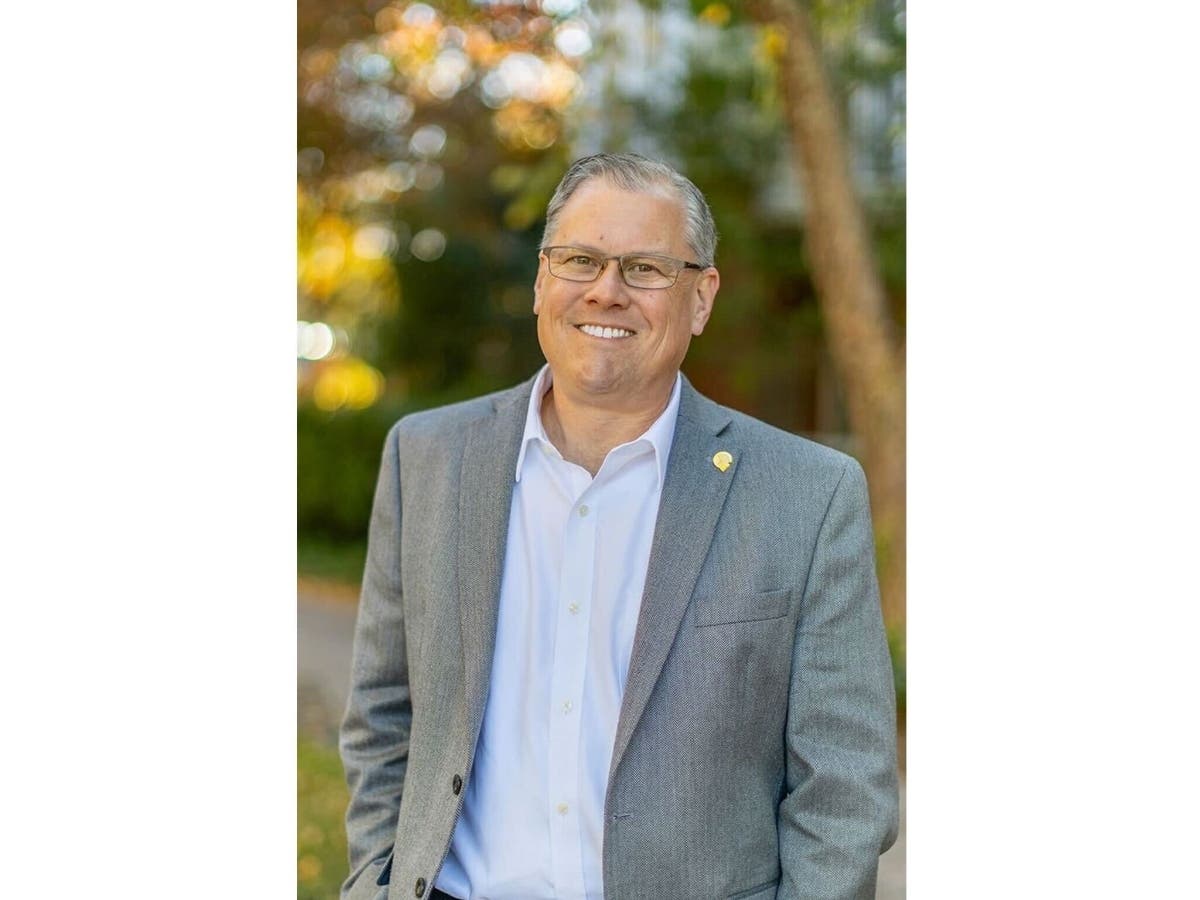
MONTGOMERY COUNTY, MD — Ahead of the primary elections in June, Patch has invited candidates running to represent the 3rd District on the Montgomery County Council to complete a questionnaire touching on a variety of key issues.
Candidate responses will be published verbatim in the run-up to the primaries on Tuesday, June 23.
Related:
Find out what's happening in Rockvillefor free with the latest updates from Patch.
Questionnaire responses for Jud Ashman, who is running to serve the 3rd District, can be found below:
Name: Jud Ashman
Find out what's happening in Rockvillefor free with the latest updates from Patch.
Age: 55
Hometown: Gaithersburg
Political Affiliation: Democratic
Do you have any previous political experience? If so, please state and explain how that experience will influence your time in office if elected.
I have served as mayor of Gaithersburg — the most diverse city in America — for the past 12 years, following seven years on the City Council.
Over more than 18 years in elected office, I’ve gained hands-on experience crafting public policy, building partnerships across all levels of government, and leading in a collaborative, results-oriented way. That experience has taught me how to navigate complex challenges and turn ideas into action.
In Gaithersburg, we’ve delivered high-quality services while maintaining the lowest property tax rate among Maryland’s large cities and remaining debt-free. That record reflects a commitment to fiscal discipline, smart growth, and responsive government.
I will bring that same pragmatic, results-driven approach to the County Council — focused on delivering real outcomes and improving quality of life for residents across the community.
What do you believe is the single-most important issue facing voters in the district you’re looking to represent? How do you intend to address those issues?
The single most important issue facing voters in this district is housing affordability. Too many families — whether they’re renters, first-time buyers, or seniors looking to downsize — are struggling to find housing they can afford. That’s not just a housing issue; it’s an economic and quality-of-life issue that affects everything from workforce stability to school enrollment to whether people can stay in the communities they love.
The root of the problem is that we haven’t built enough housing to keep up with demand. To address this, I will focus on increasing supply — streamlining the approval process, encouraging a wider range of housing types and prices, and ensuring we are building in the right places with the infrastructure to support it.
At the same time, we need to protect and support current residents. That means targeted tenant protections, strategic investments in affordable housing, and strong partnerships with the nonprofit and private sectors.
We help our residents when we give them housing choice. My goal is to make Montgomery County a place where people at every stage of life can find a home they can afford — and a community they can stay in.
How do you differ from other candidates running against you?
The biggest difference is experience. I bring a long, proven track record of delivering results, a clear vision for where we need to go, and a deep commitment to this community.
There’s no guesswork with me. After more than 18 years of making highly accountable, public decisions, voters can see exactly how I lead — my values, how I handle challenges, and how I work with others to get results.
As mayor of Gaithersburg, I’ve led the nation’s most diverse city through both opportunity and uncertainty — keeping our finances strong, investing in public safety, supporting small businesses, and expanding housing and economic development. We’ve done that while maintaining the lowest property tax rate among Maryland’s large cities and earning consistently high marks from our residents.
This race also reflects two different approaches. My opponents largely represent the status quo — an approach that has coincided with stagnant job growth, insufficient housing production, and continued pressure to raise taxes. I’m offering a different path, one that embraces smart growth, expands opportunity, and makes our county more affordable and competitive.
How would your work experience benefit the goals/objectives you’ve outlined in your campaign and/or the office you’re seeking?
As mayor of Gaithersburg, I’ve spent over a decade overseeing a complex organization, balancing budgets, and delivering results for a diverse and growing community. That experience has shaped my focus on fiscal responsibility, efficient government, and outcomes.
I’ve worked closely with residents, businesses, and regional partners to advance major projects, support economic development, and expand housing opportunities. Whether it’s navigating development approvals, investing in infrastructure, or strengthening partnerships with nonprofits, I’ve learned how to turn ideas into action.
Just as importantly, I’ve built a reputation for being accessible and responsive. That combination of practical experience and community connection will allow me to effectively advance the goals I’ve outlined and deliver results on day one.
What is your opinion of the work being done by the current officeholder, and how will you improve on it?
Councilmember Katz has been a friend and mentor to me for many years, and I am grateful for his long record of public service. I am also grateful for his support and for the example he set in many areas, particularly his responsiveness to constituents and commitment to civic engagement.
At the same time, I believe this moment calls for a renewed focus on the county’s biggest challenges — especially affordability, housing supply, and economic growth. We need to move with greater urgency to expand housing options, streamline approvals, and create the conditions for businesses to grow and stay here.
My approach will build on the strong foundation he leaves, while bringing a sharper focus on results — delivering more housing, more opportunity, and a more affordable future for Montgomery County residents.
How do you believe Montgomery County should address data centers?
The county should neither rubber-stamp data centers nor rule them out categorically. We need a disciplined framework that evaluates them case by case, with clear guardrails around energy use, water consumption, noise, traffic, emissions, and compatibility with nearby communities. Montgomery County’s current debate is already moving in that direction, with proposed zoning rules and amendments focused on setbacks, scale, water, and energy requirements.
Data centers can bring in a lot of much-needed revenue to the county, which would be a good thing. But if a project moves forward, the standard should be simple: The public should not subsidize private impacts.
Data center operators should bear the cost of the infrastructure they require, especially power-related upgrades, and they should be expected to minimize — if not fully negate — environmental harm and community disruption.
Do you believe there should be a data center moratorium or a temporary pause? Explain.
I do not support a blanket moratorium on data centers, as they are an increasingly important part of our economy — bringing tax revenue and critical infrastructure that supports how we live and work.
I believe the better approach is to put clear, thoughtful guardrails in place. Councilmember Balcombe has introduced legislation that begins to establish a framework for where and how data centers should be developed, and I think that’s the right direction.
We should focus on ensuring appropriate siting, managing energy and environmental impacts, and protecting nearby communities — while still allowing the county to benefit from this growing sector.
Do you believe there should be data center regulations put in place? Explain.
Yes. I believe we need thoughtful guardrails in place. As I mentioned above, Councilmember Balcombe has introduced legislation that begins to establish a framework for where and how data centers should be developed, and I think that’s the right direction.
We should focus on ensuring appropriate siting, managing energy and environmental impacts, and protecting nearby communities — while still allowing the county to benefit from this growing sector.
What steps would you take to offset data center impacts to residents’ standard of living, such as rising energy prices?
As we consider the conditions needed to approve data centers, we must be proactive about protecting residents from unintended impacts — especially rising energy costs.
First, infrastructure upgrades required to support data centers should not be shifted onto residential ratepayers. Those costs should be borne by the developers driving the demand.
Second, we should require strong energy standards — prioritizing efficiency, encouraging renewable energy, and exploring requirements for on-site generation or long-term power purchase agreements that reduce strain on the grid.
We should also insist on closed-loop water systems, so heated water is not discharged back into the Potomac River in ways that could harm natural ecosystems.
Finally, scale and siting matter. Data centers should be located where the grid can support them and where impacts on surrounding communities are minimized.
The goal is simple: if we pursue this industry, it must be on terms that protect residents and strengthen quality of life.
How would you distinguish between a good vs. bad data center? Or do you believe no data centers should be in the county/district?
The difference between a good project and a bad one comes down to how it’s planned, built, and integrated into the community.
A good data center is located in an appropriate industrial area, away from residential neighborhoods, and in a place where existing infrastructure can support it. It meets high standards for energy efficiency, relies on renewable power where possible, and does not shift infrastructure or energy costs onto residents. It also minimizes environmental impacts, including the use of closed-loop water systems, and is designed to reduce noise and visual disruption.
A bad data center, by contrast, is one that is poorly sited, strains the grid, drives up costs for residents, or negatively impacts nearby communities and natural resources.
My position is straightforward: if a data center meets strong standards and delivers real community benefit, it should be considered. If it doesn’t, it shouldn’t move forward.
Gov. Wes Moore signed bills banning agreements between local police and federal immigration officials in February. What is your opinion of the legislation?
I strongly support the legislation, which builds on the principles of the TRUST Act here in Montgomery County. These policies also align with the approach we’ve followed in Gaithersburg for many years.
At its core, this is about ensuring that local law enforcement can focus on their primary mission — keeping our communities safe—while also maintaining trust with the residents they serve. When individuals fear that interacting with local police could lead to immigration consequences, they are less likely to report crimes, cooperate with investigations, or seek help when they need it. That makes all of us less safe.
This legislation reinforces the appropriate separation between local policing and federal immigration enforcement, strengthening community trust while still allowing coordination on serious criminal matters.
In a diverse community like ours, that balance is essential to effective public safety.
What steps would you take to support or readjust that initiative?
I support the intent of this legislation, and my focus would be on ensuring it is implemented effectively and responsibly.
I would work to ensure clear guidance and training for local law enforcement so the policy is applied consistently and as intended.
I would prioritize ongoing communication with immigrant communities and community-based organizations to make sure residents understand their rights and feel safe engaging with local government and law enforcement.
I would support regular review of how the policy is working in practice — looking at data, community feedback, and public safety outcomes — to ensure it is strengthening trust without unintended consequences.
If adjustments are needed, they should be guided by that real-world experience, with the goal of maintaining both community trust and effective public safety.
What is your stance on the establishment of Immigration and Customs Enforcement (ICE) detention centers in the county and/or your district?
I do not support the establishment of ICE detention or processing centers in Montgomery County.
Our community has worked hard to build trust between residents and local institutions, particularly in a county as diverse as ours. The presence of ICE facilities would undermine that trust and create fear among families who are part of the fabric of our community.
I believe immigration enforcement is a federal responsibility, and local jurisdictions should not take actions that blur that line or make residents less likely to engage with schools, public safety, or local services.
My focus is on ensuring that all residents feel safe, respected, and able to participate fully in our community — and I do not believe ICE facilities in our county advance that goal.
What actionable plans would you undertake to address illegal immigration?
We should start by recognizing that immigration enforcement is a federal responsibility, not a local one. At the county level, my focus would be on practical steps that uphold the law, protect due process, and maintain public safety. Maryland now bars local 287(g) agreements with federal immigration authorities, and Montgomery County’s Trust Act was adopted to help residents access county services without fear. Those policies are consistent with the approach Gaithersburg has followed for years.
I would support strong coordination when serious crimes are involved and there is a lawful judicial process, but I would not support turning local government or local police into an arm of federal civil immigration enforcement.
Education: What is the biggest issue facing Montgomery County Public Schools? How would you address it?
The biggest issue facing Montgomery County Public Schools is declining enrollment — and how that will impact budgets, staffing, and long-term facility decisions.
We’re entering a period where fewer students will mean difficult choices about how we allocate resources. That creates real tension: how do we right-size our system while still maintaining high-quality programming, supporting our educators, and meeting the needs of every community?
While the Board of Education manages the school system, the County Council plays a critical role in funding and capital planning. I would work to ensure that we are aligning our investments with enrollment trends — being thoughtful about school construction, modernization, and utilization, while avoiding unnecessary costs that put pressure on taxpayers.
At the same time, we need to use this moment as an opportunity — focusing resources on improving outcomes, strengthening programs, and ensuring every student receives the attention and support they need.
Handled well, this challenge can lead to a more efficient, more effective school system.
A student brings a gun/weapon to campus without setting off any red flags. What security measures would you advocate for to prevent such an incident?
It is first important to acknowledge that the County Council does not control day-to-day school operations or security policies — that responsibility lies with MCPS and the Board of Education. But the Council does play a critical role in funding, coordination, and accountability.
From that perspective, I would support continued investment in behavioral threat assessment programs, where educators, counselors, and law enforcement work together to identify and intervene early when there are warning signs. Expanding access to mental health resources is also essential so students have support before situations escalate.
I also support the restoration of the School Resource Officer program, with a clear focus on building positive relationships between officers and students and enhancing safety in and around our schools.
In addition, I would prioritize continued funding for strong physical security measures — controlled access points, visitor management systems, and trained security personnel — implemented in a way that maintains a positive school environment.
Finally, communication and coordination are key. We need clear, trusted ways for students and families to report concerns, and strong collaboration between MCPS, local law enforcement, and county agencies to ensure we’re following best practices.
The goal is to do everything we can — within our role— to prevent incidents before they happen and keep our schools safe.
Do you believe schools need stricter security measures? Metal detectors? Move away from CEOs and revert to SROs? Explain.
On metal detectors, I’m open to their use in specific circumstances, but that decision should be driven by MCPS and the Board of Education based on demonstrated need. They are best positioned to evaluate where, if anywhere, they would be effective, and whether the benefits outweigh the costs and impact on the school environment.
I do support moving back toward a School Resource Officer model, with a clear focus on trained officers who are integrated into the school community, build relationships with students, and serve as a safety resource — not just a law enforcement presence. I believe that model is more effective than the current approach.
At the same time, security is about more than any single measure. We need strong access controls, well-trained staff, effective threat assessment teams, and robust mental health supports. Just as importantly, we need a school climate where students feel connected and comfortable speaking up if something is wrong.
What will you do to encourage affordable/public housing in the county?
The only sustainable way to make housing more affordable is to increase supply, and that has to be the foundation of our approach. We need to make it easier — not harder — to build housing at all price points.
I would focus on streamlining the development review and permitting process so projects can move more quickly and predictably. Time is money in housing, and unnecessary delays drive up costs that ultimately get passed on to residents.
At the same time, we need to strengthen our public-private partnerships to produce more affordable and workforce housing — leveraging tools like the Housing Initiative Fund, density incentives, and smart use of publicly owned land to maximize impact.
We should also encourage a wider range of housing types — duplexes, townhomes, and missing-middle housing — so people have more options at different stages of life.
Finally, we need to be strategic about where we build, focusing on transit-accessible areas and aligning housing with infrastructure and jobs.
We help our residents when we give them housing choice. My goal is to make Montgomery County a place where people can afford to live, work, and stay.
How will you address crime in Montgomery County/your district?
Addressing crime starts with a clear goal: making every community in Montgomery County safe, while building trust between residents and those sworn to protect them.
I would start by first ensuring our police department is fully staffed, well-trained, and supported. Right now, MCPD is facing a significant vacancy rate — nearly 15% — and I don’t believe that’s solely a compensation issue. It’s also about morale. Our default should be to support our officers, while holding them to the highest standards of professionalism and accountability.
It’s also worth noting that nearby departments — including Gaithersburg and Rockville — are fully staffed. That tells me this isn’t just about the labor market; it’s about leadership, culture, and making sure officers feel valued and supported in doing their jobs.
We also have to focus on prevention. That means investing in youth programs, mental health services, and intervention strategies that address the root causes of crime before it happens.
And we should be strategic and data-driven — deploying resources where they are most needed, targeting repeat offenders, and strengthening coordination between local, state, and federal partners on serious crimes.
Public safety is a core responsibility of government, and I will approach it with urgency, balance, and a commitment to results.
What is your stance on the "Save Wootton" initiative by community members?
I have great empathy for families and community members who have been advocating through the “Save Wootton” initiative. School assignments are deeply personal, and people want stability, predictability, and confidence that commitments made to their communities will be honored.
The Board of Education has made its decision to relocate Wootton to the soon-to-be-opened Crown site. While the County Council does not have the authority to override that decision, we do have a responsibility when it comes to capital funding and long-term planning.
That’s where I believe we can play a constructive role — by prioritizing the backlog of MCPS capital projects, including the long-overdue renovation of the current Wootton facility. If we make that investment, we keep options open for the future. When the Board undertakes its next boundary study, reopening that site as a viable school becomes a real possibility.
My focus is on making sure we are not closing doors for future students and families, and that we are aligning our investments with long-term flexibility and community needs.
A 6% property tax increase was proposed for the fiscal 2027 budget to raise funds for schools. Homeowners are reluctant to pay more.
What is your position?
I do not support these tax and fee increases. We need to ask the government to do better before we ask residents to pay more.
The reality is that the cost of delivering services will continue to rise. There are two ways to respond: raise taxes or grow the tax base. I strongly prefer the latter.
Too often, the county has defaulted to tax increases — proposing them in most of the past several years. That’s not a sustainable path, and it’s putting real pressure on residents. As I’ve been knocking on doors, I’ve heard from retirees and working families alike who feel like they’re being priced out of the community they’ve called home for years.
In Gaithersburg, we’ve taken a different approach. By supporting smart growth, attracting businesses, and expanding our economic base, we’ve been able to deliver high-quality services while keeping our property tax rate stable.
That’s the approach I would bring to the County Council — focus on growing our economy, broadening the tax base, and reducing the need for repeated tax increases on our residents.
What other options would you consider to raise money that does not include raising taxes?
Growing the tax base is the most important strategy — attracting new businesses, supporting job creation, and encouraging smart development so more economic activity generates more revenue. (Just like what we've been doing in Gaithersburg.)
We should make better use of the assets we already have. That includes leveraging public land through public-private partnerships, ground leases, and redevelopment opportunities that can generate long-term revenue while advancing community goals.
It also makes sense to pursue efficiencies within government — modernizing operations, using technology where appropriate, and ensuring we’re getting the best value from existing spending.
And we should be aggressive in pursuing state and federal funding, as well as competitive grants, to support major priorities like transportation, housing, and education.
The goal is to be creative, disciplined, and growth-oriented — so we can fund our priorities without continually going back to taxpayers' wallets.
Get more local news delivered straight to your inbox. Sign up for free Patch newsletters and alerts.