Politics & Government
Radwan Chowdhury Looks To Make MoCo A Place Where Residents Thrive
County Council candidate Radwan Chowdhury told Patch he's running in the 2026 election to make the region a place where residents thrive.


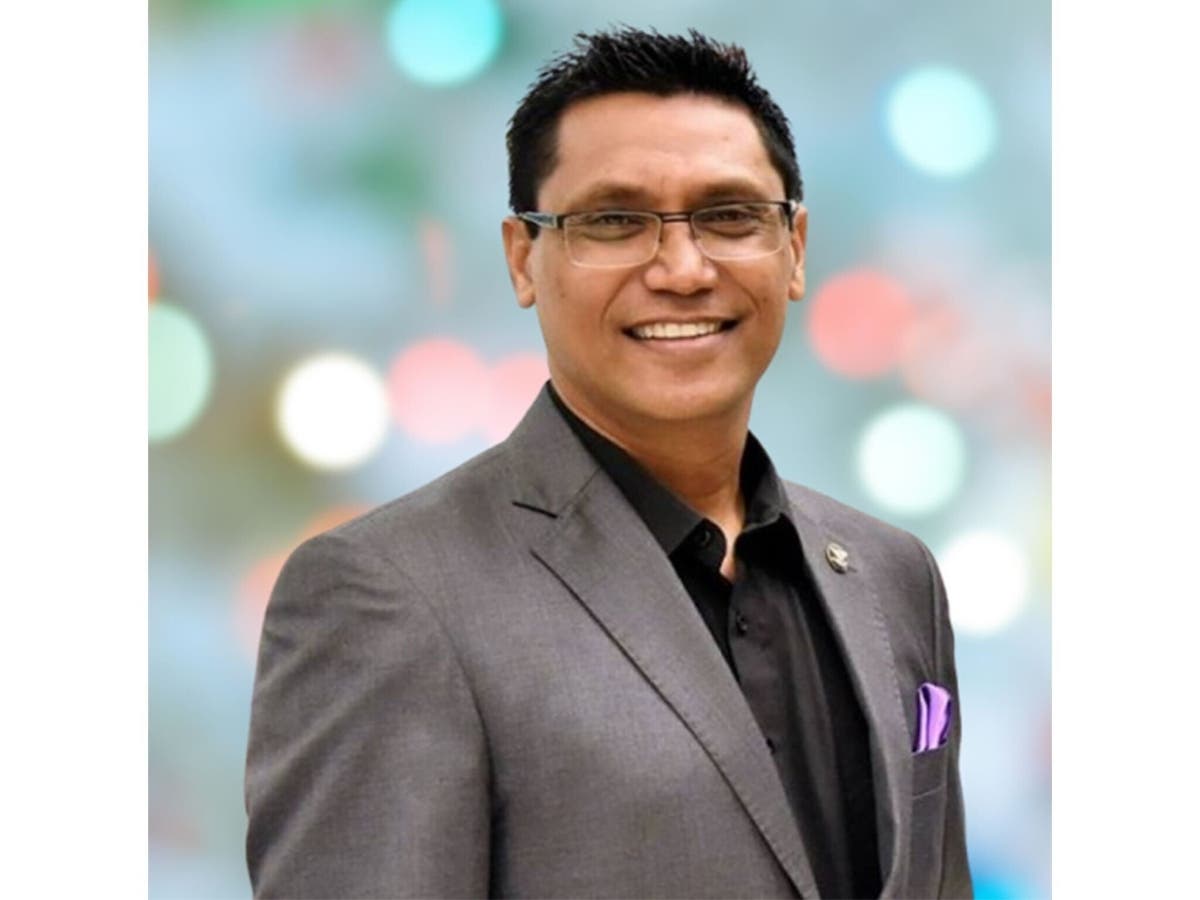
MONTGOMERY COUNTY, MD — Ahead of the primary elections in June, Patch has invited candidates running to represent the region on the Montgomery County Council to complete a questionnaire touching on a variety of key issues.
Candidate responses will be published verbatim in the run-up to the primaries on Tuesday, June 23.
Related:
Find out what's happening in Rockvillefor free with the latest updates from Patch.
Questionnaire responses for Radwan Chowdhury, who is running to serve in the at-large county position, can be found below:
Name: Radwan Chowdhury
Find out what's happening in Rockvillefor free with the latest updates from Patch.
Age: 52
Hometown: Burtonsville
Political Affiliation: Democrat
Do you have any previous political experience? If so, please state and explain how that experience will influence your time in office if elected.
Yes, I have both political and civic experience that has shaped my approach to public service. I have worked on national campaigns, including grassroots organizing efforts where I engaged directly with voters through outreach, language support, and community mobilization. This experience gave me a strong understanding of how policy impacts people on the ground and the importance of listening first.
Locally, I have served as a board member of the East County Citizens Advisory Board, was a founding member and Acting Secretary for the Fairland Master Plan Implementation initiative, and was part of the first graduating class of the Montgomery County Planning Academy, where I also contributed to developing its curriculum.
These experiences will guide my time in office by reinforcing my commitment to transparency, community engagement, and data-driven decision-making. My focus will be on building policies with the community—not just for the community—and ensuring government remains accessible, accountable, and responsive.
What do you believe is the single-most important issue facing voters in the district you’re looking to represent? How do you intend to address those issues?
The single most important issue I hear from voters is affordability—particularly housing and the rising cost of living. Families are struggling to keep up with rent, home prices, child care, transportation, and everyday expenses, and many are being pushed out of the county.
My approach, outlined in my Blueprint, is to address both costs and opportunities. I will work to expand housing supply through smart zoning reform, transit-oriented development, and the use of public land for mixed-income housing. At the same time, I will support workforce development, small business growth, and policies that increase income stability.
I will also focus on reducing cost burdens through investments in child care, transportation, and energy efficiency, while ensuring the government operates efficiently and transparently.
Affordability is not just an economic issue — it’s about stability, dignity, and whether families can build their future here. My goal is to make Montgomery County a place where residents can not only live, but thrive.
How do you differ from other candidates running against you?
What sets me apart is a combination of executive leadership experience, a clear, actionable Blueprint, and a deep commitment to transparency and community-driven governance.
I bring a track record of managing complex operations, multimillion-dollar budgets, and delivering measurable results — experience that directly translates to improving how county government performs. My approach is not just about ideas, but execution.
I am also committed to a new standard of accountability: opening my professional calendar to the public, implementing an open-door policy, hosting regular regional town halls, and creating platforms for residents to continuously shape policy decisions.
As a first-generation immigrant, I bring a perspective rooted in lived experience and opportunity, ensuring policies reflect the realities of all communities.
This campaign is not just about representation — it’s about building a responsive, transparent, and results-driven government that works for everyone.
How would your work experience benefit the goals/objectives you’ve outlined in your campaign and/or the office you’re seeking?
My professional experience directly aligns with the goals I’ve outlined in my Blueprint—delivering results through efficient, accountable, and data-driven leadership.
As a chief operating officer, I have managed multimillion-dollar budgets, improved operational performance, and led organizations through complex challenges. I understand how to align resources with priorities, measure outcomes, and ensure accountability — skills essential to managing a $7 billion-plus county government.
I have also worked across sectors, collaborating with nonprofits, community groups, and stakeholders to deliver services and solve problems. This experience will help me build strong partnerships and implement policies that reflect real community needs.
Most importantly, my work has focused on execution — not just planning. I bring a results-oriented mindset to ensure that policies translate into tangible improvements in housing, economic opportunity, and quality of life.
My goal is to bring professional management, transparency, and measurable impact to county government.
What is your opinion of the work being done by the current officeholder, and how will you improve on it?
I appreciate the commitment of current officeholders to public service and the progress made in areas like housing stability and community programs. However, many residents still feel the pace of progress has not matched the urgency of the challenges we face — particularly around affordability, economic growth, and government responsiveness.
My focus will be on improving execution, transparency, and outcomes. I will prioritize expanding housing supply, strengthening economic development, and ensuring policies are implemented efficiently and effectively. I also believe we must raise the standard for accountability — through open governance, data-driven decision-making, and consistent community engagement.
Building on what works while addressing gaps is essential. My goal is to deliver a more responsive, results-driven government that better meets the needs of all Montgomery County residents.
How do you believe Montgomery County should address data centers?
Montgomery County should approach data centers strategically — balancing economic opportunity with environmental impact, land use priorities, and community needs.
Data centers can support job creation and strengthen our tax base, but they must be located and regulated thoughtfully. I support siting them in appropriate industrial or commercial zones — not near residential communities — and ensuring they align with our smart growth principles.
We must also address their significant energy and water demands. I will advocate for strong sustainability standards, including renewable energy usage, energy efficiency, and infrastructure coordination with utilities.
Finally, transparency and community input are critical. Residents should have a clear voice in where and how these projects move forward.
My approach is to ensure data centers contribute to our economy without compromising environmental goals or quality of life.
Do you believe there should be a data center moratorium or a temporary pause? Explain.
I do not support a blanket moratorium, but I do support a targeted, time-limited pause if needed to ensure we get the policy framework right.
Data centers present both opportunity and risk. Before expanding further, the county should establish clear guidelines on appropriate locations, environmental standards, energy use, and infrastructure capacity. This includes aligning with smart growth principles, protecting residential communities, and ensuring sustainability requirements are in place.
A temporary pause — focused on specific areas or conditions — can provide the time needed to develop these standards with community input and technical analysis. However, it should not halt all progress or discourage responsible investment.
My goal is to take a balanced, data-driven approach: allowing economic development to move forward while ensuring long-term environmental sustainability, infrastructure readiness, and community protection.
Do you believe there should be data center regulations put in place? Explain.
Yes — I strongly support clear, enforceable regulations for data centers.
Data centers must be integrated into Montgomery County’s planning framework in a way that balances economic development with environmental sustainability and community impact. Regulations should address appropriate siting — prioritizing industrial and commercial zones and avoiding residential areas — as well as strict standards for energy efficiency, water usage, and noise mitigation.
I also support requiring the use of renewable energy where feasible, coordinating with utilities to ensure infrastructure capacity, and mandating transparency so residents understand the impacts of these facilities.
This approach aligns with my Blueprint’s focus on smart growth, sustainability, and accountable governance. Clear rules create certainty for responsible developers while protecting residents and ensuring long-term community benefits.
What steps would you take to offset data center impacts to residents’ standard of living, such as rising energy prices?
Data centers must not come at the expense of residents’ cost of living. Protecting affordability is central to my Blueprint.
First, I will advocate at the state level to ensure utilities do not pass infrastructure and energy costs from data centers onto residents. Large-scale users should bear the cost of the demand they create through fair rate structures approved by the Public Service Commission.
Second, I will push for strong local requirements — energy efficiency, renewable energy sourcing, and infrastructure coordination — to reduce strain on the grid.
Third, I will reinvest any increased tax revenue from data centers into energy assistance programs, efficiency upgrades, and cost relief for residents, particularly low- and middle-income households.
Finally, transparency is key. Residents deserve clear information on impacts and protections.
Economic growth should lower costs and improve quality of life — not increase the burden on working families.
How would you distinguish between a good vs. bad data center? Or do you believe no data centers should be in the county/district?
I do not believe data centers should be excluded entirely, but there must be a clear distinction between responsible and harmful development.
A “good” data center is appropriately sited in industrial or commercial zones — not near residential communities — meets strong environmental standards, uses energy efficiently, incorporates renewable power, and does not shift infrastructure or energy costs onto residents. It should align with smart growth principles, coordinate with existing infrastructure, and provide measurable economic benefit.
A “bad” data center is one that strains the energy grid, increases utility costs for residents, lacks transparency, is poorly located, or fails to meet sustainability standards.
My approach, consistent with my Blueprint, is to set clear rules that allow responsible projects while protecting residents, the environment, and long-term community interests.
Gov. Wes Moore signed bills banning agreements between local police and federal immigration officials in February. What is your opinion of the legislation?
I support the intent of this legislation because it reinforces a clear principle: local law enforcement should focus on public safety, not federal civil immigration enforcement.
The law signed by Wes Moore bans so-called “287(g)” agreements, which previously allowed local officers to act in coordination with federal immigration authorities. It was designed to protect constitutional policing and maintain trust between communities and law enforcement.
From a policy perspective, this aligns with what I hear from residents across Montgomery County — people want to feel safe interacting with local police without fear of immigration consequences. When that trust is broken, it undermines public safety for everyone.
At the same time, I believe in a balanced approach. The county should continue cooperating with federal authorities on serious criminal matters, while ensuring due process and protecting civil rights. Public safety and civil liberties are not mutually exclusive — they must go hand in hand.
As a first-generation immigrant, I understand how policies like this directly affect families. My focus will be to ensure Montgomery County remains welcoming, safe, and grounded in fairness, while maintaining strong, effective public safety systems.
What steps would you take to support or readjust that initiative?
I would support this initiative by ensuring it is implemented effectively while strengthening trust between law enforcement and our communities.
First, I would work to ensure clear guidance and training for local law enforcement so the policy is applied consistently and aligned with public safety priorities. Second, I would expand outreach through community and nonprofit partners to ensure residents understand their rights and feel safe engaging with local services.
Third, I would invest in complementary supports — such as legal assistance, mental health services, and language access — to address the broader needs of immigrant families. Finally, I would promote transparency and accountability through regular reporting and community engagement.
This approach aligns with my Blueprint’s focus on equity, public safety, and accountable governance — ensuring policies protect residents while maintaining safe and trusted communities.
What is your stance on the establishment of Immigration and Customs Enforcement (ICE) detention centers in the county and/or your district?
I do not support the establishment of ICE detention centers in Montgomery County.
Our county has long been a place that values inclusion, due process, and community trust. The presence of ICE detention facilities would undermine that trust, create fear among immigrant communities, and weaken cooperation with local institutions — including schools, health care providers, and law enforcement.
This aligns with my Blueprint’s focus on equity, public safety, and community stability. Public safety is strengthened when residents feel safe reporting crimes, accessing services, and engaging with local government — without fear of detention or family separation.
Instead, I support investing in legal representation, community-based services, and partnerships with trusted nonprofit organizations to ensure residents have access to support and due process.
Montgomery County should remain a place where all residents can live with dignity, safety, and opportunity — not fear.
What actionable plans would you undertake to address illegal immigration?
Immigration enforcement is primarily a federal responsibility, but at the county level, our role is to ensure public safety, uphold the law, and maintain trust within our communities.
My approach is grounded in my Blueprint — focused on equity, public safety, and economic opportunity. I support policies that ensure all residents, regardless of status, can safely access essential services, report crimes, and contribute to our local economy without fear.
Actionably, I will strengthen coordination with federal and state partners on serious criminal matters, while maintaining clear boundaries so local law enforcement is not used for civil immigration enforcement. I will also invest in workforce development, legal support, and community outreach to ensure residents understand their rights and responsibilities.
We must take a balanced approach — upholding the law while protecting civil rights, strengthening our workforce, and ensuring Montgomery County remains safe, stable, and economically strong.
Education: What is the biggest issue facing Montgomery County Public Schools? How would you address it?
The biggest issue facing Montgomery County Public Schools is educational equity and performance gaps — combined with system-wide execution challenges.
While MCPS is a strong district overall, there are persistent disparities in academic outcomes between student groups, particularly affecting low-income students, English language learners, and students of color. At the same time, the system is dealing with operational challenges — aging infrastructure, overcrowded schools, staffing shortages, and past management failures that have diverted focus and resources away from student outcomes.
My approach, aligned with my Blueprint, is to focus on early intervention, accountability, and targeted investment.
First, I will prioritize early childhood education and literacy — ensuring every child is reading at grade level by third grade. Second, I will support targeted resources for underperforming schools, including tutoring, mental health services, and expanded learning time. Third, I will push for stronger accountability and transparency in how funds are used, ensuring resources reach classrooms effectively.
We must also invest in modern facilities and support teachers to retain top talent.
This is about ensuring every child — regardless of background — has a fair opportunity to succeed.
A student brings a gun/weapon to campus without setting off any red flags. What security measures would you advocate for to prevent such an incident?
Preventing weapons from entering schools requires a layered, proactive approach that focuses on both prevention and response.
First, I would strengthen early intervention systems — ensuring schools have the resources to identify and support students in distress through counselors, mental health professionals, and threat assessment teams. Prevention starts with addressing root causes before incidents occur.
Second, I support enhanced, age-appropriate security measures such as controlled access points, visitor management systems, and, where appropriate, technology like weapons detection systems in high-risk settings — implemented thoughtfully to avoid creating a prison-like environment.
Third, I would ensure strong coordination between schools, families, and law enforcement, with clear protocols and training.
Finally, I would invest in safe school infrastructure and ongoing safety audits to identify gaps.
My approach is to create safe, supportive learning environments — where security measures are balanced with student well-being and trust.
Do you believe schools need stricter security measures? Metal detectors? Move away from CEOs and revert to SROs? Explain.
School safety requires a balanced, layered approach — one that protects students while maintaining a supportive learning environment.
I support targeted, data-driven security enhancements, but not a one-size-fits-all approach like universal metal detectors. In certain high-risk settings, technology such as weapons detection may be appropriate, but it should be implemented carefully to avoid creating a punitive or prison-like atmosphere.
I do not believe the solution is simply reverting to traditional school resource officers across all schools. Instead, we should prioritize a holistic model that includes trained safety personnel, mental health professionals, and strong threat assessment teams. Prevention and early intervention are critical.
My approach, aligned with my Blueprint, focuses on safety, student well-being, and accountability — ensuring schools are secure, but also inclusive and supportive environments where students can thrive.
What will you do to encourage affordable/public housing in the county?
I will take a comprehensive, supply-focused approach to expand affordable and public housing, aligned with my Blueprint’s focus on smart growth and equity.
First, I will increase housing supply by modernizing zoning to allow more diverse housing types — especially near transit and job centers — and streamlining the approval process to reduce delays and costs.
Second, I will maximize public land for public good by prioritizing mixed-income housing development, including deeply affordable units, on county-owned properties.
Third, I will strengthen funding tools like the Housing Initiative Fund and inclusionary zoning policies to ensure affordability is built into new development.
Finally, I will support public-private partnerships and nonprofit developers to scale production and preserve existing affordable housing.
Addressing affordability requires urgency and coordination — expanding supply, reducing barriers, and ensuring every resident has access to safe, stable housing.
How will you address crime in Montgomery County/your district?
I will take a balanced, community-centered approach to reduce crime in Montgomery County while ensuring public safety is equitable and preventative.
First, I will strengthen community policing and support for our school resource officers, ensuring officers are trained in de-escalation, cultural competence, and youth engagement so that every resident feels safe and heard.
Second, I will invest in early intervention programs — especially for youth — to address the root causes of crime, such as lack of access to quality education, mental health services, and after-school opportunities.
Third, I will modernize data-driven law enforcement strategies, focusing resources on high-risk areas and repeat offenders while safeguarding civil liberties and community trust.
Finally, I will collaborate with nonprofits, social services, and local organizations to expand rehabilitation, reentry programs, and diversion strategies, reducing recidivism and strengthening neighborhoods.
My approach balances accountability with opportunity: protecting residents today while building the social supports that prevent crime tomorrow, fully aligned with my Blueprint for a safer, stronger Montgomery County.
What is your stance on the "Save Wootton" initiative by community members?
I support community-led efforts like the “Save Wootton” initiative because they reflect residents’ commitment to preserving quality education, safe neighborhoods, and equitable resources. I believe we must balance growth and modernization with protecting the unique character and needs of our schools and communities.
I will work collaboratively with parents, educators, and local leaders to ensure that any proposed changes — including school zoning, programs, or facilities — prioritize student outcomes, maintain safety, and reflect the values of the neighborhood. My approach is guided by my Blueprint’s focus on smart growth, equity, and long-term community stability, ensuring that local voices are central to decision-making.
A 6% property tax increase was proposed for the fiscal 2027 budget to raise funds for schools. Homeowners are reluctant to pay more.
What is your position?
I oppose the proposed 6% property tax increase for fiscal 2027 because I believe we must fund our schools responsibly without placing an undue burden on homeowners. Montgomery County families are already facing rising housing costs, and a sudden spike in property taxes could strain budgets and limit economic stability.
Instead, I support exploring smarter, more sustainable solutions — such as targeted budget efficiencies, strategic public-private partnerships, and prioritizing funding for programs that directly improve student outcomes — so we can strengthen our schools while keeping housing affordable and families secure. My approach reflects my Blueprint’s focus on equitable growth, fiscal responsibility, and ensuring that public investment delivers meaningful results for our children and communities.
What other options would you consider to raise money that does not include raising taxes?
I believe we can strengthen funding for our schools without placing an additional burden on homeowners. To raise revenue responsibly, I would explore options such as:
1. Strategic budget realignment – Prioritizing funds for programs that directly impact student outcomes while eliminating inefficiencies.
2. Public-private partnerships – Collaborating with local businesses, nonprofits, and philanthropies to fund enrichment programs, technology upgrades, and facility improvements.
3. Maximizing federal and state grants – Aggressively pursuing all available education grants to supplement local funding.
4. Revenue from county assets – Leveraging underutilized county-owned properties and facilities for community-focused development that generates income for schools.
5. Targeted fees or service-based revenue – Implementing user-based or optional program fees where appropriate, rather than across-the-board tax increases.
By combining these strategies, we can ensure our schools have the resources they need while keeping housing affordable and protecting homeowners — consistent with my Blueprint’s focus on smart growth, equity, and fiscal responsibility.
Get more local news delivered straight to your inbox. Sign up for free Patch newsletters and alerts.