Politics & Government
Police Spend Too Much Time At Housing Authority: Task Force
A task force is set to recommend that police eliminate the police beat, but have had trouble hearing from marginalized populations there.


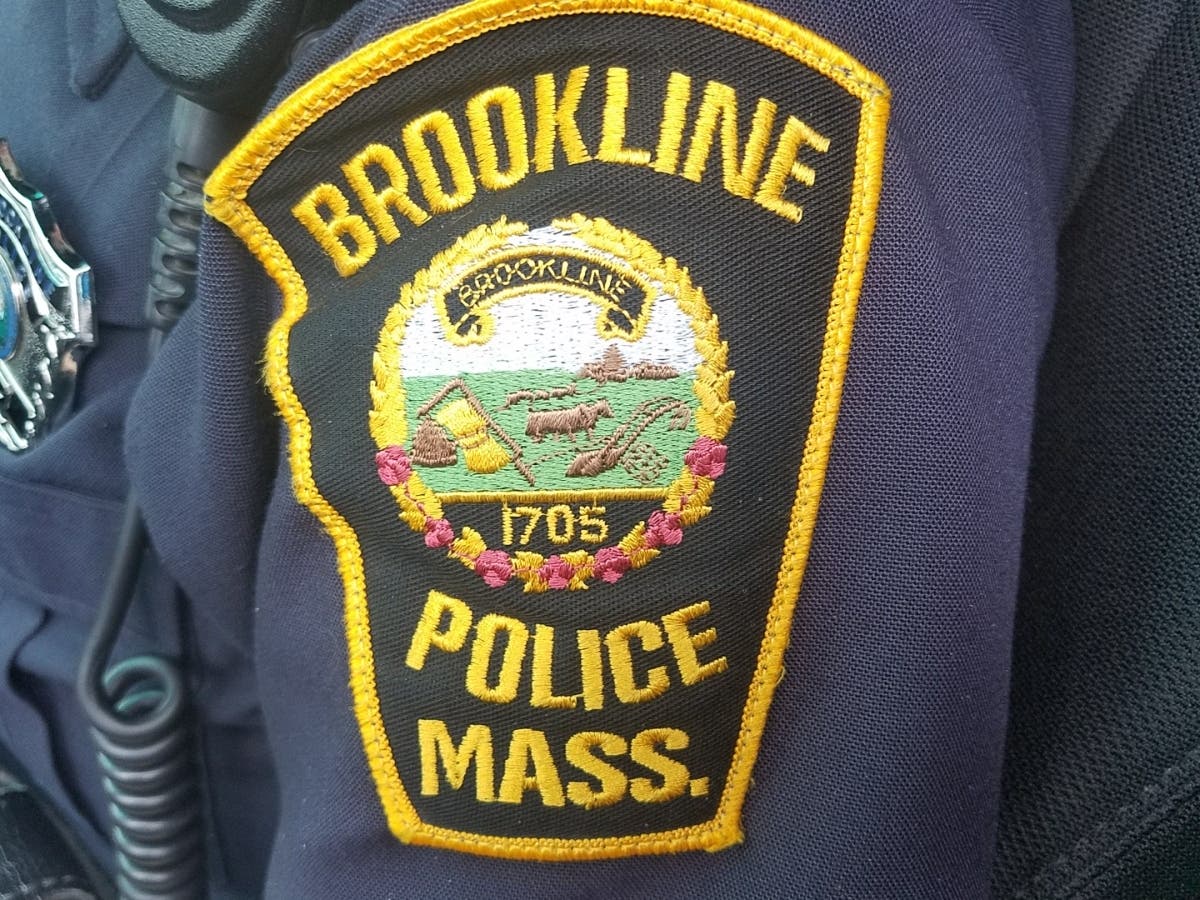
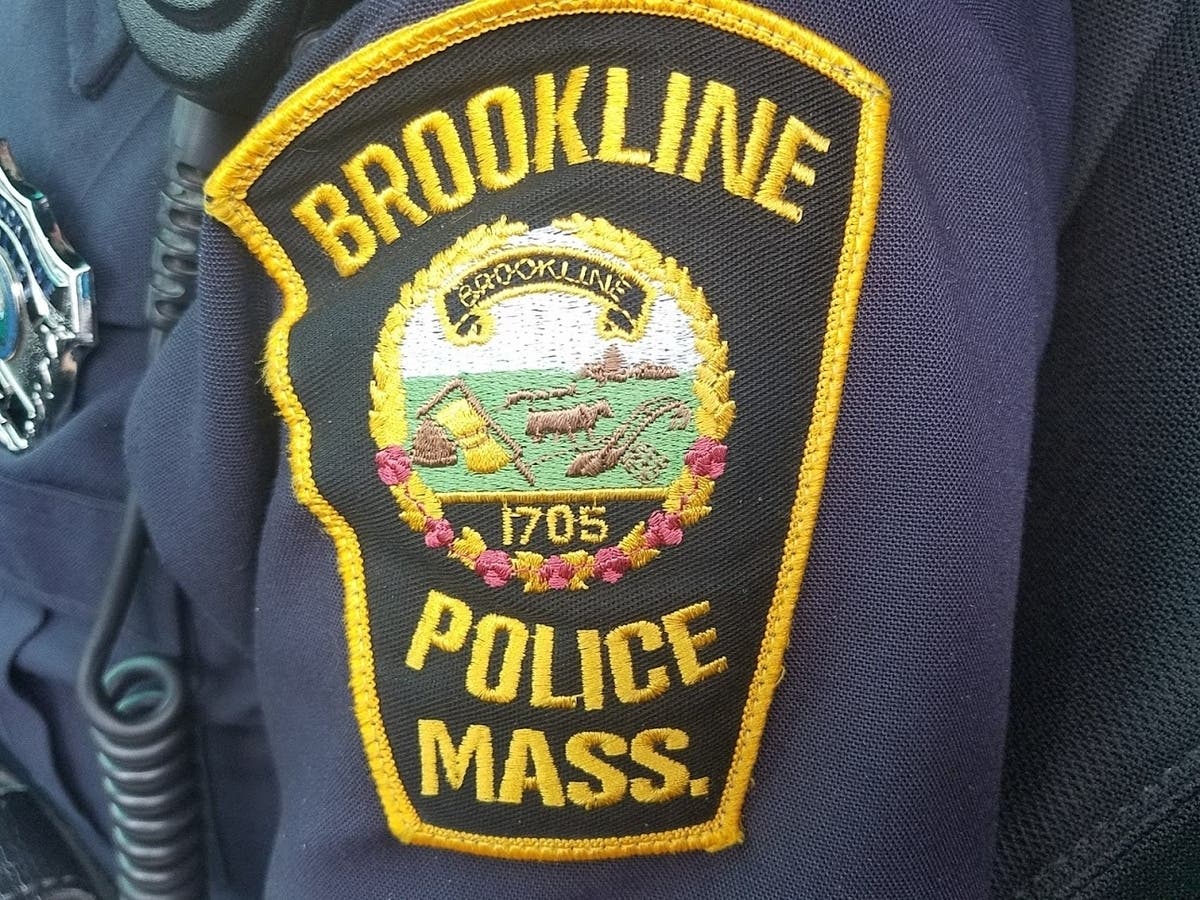
BROOKLINE, MA— A group within the town's Task Force to Reimagine Policing in Brookline is recommending that "Walk and Talk" police officers be removed or slowly phased out of the Brookline Housing Authority.
The subcommittee was formed earlier this year to consider the impact of having police regularly patrolling the Brookline Housing Authority, in the wake of Black Lives Matter racial justice movement and calls to rethink the Brookline Police Department funding.
The “Walk and Talk” program was designed some three decades ago to build connections and trust between the police and people living in housing, particularly children. But the subcommittee has said that residents could be better served by special service or social workers who could achieve the same goals of problem-solving, community building and support that the police program seeks to accomplish.
Find out what's happening in Brooklinefor free with the latest updates from Patch.
A separate subcommittee found that across Brookline Latinx and Black residents reported more negative experiences than white or Asian respondents.
More than 80 percent of survey respondents said they thought social service workers should respond to mental health crises instead of police, and 64 percent said a social service worker should respond to a dispute between neighbors.
Find out what's happening in Brooklinefor free with the latest updates from Patch.
Several surveys, but limitations
But of the 70 housing authority residents who responded to the Select Board’s Committee for Police Reform survey specifically about the Walk and Talk program, only half of the respondents said they were familiar with the program or police.
Three quarters of the respondents reported feeling satisfied with the professionalism of the Walk and Talk officers, and the report says that “most residents” do not feel uncomfortable with their presence. The subcommittee, though, noted that the responses to these questions had limitations.
“Since the majority of residents who responded to the survey were above the age of 65, this primarily captures the sentiments of the older BHA residents and might not accurately reflect the thoughts and experiences of the younger residents such as families and children,” the report reads. “It was also predominantly answered by residents who self-identified as white, limiting the applicability to the more marginalized racial groups within BHA.”
Of the survey respondents, 9 percent identified as Black and 9 percent identified as Latinx. In the housing authority, 25 percent of residents identify as Black and 15 percent identify as Latinx.
The report noted that they were not sure why the responses skewed white and older, but said it could be because older members of households were more likely to fill out the survey.
“Yet without the voices of young residents’ direct participation, it is impossible to reach any meaningful conclusions about the usefulness of the W&T program from this survey,” it read.
Fear of retribution
One resident in the housing authority said at the public hearing that she hopes the police will continue to make their regular rounds.
“I hope that people are understanding if it wasn’t for the Walk and Talk program, I wouldn’t have even wanted to live here,” said Jenelle Ambroise, who has lived in a housing authority apartment for a decade.
She was the only person who identified as a resident of the housing authority and spoke at the 9 a.m. public hearing Feb. 3 billed to get resident feedback on the matter.
She said the issue for her wasn’t the officers—it was housing authority policies or practices.
Ambroise said the officers make her feel that her kids are safe when they go outside to play. She said her concern is with a housing authority policy that implies having a run-in with law enforcement could jeopardize tenancy. She said that she’s known people who are afraid of reporting domestic violence for fear of eviction.
Matthew Baronas, the assistant director of the Brookline Housing Authority, said that there are protections in place for victims and that evicting someone for being a victim of domestic violence is prohibited.
But Ambroise said people are afraid of reporting crimes because they don’t want to lose their place to live. She was the only attendee who identified herself as a housing authority resident, something she attributed to a potential fear of retribution for speaking out.
The subcommittee acknowledged this type of fear in its report.
“This hesitancy [to talk to us] in itself serves as a testimony,” it read.
Subcommittee members said they have been able to conduct three interviews with residents who actually live on housing authority property, according to the committee's draft report.
Two of the interviewees said the police made them feel uncomfortable: one said police questioned her brother and boyfriend while they were moving into their apartment, and another said she felt she was being surveilled. The other interviewee, when asked how they feel about the presence of police, responded "How much more intimidating would the police be if they weren’t building relationships with BHA residents?"
Although the Walk and Talk subcommittee members are finalizing their recommendations based on those three interviews and the comments of Ambroise, they said there should be more conversations with housing authority residents and non-authority residents to determine if the beat officers should be just removed completely or slowly replaced with other social services.
Walk And Talk Goes Back To the 1990s
Retired Chief of Police Dan O’Leary said then-Chief George Simard asked him in the 1990s to come up with a way to engage with the residents in the housing authority.
Boston and other cities had implemented ideas similar to what would become Walk and Talk, and O’Leary suggested Brookline give it a try. The housing authority director was interested, and it became a joint effort, O'Leary said.
“We knew it was critical to put the right people in there to serve as walk and talk officers, and to have the managers’ involvement as well,” O’Leary said at the Jan. 20 subcommittee meeting.
O’Leary said Simard’s Walk and Talk program was considered a success in increasing “community policing,” a theory of law enforcement that began in the second half of the twentieth century with a focus on problem-solving between civilians and officers to decrease crime.
“It was well-received,” he said. “I know the officers liked working in there.”
One Person's Experience Makes A Difference
Toward the end of the public hearing, an attendee of the online meeting asked in the chat why officers would be removed if they make people feel safe.
“If one person feels uncomfortable that makes it a negative experience, because that one person is a part of the community,” Kimberley Richardson, a member of the subcommittee and resident in the housing authority, responded.
The subcommittee is expected to submit a final report before the Task Force presents to the Select Board on March 2. A Select Board public hearing will follow on March 16 before the board votes on implementing the recommendations on March 30.
Once the report is finalized it will serve as the task force's recommendation to the Select Board, which has the authority to implement the proposals, said Select Board member Raul Fernandez, who is also chair of the task force. However, even if the Select Board votes to implement the recommendations, it could still be challenged by Town Meeting, the School Committee or police union, he said.
Editor’s Note: This article has been updated to include the results of a survey sent to the residents of the housing authority, as well as the subcommittee’s analysis of the results.
Get more local news delivered straight to your inbox. Sign up for free Patch newsletters and alerts.