Schools
Coronavirus: How Medford Schools Are Responding
While the risk to the public remains low, a top CDC official said it's only a matter of time before the virus spreads across the U.S.


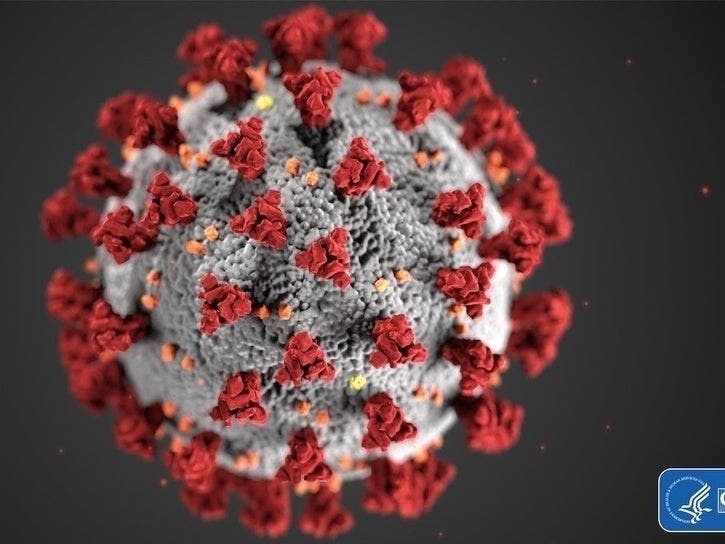
MEDFORD, MA — The Medford Public Schools issued a statement Friday in light of recent coronavirus developments. Dr. Nancy Messonnier, director of the CDC's National Center for Immunization and Respiratory Disease, told reporters in a conference call this week the question is no longer if the coronavirus, now officially called COVID-19, will spread across the United States but when that will happen. While it is a public health concern, the organization emphasized that the immediate risk to the general public remains low.
School officials reminded the public they responded to swine flu and whooping cough outbreaks about a decade ago and assured families that nurses are knowledgable about the signs and symptoms of contagious respiratory viruses. The administration is in regular contact with the Medford Board of Health and Massachusetts Department of Public Health to stay updated about the latest coronavirus information.
Here is how the MPS is monitoring illness in its students, and how families can ensure their kids stay healthy:
Find out what's happening in Medfordfor free with the latest updates from Patch.
What the MPS will do
- Monitor student and staff health concerns and promote infectious disease prevention strategies.
- Separate and dismiss students or staff members who present with respiratory illness symptoms and ask them to remain at home until symptom and fever-free for 24 hours without medication.
- Continue to communicate with the Medford Board of Health, Massachusetts Department of Public Health/School Health Unit and pediatric health care providers in the community.
- Clean our educational spaces as we typically do during cold and flu season.
What you can do
- Avoid touching your eyes, nose, and mouth with unwashed hands.
- Practice good hand hygiene. Wash your hands often and thoroughly with soap and water for at least 20 seconds. Use Alcohol-based hand sanitizer when soap and water are not available.
- When coughing and sneezing, cover your mouth and nose with a tissue. You can also cough or sneeze into your sleeve. Throw used tissues in the trash and immediately wash your hands with soap and water for at least 20 seconds.
- Avoid sharing drinking glasses, cups, eating utensils, dishes, towels or other items. Wash these items thoroughly with soap and water after use.
- Avoid close contact with people who are sick whenever possible.
- Practice other good health habits: Clean and disinfect frequently touched surfaces at home, work or school, especially when someone is ill. Get plenty of sleep, be physically active, manage your stress, drink plenty of fluids, and eat nutritious food.
It is important to keep children home from school when they are ill. If your child has any of the following symptoms please keep them home from school until they are fever free for 24 hours without medication such as Tylenol or Motrin:
- temperature greater than 100.4
- coughing, shortness of breath
- vomiting or diarrhea
- any contagious illness such as chicken pox, strep throat or flu.
Globally, at least 80,000 people have been infected and 2,700 people have died from the new coronavirus, creating a global pandemic, according to the World Health Organization. It is spreading so quickly overseas that infectious disease experts and scientists warn there may be no way to contain it.
Find out what's happening in Medfordfor free with the latest updates from Patch.
The CDC said Monday that 53 cases of COVID-19 have been confirmed in the United States. Three dozen of the patients are among passengers repatriated from the Diamond Princess cruise ship quarantined for weeks off the coast of Japan; three patients were infected in Wuhan, China, the center of the outbreak, and the others contracted the virus while traveling abroad.
Flu Versus The New Coronavirus
The symptoms of the new coronavirus are similar to seasonal influenza, according to Johns Hopkins Medicine. Both are infectious respiratory illnesses, but they're caused by different viruses.
Both cause fever, cough, body aches and fatigue, and can result in pneumonia. Both illnesses can sometimes cause vomiting and diarrhea. Both can be spread from person to person by sneezing, coughing or talking.
Common good-health practices such as frequent hand-washing, covering coughs and staying home from work or school during the course of the illness can help control the spread of both illnesses.
Neither responds to antibiotic treatment, but both may be treated by addressing symptoms, such as reducing fever. Both illnesses can be severe enough to require hospitalization.
But there are some distinct differences between the two:
Flu is caused by several different types of viruses, while COVID-19 is caused by the new coronavirus, which is also called severe acute respiratory syndrome coronavirus 2, or SARS-CoV-2.
Johns Hopkins says there is some evidence COVID-19 could be airborne, "meaning that tiny droplets remaining in the air could cause disease in others even after the ill person is no longer near."
There is no vaccine to protect against the new coronavirus, as there is against influenza. Scientists around the world are racing to find a vaccine for the new coronavirus, although none currently exists.
A company based in Cambridge has shipped vials of its novel coronavirus vaccine to the National Institute of Allergy and Infectious Disease for further research.
Get more local news delivered straight to your inbox. Sign up for free Patch newsletters and alerts.