Politics & Government
What's Great About Melrose? Try These Four Spots
Memorial Hall, Slayton Tower at Mount Hood, Melrose Public Library and the downtown historic district make state tourism list of "1,000 great places."




State tourism officials hope that regional travel can provide a needed boost to the slow pace of economic recovery, hinging on a simple idea: there are plenty of unique attractions right under our noses.
That idea culminated last week with the unveiling of a list of 1,000 "great places" in Massachusetts, including four spots in Melrose: the Soldiers and Sailors Memorial Building (Memorial Hall), Slayton Memorial Tower at Mt. Hood Memorial Park, the Melrose Public Library, and the downtown Melrose Historic District.
Each of these Melrose destinations offers something that reflects the city's history, culture, natural beauty, and community spirit.
Find out what's happening in Melrosefor free with the latest updates from Patch.
Below, we take a look at what makes these places so special.
Memorial Hall
Find out what's happening in Melrosefor free with the latest updates from Patch.
Built in 1912 with a donation from Melrose philanthropist John C. Slayton, Memorial Hall was dedicated to the soldiers and sailors of Melrose who gave their lives during the Civil War.
Today, the grand granite building houses the Melrose Symphony Orchestra and Melrose Veterans Group, hosts performances and meetings, and serves as a center of community activity.
Kathy Pigott-Brodeur, operations manager of the hall, calls it the "hidden gem of Melrose."
Among its special features is a beautifully restored pipe organ, built in 1919 by the Austin Organ Co. of Hartford, which is so vast and heavy it caused the building to sink.
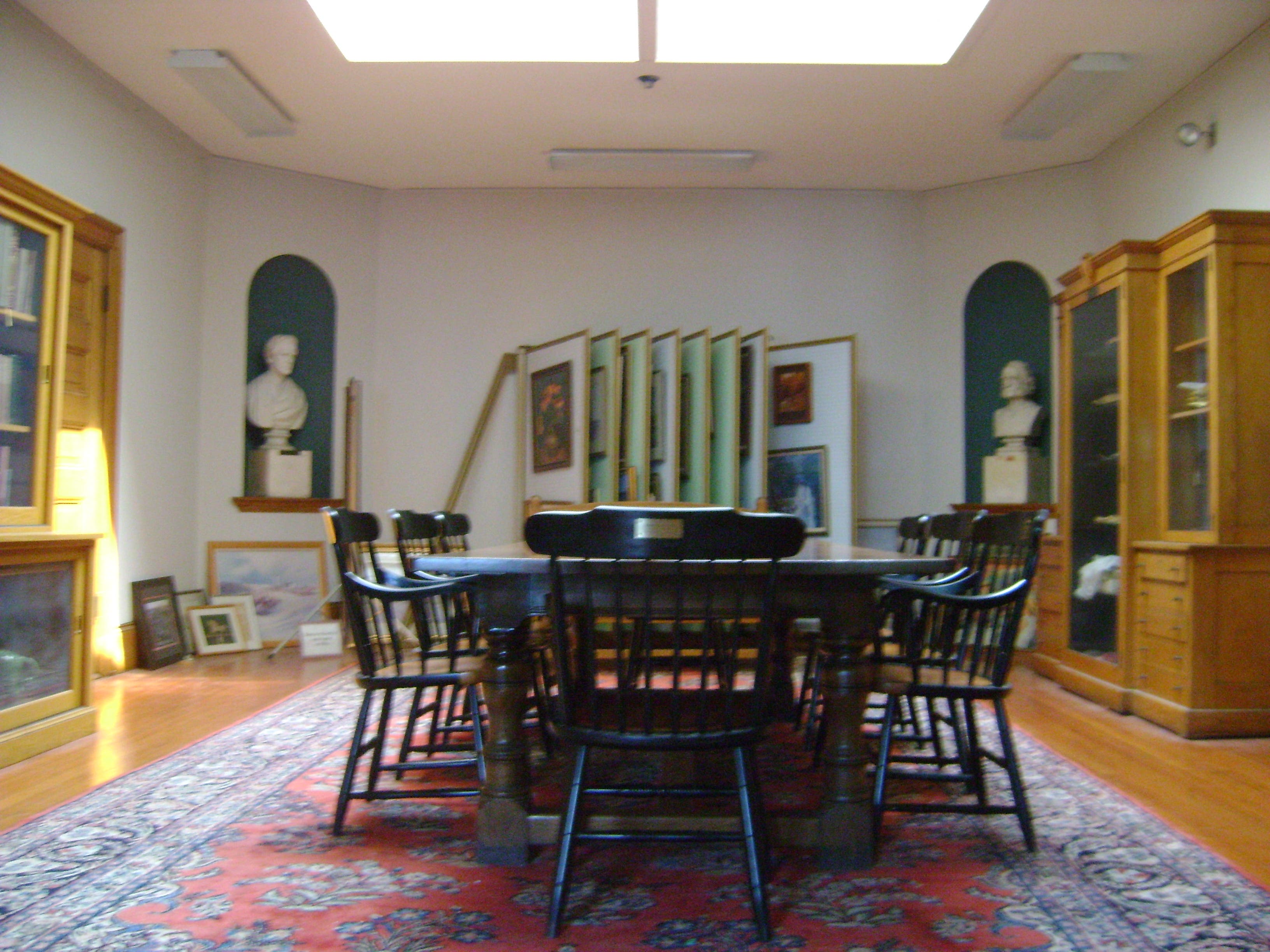
The 800-seat auditorium, with 400 original stadium seats and a 30-by-40-foot stage, is lit during the day by clerestory windows. The Grand Army of the Republic (GAR) Hall on the second floor holds paintings and artifacts, and offers space for community programs.
"It's a great facility — it's beautiful inside," Pigott-Brodeur said. "It has a unique charm that's nowhere else."
The building is now heated by natural gas and cooled in the summer by an automated climate control system.
Restoration efforts are still under way to improve the dressing rooms behind the stage. The building's basement is also prone to flooding, making storage a problem, Pigott-Brodeur said.
But the hall has ample space for the kinds of uses that bind a community. On Monday, the hall was used for a memorial service for Dina DeCecca, the Melrose mother whose tragic death on July 4 stunned the city.
On Tuesday, children participated in a recreation program on movie-making inside the GAR Hall. Free movie showings at the hall begin next month.
Slayton Memorial Tower
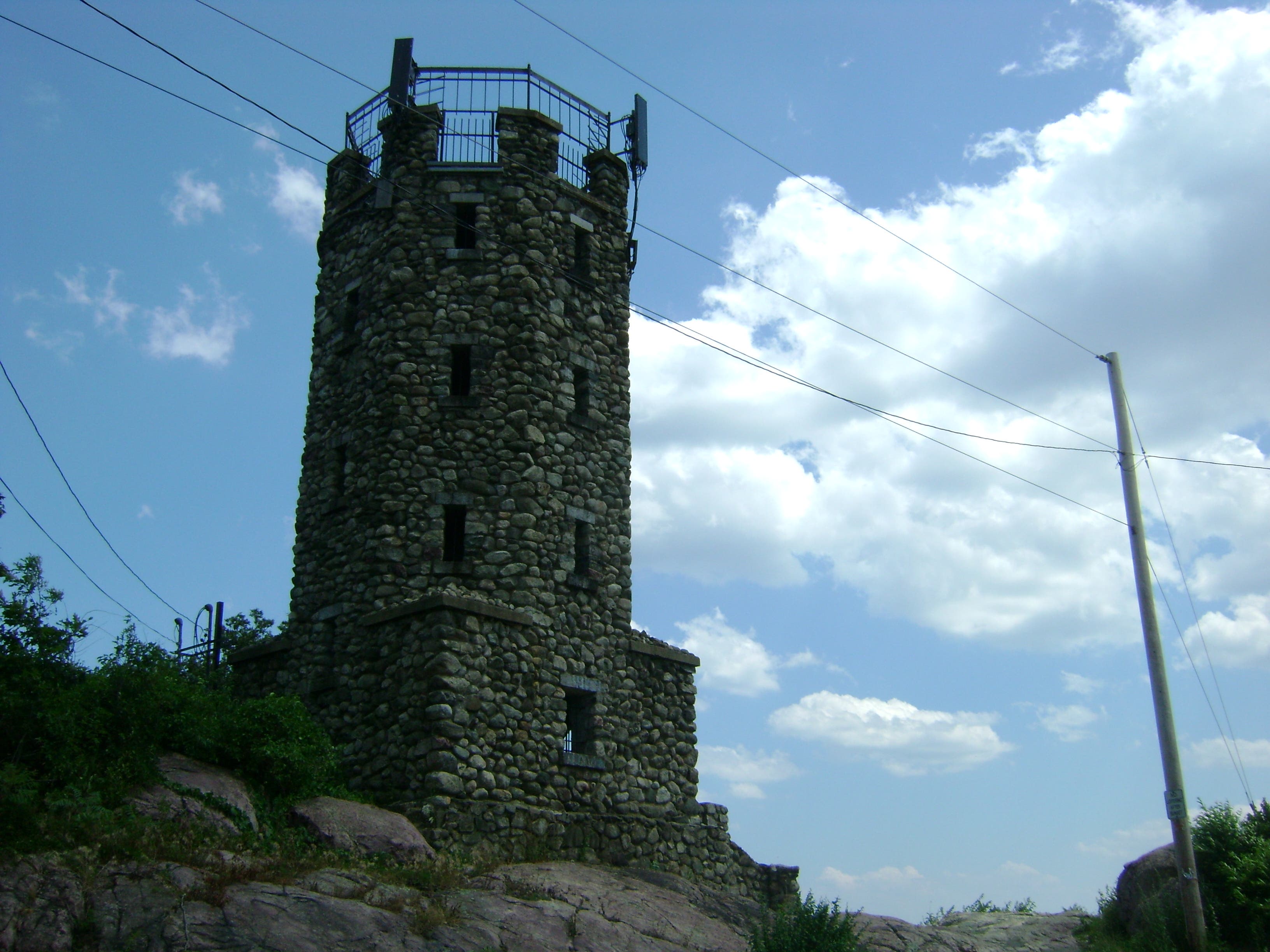
The four-story stone tower at the peak of Mount Hood offers astonishing views to the east: the Boston skyline, Revere, Nahant, and Massachusetts Bay.
Constructed in 1934 to replace an earlier tower destroyed by fire, the tower is built upon land donated to the city by John Slayton.
The surrounding public golf course and park offer serene recreation, such as fishing, hiking, and golfing in the summer months; sledding, skiing, and snowshoeing during winter-time.
On a steamy Sunday, Sean Silvestre of Everett was fishing at one of the park's many ponds, perched on a rock with his wife, Roberta, and daughter Jessi.
Silvestre said he has been coming to the park for the past 14 years, teaching his daughter to fish.
"She's 14 now, and I've brought her fishing since she was 20 months," Silvestre said. "Now she kicks my butt."
The Melrose Park Commission is considering ways to improve the park experience, including suggestions to add more picnic areas.
Melrose Public Library
Built in 1903 with a $33,000 bequest from the wealthy industrialist and philanthropist Andrew Carnegie, the Melrose Public Library's neo-classical structure was expanded with a modern addition in 1965 to include a children's room and larger stacks.
Improvements through grants in the 1990s made the library more accessible for the disabled and more energy efficient.
"I've been here 32 years, so I've seen a lot of changes," said Dennis Kelley, the library's director.
The library offers a wealth of books, CDs, DVDs, art, and information resources. There is free WiFi throughout the building and extending outside. Local history archives provide historians and genealogists with volumes of city records. There are meeting rooms for community groups to reserve.
"It's satisfying to know that other people recognize it as a special place," Kelley said. "That's what being on the list means to us."
Downtown Melrose Historic District
Intent on reviving a crumbling downtown in the 1970s, city boosters developed a plan to create the historic district in 1979.
The district includes Main Street between Emerson Street and Foster Street, extending in an irregular way to the east and west to include historic homes on surrounding streets.
Many of the city's finest public and private buildings are on this stretch of Main, including City Hall, Memorial Hall, and inter-connected brick commercial buildings now filled with boutiques and restaurants.
After nearly 30 years, the success of the downtown's resurgence has city planners hoping to expand the historic district further.
"There are movements in place to extend those borders," said Brad Hutchinson, chairman of the historic district commission.
Property owners within the district are required to seek approval from the commission before making changes to the historic buildings, and bylaws dictate things like signage in order to maintain the district's character.
Hutchinson said the commission works with business owners to enhance the area as an attraction to shoppers and new businesses.
"It's got a little town kind of feel," he said. "There are some vacancies now that we have not had for many years, but it'll come back."