Schools
Farmington Schools Creates New Complaint Process
The new policy and procedure comes after a state review of the district.
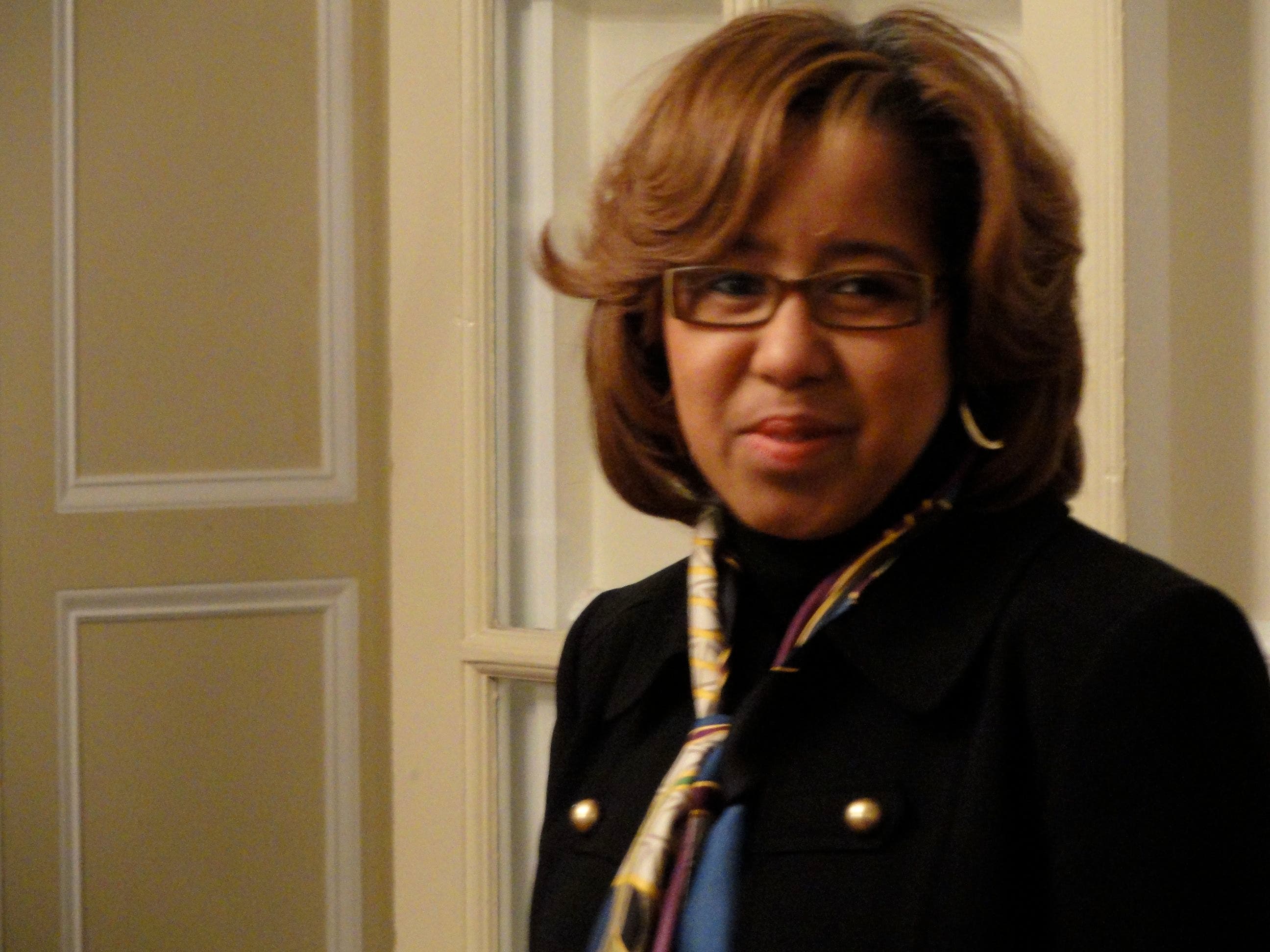
Board of Education president Sheilah Clay said she hears a common complaint: Parents, guardians and the community at large tell her that when they bring their comments and concerns about the schools to an administrator, they feel the complaint often falls “into a black hole.”
That’s going to change, said Naomi Khalil, the district's director of instructional equity. At the board's Dec. 6 meeting, she outlined a new policy and procedure for resolving complaints when the informal process, informing a school principal, doesn’t work.
The plan comes as a result of a meeting last spring, when state reviewers visited Farmington Schools, a process that’s required by federal law every five years.
Find out what's happening in Farmington-Farmington Hillsfor free with the latest updates from Patch.
The state auditors were largely pleased with Farmington Public Schools’ parental involvement, but said the district should implement a formal process for the community to have concerns heard and resolved, Khalil said.
The policy will not be used for student discipline or employee misconduct, Khalil said. Instead, it’s for general concerns over, for example, parking spaces in the school’s parking lots. The policy is very broad, so that the process can be very specific, she said.
Find out what's happening in Farmington-Farmington Hillsfor free with the latest updates from Patch.
The first step is informal: Contact with a school administrator. If that doesn’t address the problem, the second step is to document the complaint and involve the parent or community member in finding the solution. A resolution would also be documented in writing, Khalil said, “so that this paper trail has begun and the concern would be documented all the way.”
The third step would be a meeting with one of the executive directors of K-12 instruction.
“We have two parent-community coordinators and would have them assisting along the way,” Khalil said.
If additional action is necessary, the problem would be addressed by the superintendent of schools or someone the superintendent designates.
“The essence of the policy is to have parents feel they are being heard,” Khalil said.