Weather
Lightning Strikes 2 NJ Homes: Here's Why That's Dangerous
Watch the video of New Jersey homes that were struck by lightning, and what else happened during a destructive storm on Tuesday.


A destructive storm dumped more than 4 inches of rain, caused numerous flooding problems and knocked out power for more than 10,000 New Jersey customers on Thursday. But the most serious damage perhaps happened at two homes.
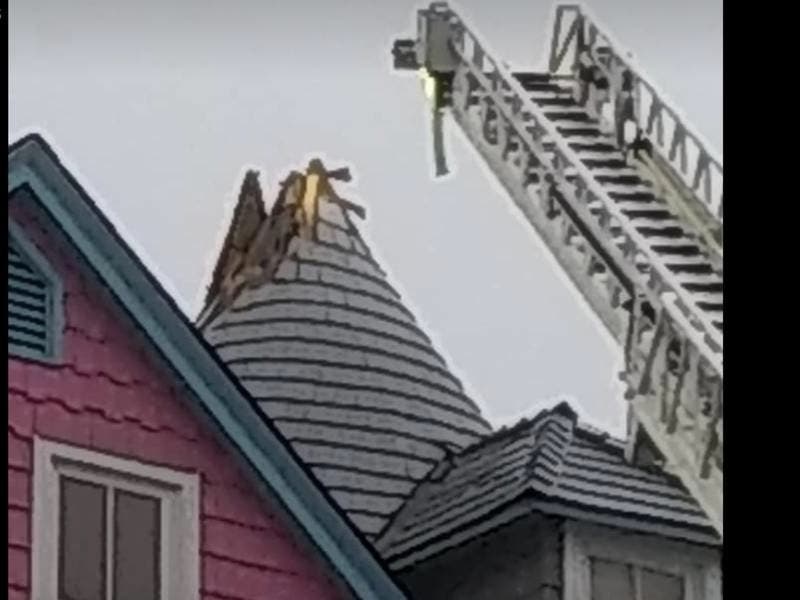
Lightning struck two New Jersey homes on Thursday, leaving visible damage that alarmed neighbors and closed nearby streets.
Both strikes happened in the same area – but recent lightning strikes in New Jersey were enough to compel state officials about the dangers of being exposed in thunderstorms.
Find out what's happening in Hobokenfor free with the latest updates from Patch.
Read more: These NJ Towns Got The Most Rain On Tuesday: Find Out Where
One of the strikes happened in Bayonne on O’Brien Court. Ave A was closed from 13th to 15th streets as residents and fire personnel tended to the damage, police said. The doorbell was scorched by the lightning, and the structure at the front doorstep was fall off.
Find out what's happening in Hobokenfor free with the latest updates from Patch.
When the building was struck, the resident heard a "crash,"according to CBS2. It caused a slight fire that spread to the doorbell.

The other incident happened in Jersey City, where Michael Beck was getting ready to paint his kitchen when a sudden flash of yellow and orange light filled the windows of his Belvidere Avenue apartment, according to nj.com.
The bolt of lightning struck Beck's three-story building, causing significant damage to the siding of the third-floor unit, according to nj.com. The lightning left him without power for about 15 minutes.
"I look out the window and it's coming from around the corner here. I go to the other window and I see the hole in the wall in the siding," Beck told the publication.
In April, lightning struck a prominent hotel and restaurant in Bay Head during thunderstorms that flooded the Point Pleasant area, according to fire officials. The Mantoloking Fire Department and the Barnegat Bay Island Facebook page shared photos of the lightning strike, which took off a piece of the roof of the Grenville.
With more people enjoying outdoor activities in the warm weather, the New Jersey Department of Community Affairs Division of Fire Safety is reminding residents of steps to take to stay safe from lightning strikes.
“The men and women of our local career and volunteer fire services are commonly called upon to render aid in the middle of thunderstorms,” said Richard Mikutsky, director of the New Jersey Division of Fire Safety and acting state fire marshal. “While first responders are well familiar with the life-threatening nature of lightning strikes during storms, we want to ensure the public is aware of lightning safety.”
The National Weather Service reports approximately 25 million cloud-to-ground lightning flashes each year in the United States, each in turn striking nearly 300 people annually. Of that number, an average of 30 fatalities result. Those injured can suffer lifelong neurological disability.
The Division of Fire Safety advises to “go indoors when thunder roars” because when you can hear thunder, lightning is nearby enough to pose a real hazard. In fact, lightning can strike as far as 10 miles away from any downpour. Many fatalities occur either immediately before or immediately after a thunderstorm sweeps through an area.
“Don’t be fooled by clear skies,” said Mikutsky. “If you hear a loud thunder clap, you are at risk. Move inside immediately.”
The Division of Fire Safety recommends the following safety tips should residents be caught unaware by a fast-moving thunderstorm:
- Avoid open areas. Don’t be the tallest object in the area.
- Stay away from isolated tall trees, towers or utility poles since lightning tends to strike the taller objects in an area.
- Stay away from water or wet items and metal conductors such as wires or fences. Water and metal do not attract lightning, but lightning can travel long distances through them.
- If you are with a group of people, spread out. While this increases the chance that someone might get struck, it prevents multiple casualties, and increases the chances that someone could help if one person is struck.
- Stay off corded phones. You can use cellular or cordless phones.
- Do not touch electrical equipment such as computers and televisions. However, you can use the remote control.
- Stay off porches and away from windows.
- Statistically lightening can strike twice in the same place, so beware.
YouTube photo/video
Get more local news delivered straight to your inbox. Sign up for free Patch newsletters and alerts.