Health & Fitness
Move Over, It's the Law: Statute Designed to Protect Emergency Responders
Do you know what to do when you encounter an emergency vehicle on the side of the road? Do you move over, slow down or simply speed on by?
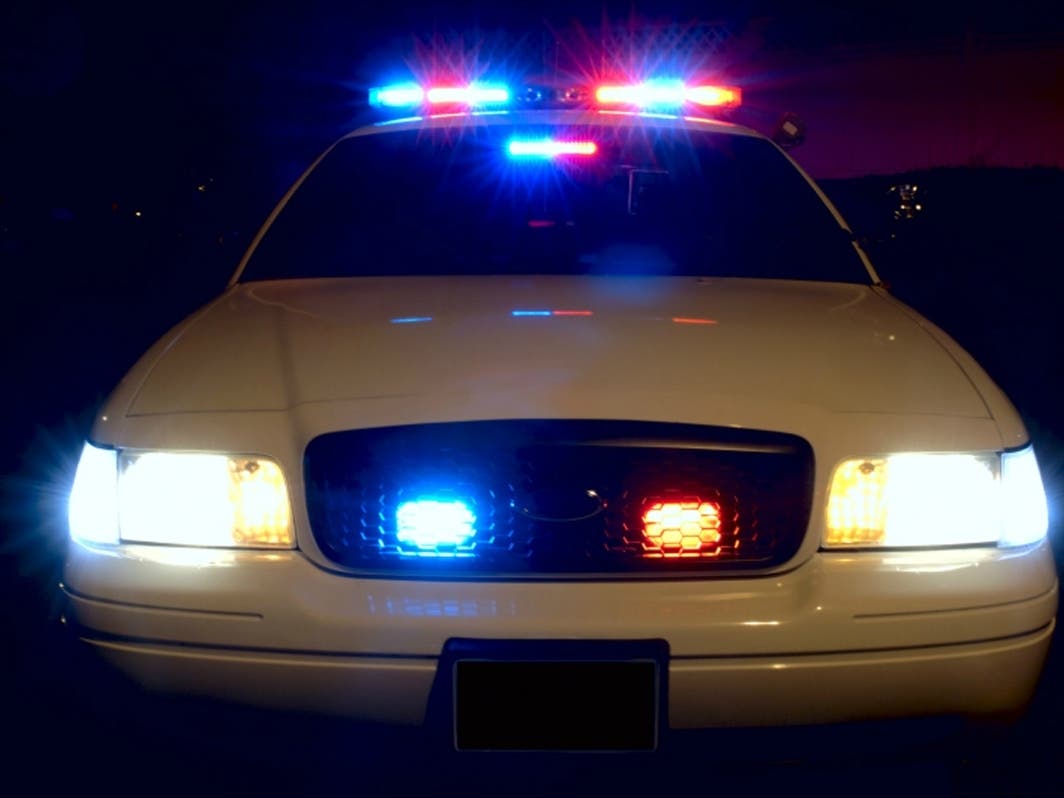
Who knew that last week’s post discussing the rules for driving in a funeral procession would generate so much buzz? While it’s something that all of us will do at some point in our lives (hence the reason why it struck such a chord for so many), there’s another far more frequent on-the-road experience that also tends to trip up motorists. I’m referring to emergency vehicles. Do you know what to do if you encounter one on the side of the road?
According to New Jersey’s two-year-old “Move Over” Law, drivers are required to move over into another lane away from police, fire and rescue rigs as well as tow trucks and other highway safety vehicles that may be rending assistance (or a warning or ticket in the case of the police) on the side of the road. If you can’t change lanes (one isn’t available or traffic is coming in the opposite direction), the law requires you to drive below the posted speed limit or risk a ticket. The fine, incidentally, is hefty -- $100 to $500. But the offense doesn’t carry any points.
This past Friday, officials from the NJ Division of Highway Traffic Safety, NJ DOT and State Police held a press conference in South Brunswick to call attention to the law. South Brunswick police officers, by the way, stopped 680 drivers over a one week period for failing to move over for emergency vehicles. While motorists were issued warnings and educational information, South Brunswick Chief of Police Ray Hayducka noted that next week they’ll be handing out tickets.
Find out what's happening in Long Valleyfor free with the latest updates from Patch.
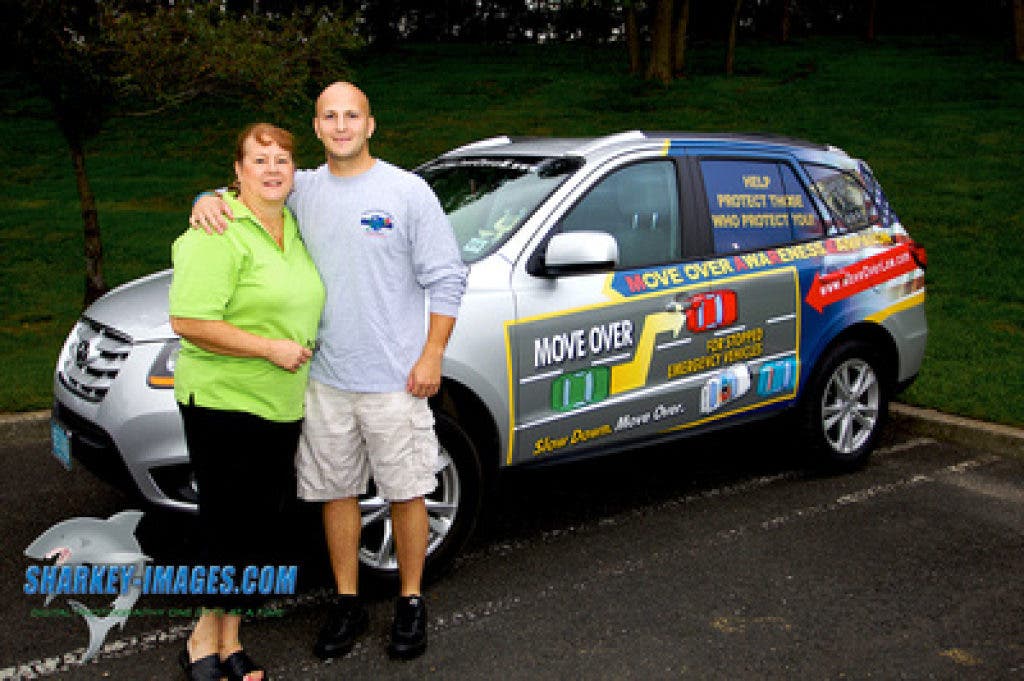
Now you could easily argue don’t police have better things to do than stop motorists who fail to move over? Donna Setaro doesn’t think so (and I have to agree with her). You see she lost her son, NJ State Trooper Marc Castellano, in 2010 when he was hit by a car while standing on the shoulder of I-195 in Central Jersey. Marc, just 29 at the time of his death, is one of more 150 law enforcement officers who, since the late 1990s, have been killed after being struck by vehicles along the nation’s highways.
Working with State Police, Donna has developed an awareness program dubbed MARC (Move over AwaReness Campaign) that she’s delivering to students in driver education classes and adults in community groups across the state. There’s clear evidence (heck, look what happened last week in South Brunswick) that this initiative is needed. Donna pointed out in a recent Star-Ledger story that about 70 percent of the audiences she addresses don’t know the law. Ensuring that all motorists -- from the newest to the most experienced -- know of and abide by the law is essential for ensuring the safety of the thousands of emergency response personnel throughout the state, many of whom are civilian volunteers. If you’re affiliated with an organization that welcomes speakers, please invite Donna to address your group. (Contact the NJSP School & Traffic Safety Unit at 609-882-2000, X2844.)
Find out what's happening in Long Valleyfor free with the latest updates from Patch.
Here’s a quick recap of the Move Over Law (be sure to check out the PSA developed several years ago to illustrate motorists’ duties) that I hope you’ll discuss with all the drivers in your house. If you approach an emergency vehicle (police, fire, EMS, tow truck, highway maintenance) displaying flashing red or amber lights, give the personnel space to work by moving over into another lane. If you can’t do that, reduce your driving speed to below the posted limit. You should also be prepared to stop, if necessary.
Finally, remember that emergency responders are there to help. Give them the space they need, so they can work safely. After all, the next call they receive for help could be from you!