Kids & Family
Be Cautious At Beach, Pool After 34 NJ Drownings In 2017: Video
See how quickly a toddler can gain access to a pool, even one thought to be secured; experts offer safety reminders.


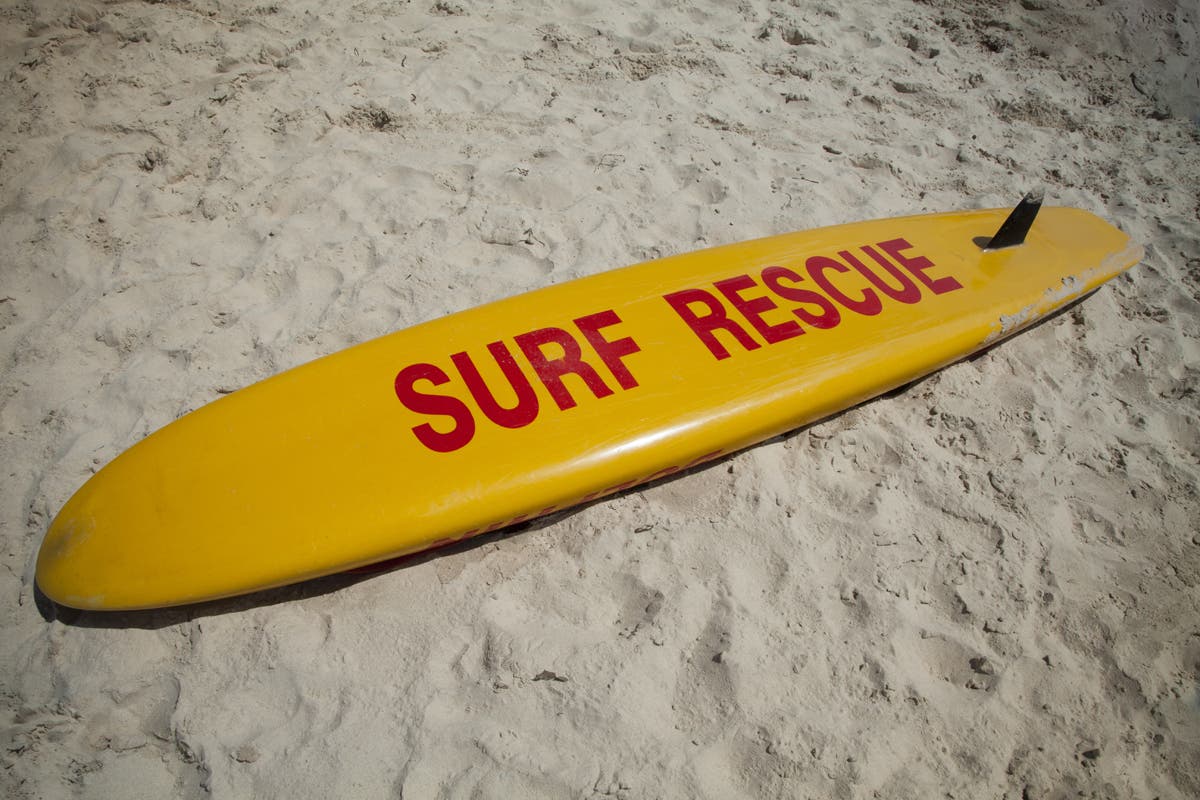
Dr. Robert Sweeney runs on the boardwalk in Belmar as part of his fitness routine and each time he goes, he passes it: a memorial, marking the portion of the beach where Emily Gonzalez-Perez and her cousin, Mitzi Hernandez, lost their lives in a rip current.
"You just can’t get over the tragedy," said Sweeney, the medical director of the emergency department at Jersey Shore University Medical Center in Neptune, where the two Belmar girls — Emily was 12, Mitzi 13 — were taken after they were pulled from the water at Belmar's Ninth Avenue beach last June.
The two girls were in the water at an unguarded beach with no parents around just days before the end of the school year. They were one of the most heartbreaking tragedies of the summer of 2017, where the headlines about swimmers pulled from rip currents, children dying, and people drowning seemed to come every week.
Find out what's happening in Toms Riverfor free with the latest updates from Patch.
In all, Patch reported on 34 water-related deaths last summer in New Jersey. Those who died ranged from a 2-year-old child in Galloway Township who died after being pulled from a pool in July to a 64-year-old avid swimmer who drowned in Lake Hopatcong. In addition, there were scores of rescues, near-drownings and reports of heroism, such as that of Central Regional student Nikolas DeVoe, who along with friend Thomas Picurro helped pull three men out of a rip current in Seaside Heights in June.
"We get a lot of people at the beach who have no experience in the water whatsoever," Sweeney said. "Before you know it, they're in over their heads or in a situation they can't get out of."
Find out what's happening in Toms Riverfor free with the latest updates from Patch.
Jersey Shore University Medical Center in Neptune, a Level II trauma center that treats hundreds of critically injured people each year, sees many cases each year involving not only drownings but people who get seriously injured in ways that are preventable, Sweeney said. That's why Hackensack Meridian, the parent corporation of Jersey Shore, has launched media campaign this year, trying to remind people to exercise caution around the water.
"I’ve seen such horrific tragedy because of people not paying attention," Sweeney said.
(A video making the rounds on Facebook shows how quickly a toddler can get into trouble, even when it appears things are secured. Check it out at the bottom of the article.)
Sweeney sees a combination of factors at play. People who have taken swimming lessons or who have had their children take lessons get overconfident in their abilities to swim, especially in the ocean, and they become less vigiliant, believing everyone is equipped with the skills they need.
"Being able to swim in a pool is not the same thing as swimming in the ocean," Sweeney said. Water temperaatures — particularly in the early part of the season, where the water at the beach hovers in the low 60s — can cause hypothermia. The beaches at the Jersey Shore also have changed drastically because of Superstorm Sandy and the nor'easters that seem to arrive with increasing frequency.
"An area that used to have a slow slope, now you can be wading and step off and be in deeper than you need to be," Sweeney said. People do not know how to identify rip currents to avoid them, and when they do get caught in one, the panic that sets in makes it hard for people respond rationally when they get caught in one.
"Even as much as you tell people (what to do), in a panic no one remembers because they are panicking." Sweeney said.
"People see surfers and assume the water is OK when it may not be," he said.
RELATED: Rip Currents At The Jersey Shore : How To Spot, Avoid, And React
Around pools, whether it's a backyard pool or a community pool, people don't watch children closely enough.
"Don’t let toddlers be around a pool unsupervised," Sweeney said. "Someone has their eyes on the toddler all the time." He recommends assigning an adult to each child to keep an eye on them. "Don’t assume someone is watching," a rule he said should be applied at the beach, at a lake or in the backyard.
The risks aren't just of drowning, however, Sweeney said. Diving into waves, body surfing and diving into lakes or swimming pools cause life-changing spinal injuries far too often.
"Every year we see several significant injuries with paralysis," Sweeney said, because people dove into water that wasn't as deep as they thought it was and didn't have their hands out to feel the bottom before hitting it head-first. "They wind up being devastating injuries," he said.
Hackensack Meridian and the U.S. Lifesaving Association, which have teamed up to try to get the message out and remind people to be safe at the ocean, lake or poolside at home, offered the following reminders on being safe around the water:
- Learn to swim. If you can’t swim an overhand stroke for at least 15 minutes, you should probably think twice about going into the ocean.
- Never swim alone. Always swim with a buddy.
- Always swim near a lifeguard. Never swim after hours when the lifeguards are not on duty because even if you're with a friend, you can't always count on them being able to save you.
- When first arriving at the beach, check with the lifeguards about rip currents or other hazardous conditions and always follow their advice.
- If you get caught in a rip current, don’t fight it. Wave for help and swim parallel to the shore.
- Never dive or jump from a pier or jetty.
- Never run into the ocean and dive into the wave as you could injure your neck.
- If you have been drinking alcohol or using drugs, don't swim. Being even a little bit impaired can affect your ability to get yourself out of trouble.
- Supervise children; assign one adult to each child with the responsibility for watching that child, whether you're at the beach, a lake or the pool. Do not expect the lifeguards to be watching your child every second, and remember that it only takes a few seconds for a tragedy to occur.
"What worse tragedy can there be than losing a young person from something preventable?" Sweeney said.
See how quickly things can get dangerous with curious toddlers:
Image via Shutterstock
Get more local news delivered straight to your inbox. Sign up for free Patch newsletters and alerts.