Community Corner
Taking Control of Your Springtime Allergies
Read some tips to help manage seasonal symptoms


Spring is unmistakably in the air. A relief for many.
For others, not so much.
To those who suffer from seasonal allergies, those first blooms of spring bring with them the yearly onslaught of pollen, ragweed, mold and other allergens.
Find out what's happening in Westwood-Hillsdalefor free with the latest updates from Patch.
Symptoms of allergies include heavy-headedness, sinus pain, headache, rash, itchy eyes and throat, ear pressure, runny nose, nosebleeds, cough, wheezing and exhaustion. Imagine having a terrible cold....that never quite goes away.
Not pretty.
Find out what's happening in Westwood-Hillsdalefor free with the latest updates from Patch.
While people tend to minimize the discomfort of allergies, the symptoms can be chronic and debilitating, affecting work performance as well as family and personal relationships.
Pollen is a particularly tough springtime foe. Budding plants and flowers spray powdery granules into the air which are used for pollination. Pollen is spread far and wide by winds and the pollen count usually varies at different times of the day.
Weeds, trees and grass are other common allergic triggers for many. All of these particles get into the air and travel easily into the home environment, even attaching themselves to dust particles.
Dust is a primary cause of allergies and its particles can contain a witches-brew of irritants, such as insect droppings, pet dander, skin particles, food particles, mold spores and bacteria.
As the air becomes warmer, mold particles increase. Mold breeds ferociously in damp weather, so those April showers often bring on far more misery than an umbrella can protect you from.
Many common trees (some of which begin pollinating as early as February) also create respiratory challenges for those who are allergic. Some of the usual suspects include: maple, walnut, ash, birch, olive, elm, oak, sycamore, poplar and hickory trees.
Obviously, it is very difficult to avoid airborne triggers without sealing yourself into a bubble. But there are many ways to help reduce the impact of spring-induced allergies:
- Exercise Indoors.
Pollen is usually strongest in the early morning. Adjust your exercise routine to avoid strenuous activity (such as biking or jogging) in the early hours of the day. - Keep the car windows closed
Pleasant as it may be to drive with the windows open, irritants are blown directly into your face. Keep air-conditioning on (even in spring) and windows shut. - Have someone else mow the lawn. Stay indoors and keep the windows of the house shut while they do! In our area there are many experienced landscapers to choose from, including , and .
Request that excess grasses are disposed of in sealed plastic bags. Do not spend time on lawns, golf courses, baseball fields, etc., which have recently been mowed. - Dust frequently
If you do it, be certain to cover your mouth and nose with an inexpensive, disposable mask that permits you to breathe but minimizes the inhalation of dust particles. (, , usually have masks on hand).
Use disposable surgical gloves to dust, which can be picked up at the same venues, and be extra-careful not to touch your nose, eyes or mouth. Dust with damp paper towels (not old rags) and do not reuse.
If you opt for having someone else do the dusting, give a call. They offer a free estimate, a thorough cleaning and best of all, you don't have to breathe in allergens. - Keep Pets Clean.
Dogs and cats easily bring pollen and mold particles inside. When reentering the house, give those paws a wipe with a damp paper towel, along with the coat's surface. While this is somewhat helpful, it is important to groom your pet's regularly during allergy season. Ring up Flying Fur, a mobile cat and dog grooming service. They'll come right to your door and use their expertise to keep your pet comfortable while being bathed (and de-pollinated!). - The Neti Pot.
While it's been called the "nasty" pot, this simple long-nosed teapot-like container can irrigate sinuses that are inflamed by allergens, cleaning away bacteria and infection-causing mucus trapped in the area. Learning how to use a Neti Pot takes a few minutes and a bit of practice, but many people use it regularly for relief. Neti pots can be purchased at , at prices starting under $20. - Immunology injections.
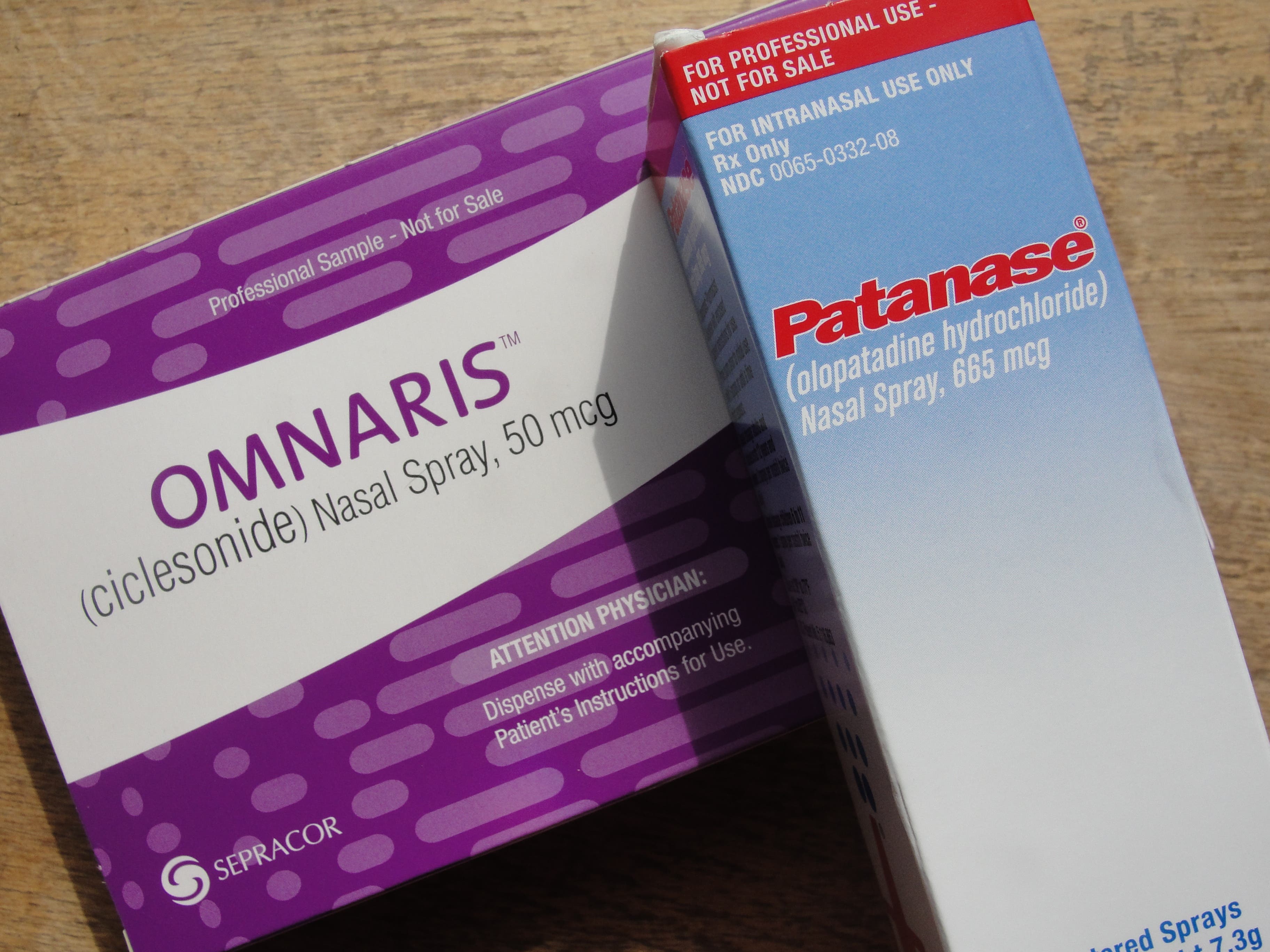
A complete lifesaver for some, immunology therapy exposes the patient to small amounts of what they are reactive to, enhancing the body's natural immunity. Allergy testing is followed by injections over a specified time period, often coupled with medication and nasal sprays.
To locate a trained allergist in the Washington Township/Westwood area, check out Avvo's online medical directory and ratings.
Spring is a lush, beautiful time of year. While it takes some work to keep allergies in check, it's well worth it to be able to enjoy the season.