How to Process Cotton Stalks into Biomass Pellets
Cotton farming produces large amounts of stalk residue after harvesting. In many agricultural areas, these stalks are burned, left in fields, or treated as low-value waste. Pelletizing provides another option by converting the fibrous material into a denser and easier-to-handle biomass fuel.
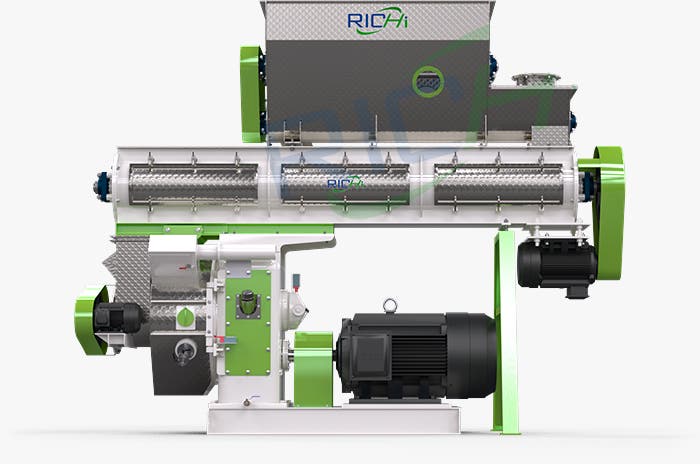
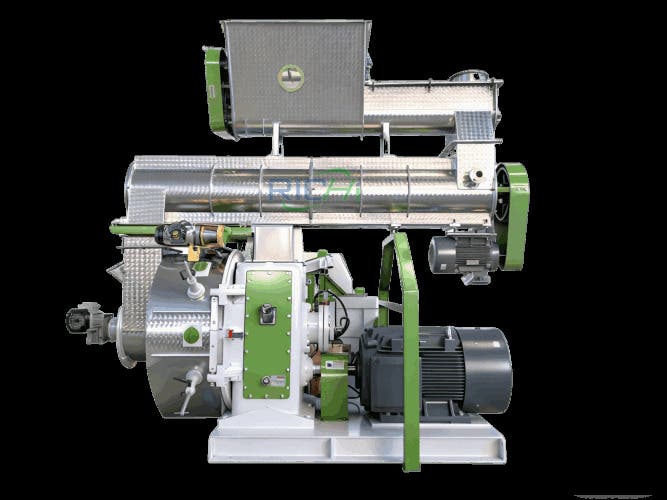
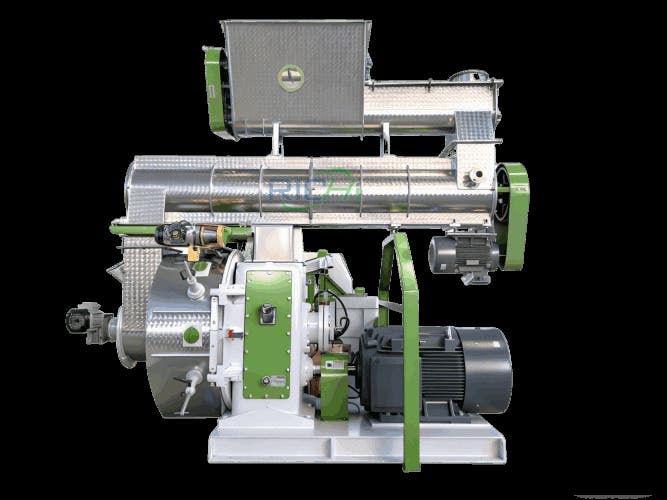
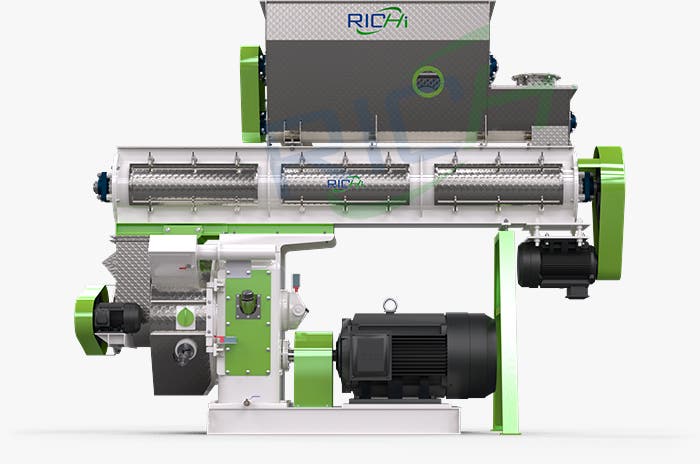
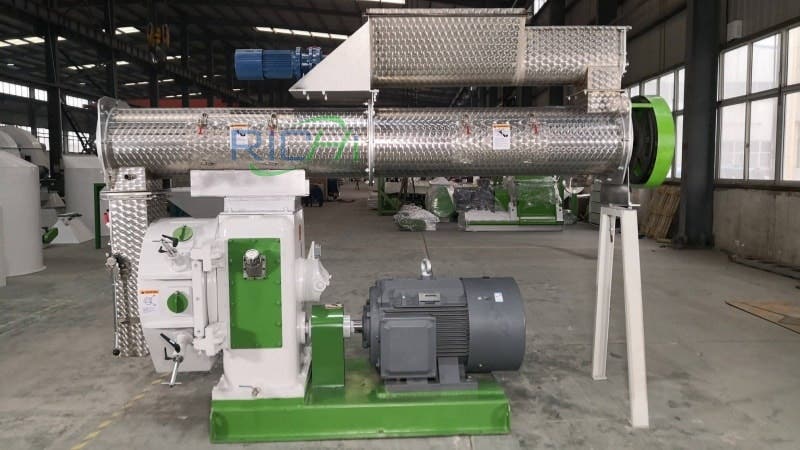
A properly configured cotton stalk pellet machine can process prepared cotton stalks into uniform pellets for heating systems, boilers, and other biomass fuel applications.
Why Cotton Stalks Need Preparation
Freshly collected cotton stalks are usually not ready to enter the pelletizing process directly. They may contain excessive moisture, long fibers, dirt, and oversized pieces.
The first step is therefore to prepare the raw material.
Large stalks can be chipped or crushed into smaller particles. If the moisture content is too high, drying may also be required. The objective is to create a relatively consistent material stream before pelletizing.
This preparation stage has a direct effect on production stability. If the material size changes significantly or contains too much moisture, feeding and compression can become less consistent.
From Agricultural Residue to Fuel Pellets
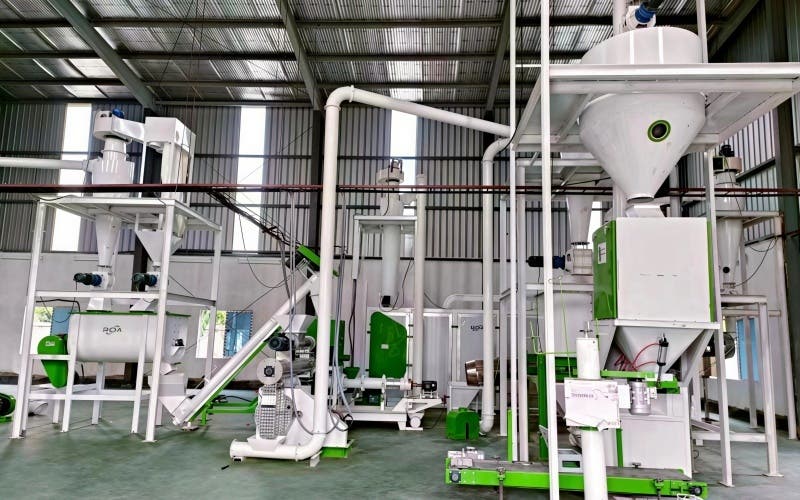
A typical cotton stalk pellet production process can include several stages:
- Raw material collection
- Chipping or crushing
- Drying when required
- Fine grinding
- Pelletizing
- Cooling
- Screening
- Packing or bulk storage
The exact configuration depends on the condition of the cotton stalks and the target production capacity.
For example, a small agricultural operation may use a relatively simple system with manual feeding and packing. A commercial biomass producer may require automatic conveying, continuous drying, cooling, screening, and packing.
What Makes Cotton Stalk Pelletizing Different?
Cotton stalks are fibrous agricultural residues rather than conventional wood materials. Their structure can vary according to harvesting methods, storage conditions, and moisture content.
This means the production parameters should be selected according to the actual material instead of simply copying a standard wood pellet process.
The crushing system needs to produce particles suitable for pelletizing without creating unnecessary energy consumption. Drying must also be controlled carefully because both excessive moisture and excessive drying can affect pellet formation.
For comparison, a 5T/H straw pellet millalso handles fibrous agricultural residues, but straw can have different fiber characteristics and moisture conditions. Equipment selection should therefore consider the specific raw material being processed.
What Capacity Should You Choose?
Production capacity should be based on the amount of cotton stalks available rather than an arbitrary target.
A farmer with seasonal residue may not need a large commercial plant. A biomass fuel producer located near several cotton-processing areas may have enough material to justify continuous high-capacity production.
Buyers should estimate:
- Annual cotton stalk availability
- Seasonal collection volume
- Working hours per day
- Expected pellet demand
- Storage capacity
- Transportation distance
These factors help determine whether a small, medium, or large production system is appropriate.
Pellets Are Easier to Store and Transport
One major advantage of pelletizing is material densification.
Loose cotton stalks occupy a relatively large storage volume and can be difficult to transport efficiently. Pelletizing reduces the volume of the material while producing a more uniform fuel product.
The finished pellets can then be screened, packed into bags, or transferred into bulk storage depending on the target market.
This makes cotton stalk pellets more convenient for users who need a standardized biomass fuel rather than loose agricultural residue.
Choosing the Equipment Configuration
Buyers should not evaluate the pelletizer separately from the rest of the production process. A suitable system needs to balance material preparation, drying, pelletizing, cooling, and handling capacity.
For example, installing a high-capacity pelletizer while using an undersized crusher can create a bottleneck. Similarly, insufficient drying capacity can prevent the pelletizer from operating continuously.
The pellet mill should therefore be selected as part of an integrated process rather than as an isolated machine.
Before purchasing, buyers should provide information about the cotton stalk size, moisture content, desired pellet diameter, target output, and intended fuel application. These details allow the supplier to recommend a more suitable configuration.