Poultry farming has become more professional in many regions. Farmers who once mixed feed by hand now look for consistent formulas, reliable supply, and better control over cost. That shift has created steady demand for small feed plants that serve a single farm or a group of nearby farms. A poultry feed plant is not just a pellet mill. It is a complete system that includes raw material handling, grinding, mixing, pelletizing, cooling, and packaging.
Why Poultry Feed Quality Matters So Much
Poultry have a fast metabolism and convert feed into meat or eggs quickly. That means small differences in feed quality show up fast. If the ration is inconsistent, egg production drops, weight gain slows, and feed conversion gets worse. Poultry also cannot sort through feed the way cattle can. Every pellet must contain the same balance of energy, protein, minerals, and vitamins. This is why mixing accuracy and pellet durability matter more in poultry feed than in many other types of livestock feed.
What a Small Plant Includes
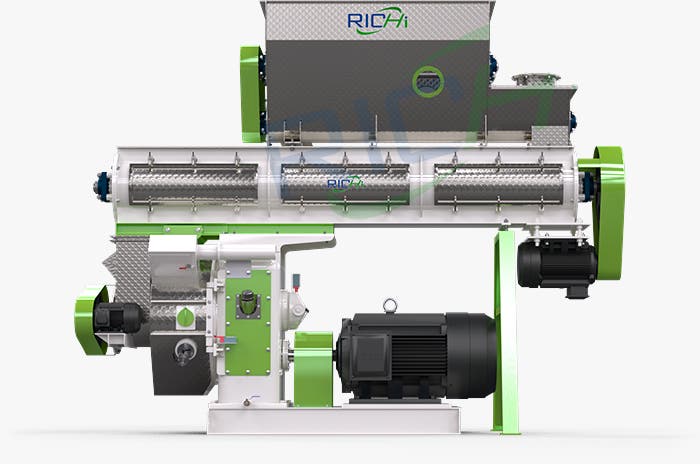
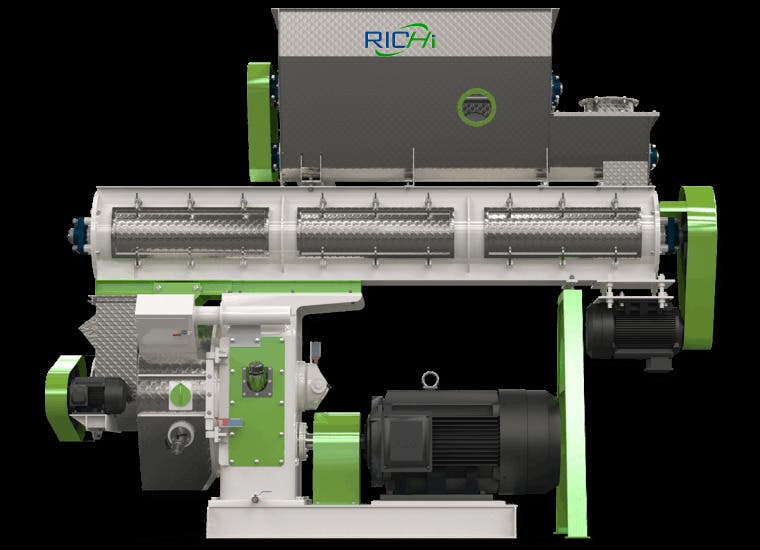
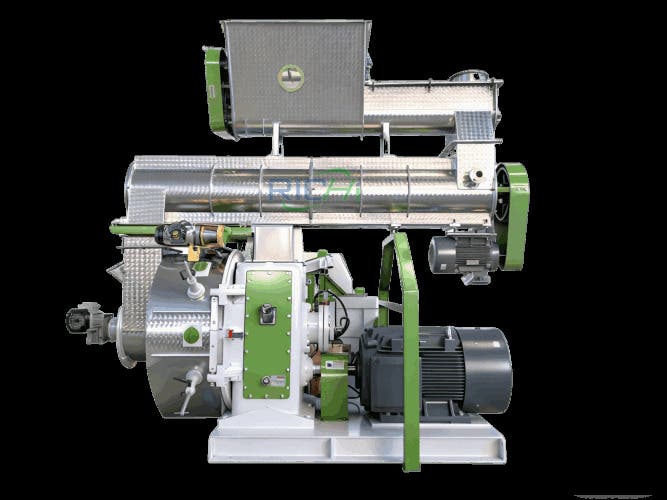
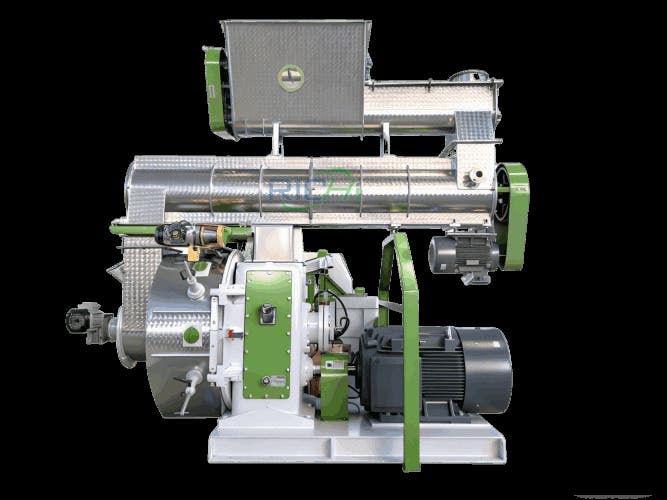
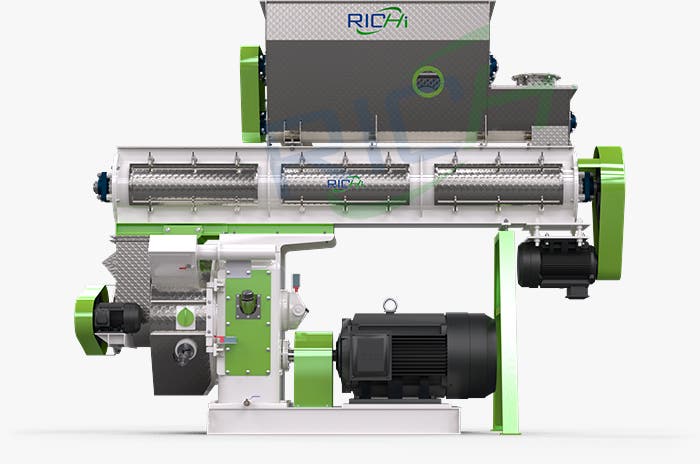
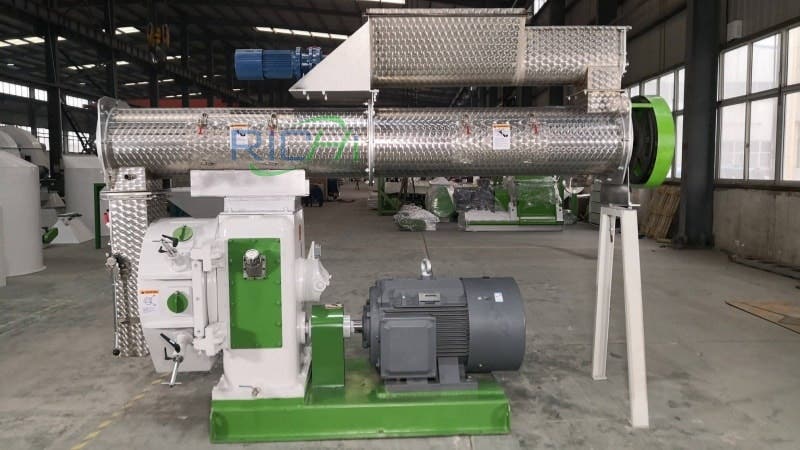
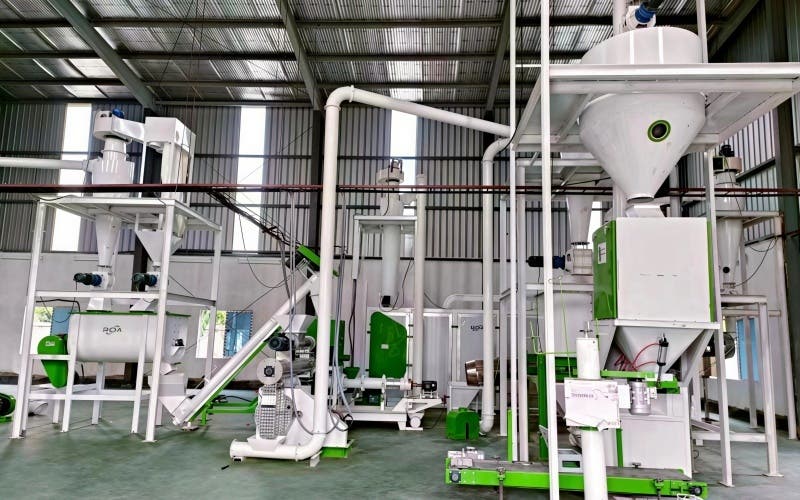
A small poultry feed plant usually includes several stages. Raw materials arrive in bags or bulk and are stored in silos or a warehouse. A grinder reduces grain to the right particle size. A mixer blends ingredients according to the formula. A pellet mill forms the feed into pellets. A cooler reduces temperature and moisture. A screener removes fines, and a bagging machine prepares the final product. Each stage affects the next. If the mixer is weak, the pellet mill cannot produce consistent pellets. If the cooler is undersized, pellets go into storage too warm and may mold.
Sizing the Plant to the Farm
Not every operation needs a large plant. A family farm with a few thousand birds may only require a few hundred kilograms per day. A commercial operation serving several farms may need more. A 1-5t/h small poultry feed plant for sale is a common range for producers who want steady output without building a full industrial facility. At this scale, the plant can support daily feeding needs, allow formula testing, and reduce reliance on outside suppliers. It also keeps the initial investment manageable.
Raw Materials and Cost
Poultry feed formulas usually rely on corn, soybean meal, wheat, and various additives. These ingredients are widely available but their prices change with the market. A small plant lets the farmer adjust formulas and take advantage of cheaper raw materials when available. It also allows the use of local by-products that may not be available in commercial feed. This flexibility can reduce cost, but only if the plant is set up to handle different materials and formulas.
Richi Machinery works with feed producers on equipment selection and plant layout. Because poultry feed has specific requirements for mixing accuracy and pellet durability, matching the equipment to the actual formula and output target usually matters more than choosing the lowest price.
Final Thoughts
Setting up a poultry feed plant is a long-term investment. Capacity, equipment, automation, and quality control all matter. The plant is not just a machine. It is a system that needs to be planned around the actual farm and market. Producers who study the full picture before investing usually make better decisions than those who focus only on equipment price.