Planning a Rabbit Feed Pellet Production System
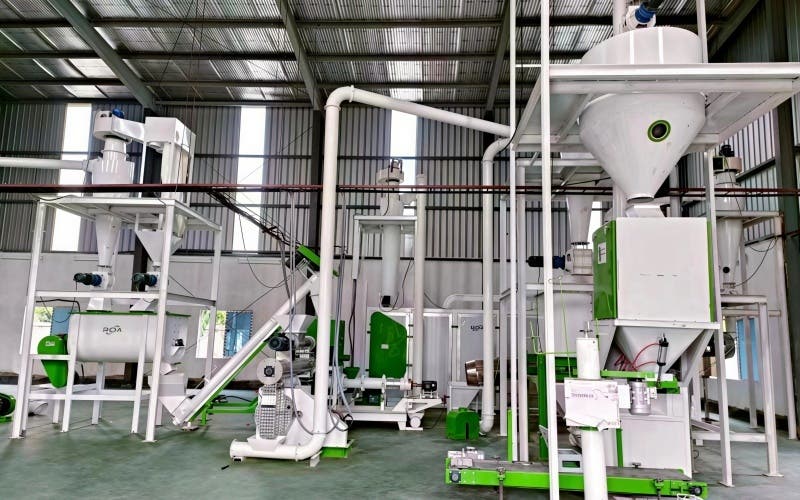
Producing rabbit feed pellets on a regular basis requires more than a suitable pellet mill. Feed manufacturers need to coordinate raw material preparation, ingredient mixing, pelletizing, and finished-product handling to maintain consistent production.
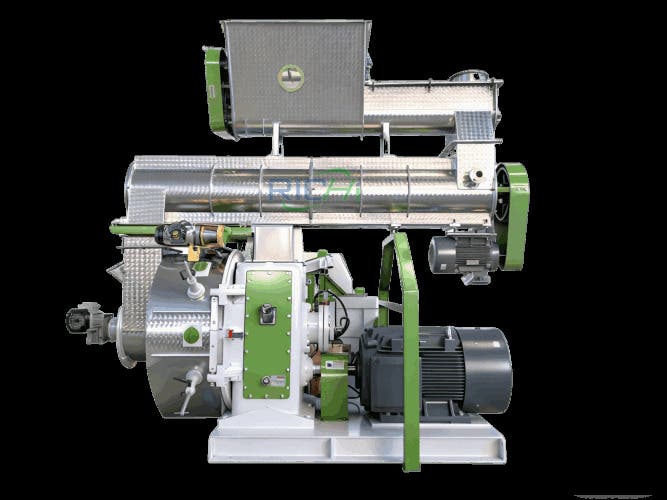
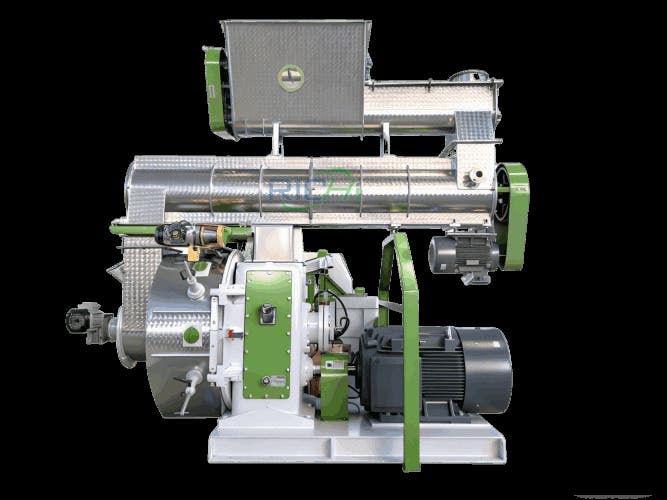
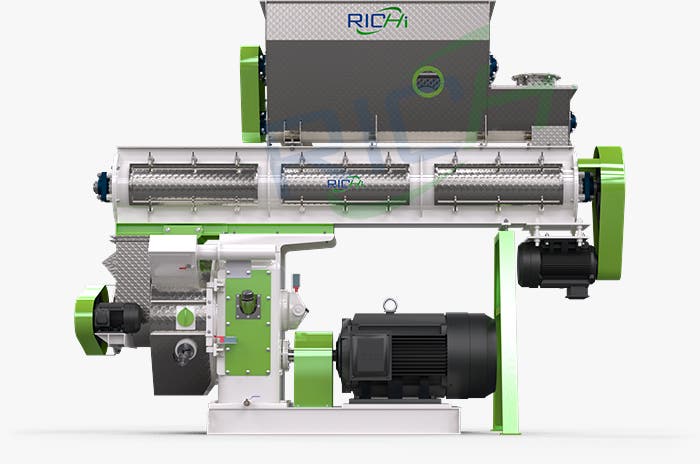
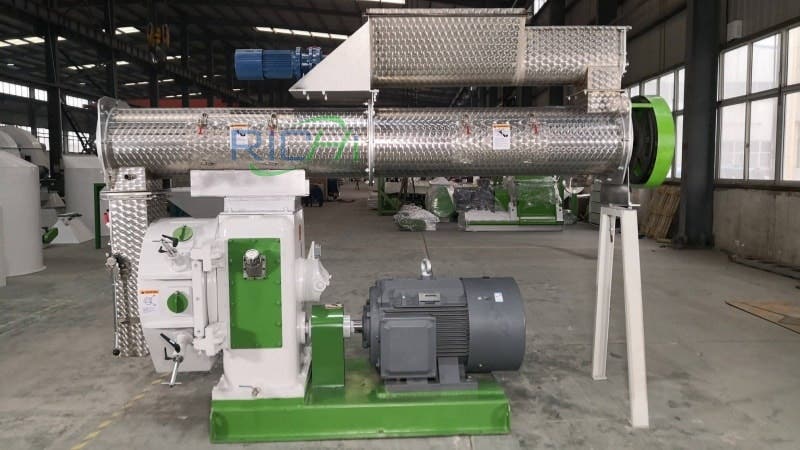
A rabbit pellet making machine for feed production can serve as the central component of a small farm-based system or a commercial feed manufacturing plant. The most suitable configuration depends on the feed formula, daily output, available raw materials, and the degree of automation required.
Organize the Raw Material Preparation Section
Rabbit feed formulas commonly contain forage ingredients such as alfalfa or grass, along with grains, protein ingredients, and other components selected to meet nutritional requirements.
These materials may have different particle sizes and physical properties. Long fibers often require cutting or grinding before they can be mixed and fed consistently into the pellet mill.
A hammer mill can reduce the particle size of suitable ingredients. The correct screen and grinding configuration depend on the raw materials and the required feed specifications.
After grinding, a mixer distributes the ingredients throughout the batch. Consistent batching and mixing are important because poorly distributed ingredients can lead to variations between portions of the finished feed.
Configure the Pelletizing Section
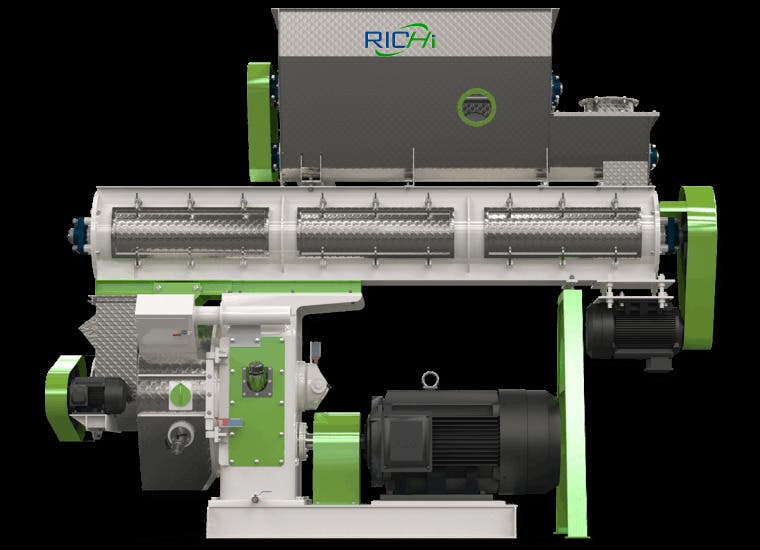
Once the ingredients have been prepared, the mixture enters the pellet mill. The machine compresses the material through a die, while a cutting mechanism determines the length of the finished pellets.
Die diameter, feed formulation, particle size, moisture, and machine settings all influence production performance.
The machine should be selected according to the intended feed formula and required pellet dimensions. A model that performs well with one ingredient blend may not deliver the same output with a different mixture.
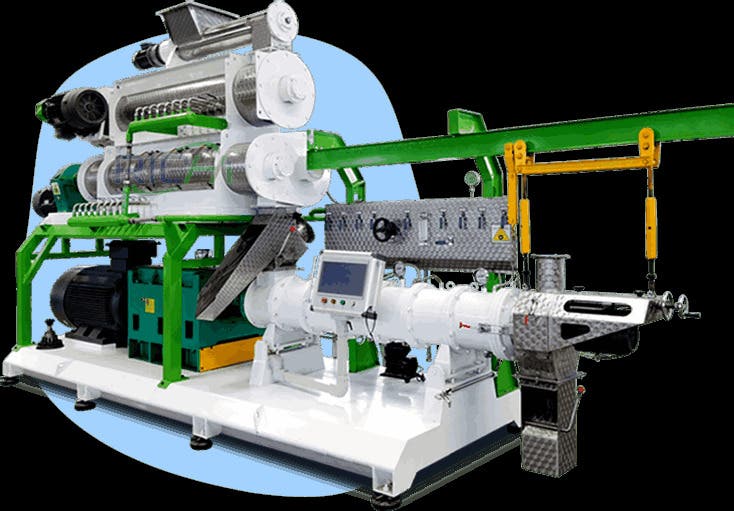
Moisture conditioning should also be evaluated during equipment selection. The suitable operating conditions depend on the formula and machine design, so raw material testing can help establish practical settings before full production begins.
Selecting Equipment for Different Farm Sizes
Not every livestock operation requires the same production setup. A small rabbit farm may need only grinding, mixing, pelletizing, and basic handling equipment. A larger feed business may require a complete production line with automated material transfer and packaging.
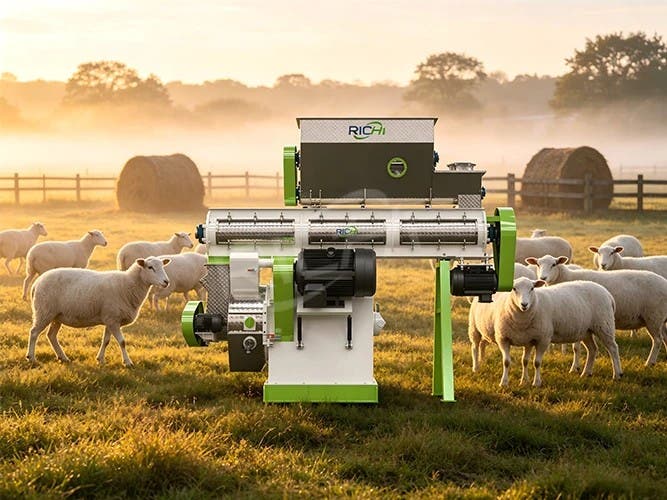
Equipment used for other livestock feeds can provide a useful reference, but the actual feed formula must remain the starting point. For example, a sheep feed pellet machineserves a related animal feed application, yet its suitability for a particular project does not automatically establish that it can produce the required rabbit feed under the same conditions.
The supplier should evaluate the specific ingredients, nutritional formulation, required output, and pellet dimensions before recommending a configuration.
Maintenance and Production Reliability
Routine maintenance supports stable output and helps control unplanned downtime. Operators should inspect the die, rollers, bearings, lubrication system, and feeding mechanism according to the manufacturer's instructions.
Before purchasing, confirm the machine's rated capacity, motor power, wear-part replacement procedure, spare parts availability, warranty coverage, and technical support.
A well-matched feed pellet machine should also work smoothly with the selected grinder, mixer, cooler, and packaging equipment.
Building a System That Fits Your Business
The most practical configuration starts with a clear specification: feed ingredients, daily production target, pellet diameter, operating hours, workshop space, and packaging requirements.
RICHI can configure rabbit feed processing equipment around these factors, from individual machines to integrated production systems. Testing representative ingredients can help determine the necessary preparation steps and refine the equipment selection.
By planning the whole production process instead of selecting the pellet mill in isolation, feed producers can establish a more coordinated workflow and leave room for future expansion. Read more about animal feed production equipment and customized feed pellet line solutions.