Community Corner
Heroin, Opioid Death Rates Rose Faster in New York Than Almost All Other States: Comptroller
More than 200 Hudson Valley residents died from overdosing on heroin or prescription narcotics in 2014, a new report says.


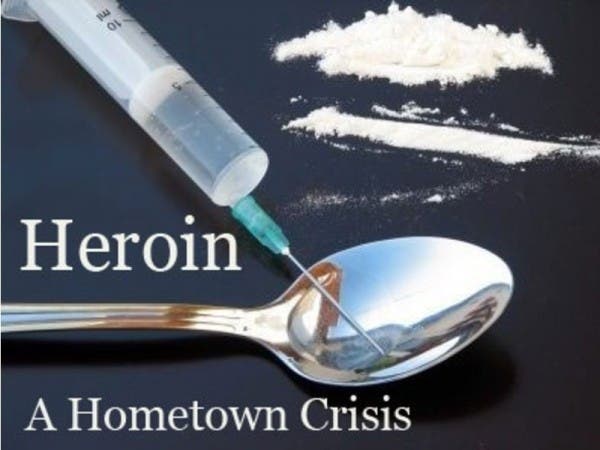
As the heroin crisis continues to grip the nation, a new report revealed grim news: Overdoses related to heroin and opioids rose faster in New York State than in other areas in 2014.
The statistics were found in a report, "Prescription Opioid Abuse and Heroin Addiction in New York State," issued Thursday New York State Comptroller Thomas P. DiNapoli.
Find out what's happening in Bedford-Katonahfor free with the latest updates from Patch.
Overdose death rates in New York increased faster over the preceding decade than in nearly every other state for which data was available, the report said.
DiNapoli said the impacts of the opioid crisis are staggering, not only in regard to the countless lives lost, but with consequences including threats to health and safety, as well as economic repercussions.
Find out what's happening in Bedford-Katonahfor free with the latest updates from Patch.
“Heroin and prescription opioid addiction often come with disastrous consequences, tearing apart families and causing financial ruin,” said DiNapoli. “While New York State and some local governments have taken important steps to reduce heroin and opioid abuse, the costs associated with this epidemic are growing and the health, safety and prosperity of our communities are at risk.”
Overdose deaths in New York, in which heroin was a factor, reached a record high of 825 in 2014, the last year for which data was available from the Centers for Disease Control and Prevention’s National Center for Health Statistics, the report said.
That number represents a jump of 159 deaths, or 24 percent, over 2013, and is nearly 25 times the number recorded in New York 10 years earlier, the report indicates.
Only one state in each category — Massachusetts for heroin-related deaths, and Connecticut for prescription opioids — had higher rates of increase in overdose deaths than New York.
Suffolk County had the greatest number of overdose deaths in 2014 in which heroin — 111 deaths — or prescription opioids — 96 deaths — was a contributing cause. Heroin overdose death rates were highest in Orange, Oneida, Suffolk and Monroe counties, while prescription opioid overdose death rates were highest on Staten Island and in Erie, Oneida and Orange counties, the report said.
Orange County had 43 heroin deaths and 33 prescription opioid deaths in 2014. In Westchester County, there were 38 heroin deaths and 39 opioid deaths. In Dutchess County, there were 21 heroin deaths and 20 opioid deaths. Ulster County had 12 heroin deaths and the same number of prescription opioid deaths.
Between 2009 and 2014, Dutchess County led the state with the highest rate of heroin-related overdose deaths.
The "New York State Opioid Poisoning, Overdose and Prevention," report prepared for Gov. Andrew Cuomo and the New York State Legislature was unveiled in April and said that that 337 people died from heroin overdoses in Suffolk County during a five-year period, more than in the Bronx, which recorded slightly over 200 such deaths, the second-highest rate in the same period. There were 128 heroin-related deaths in Nassau County.
The overdose statistics mirror the increase in reported heroin and prescription opioid use in recent years. According to the federal Substance Abuse and Mental Health Services Administration (SAMHSA), an average of approximately 75,000 New Yorkers a year were estimated to have used heroin in the two-year period from 2013 through 2014. This figure reflects nearly 10 percent of all heroin users in the nation during this period as reported by SAMHSA, and is more than double the corresponding number in New York in each of the two-year periods dating back to 2007-08.
According to DiNapoli's report, released Thursday, "Compared to national averages, New Yorkers are significantly more likely than individuals in other states to be admitted to treatment for heroin use or prescription opioid abuse. Factors in these trends may include New York’s higher-than-average rate of health insurance coverage and the state’s longstanding efforts to promote access to treatment."
Elected officials are fighting back: New York States 2016-2017 enacted budget includes an additional $25 million to help develop, expand and/or operate treatment, recovery, prevention and/or housing services for persons with heroin and opioid use and addiction disorders.
A new state-funded treatment facility expected to open in 2017 near Plattsburgh will bring detoxification and outpatient substance use disorder services to Clinton, Essex and Franklin counties, the comptroller's office said.
In addition, the state Office of Alcoholism and Substance Abuse Services is also providing up to $2 million for 50 new residential treatment beds in the Southern Tier, the Finger Lakes and western New York for New Yorkers with substance use disorders; an additional $1.6 million in annual funding has been awarded to create adolescent substance use disorder clubhouses in seven regions across the state.
The report, which can be read in full here, outlines additional efforts by the state and local governments in New York.
An escalating crisis
According to a message by DiNapoli, heroin and prescription opioid abuse is a significant and growing public health concern across the United States.
New York’s heroin overdose death rate has equaled or exceeded the national rate every year since 2006, and ranked 19th in the nation in 2014 among the 43 states for which data were available, he said.
Comparing rates for 2005 and 2014, both heroin and prescription opioid overdose death rates in New York increased faster than the corresponding rates in nearly all states for which data are available, he said.
"The rising death toll from heroin in the state reflects an increase in the estimated past-year use of the drug, including a sharp jump in average annual use during the two-year period from 2013 through 2014," DiNapoli wrote. "Reported prevalence of heroin use in New York during that period exceeded the national rate by nearly 50 percent."
And elected officials are working toward solutions, DiNapoli said: At the state level, new restrictions affecting prescriptions for opioids and other controlled substances have been implemented; new penalties to help crack down on illegal drug distribution have been adopted; initiatives to expand the use of the anti-opioid overdose drug naloxone, or Narcan, have commenced; a statewide campaign to educate New Yorkers about the risks of heroin and prescription opioid use was created; and new funding to combat heroin addiction, prescription opioid misuse and abuse, and other substance use disorders, was allocated.
A statewide heroin task force launched in May 2016 is gathering information from across New York to develop a comprehensive plan for addressing the state’s heroin and prescription opioid crisis, DiNapoli said.
"The response by the federal, state and local governments reflects an increasingly widespread recognition of heroin and opioid abuse as a top public health and mental health priority, in addition to a more longstanding concern regarding public safety," he said.
Amidst such initiatives, DiNapoli noted that policy makers at all levels "face a continuing need for improved understanding of the nature of addiction and of the effectiveness of various medical and policy responses. Some experts speculate, for example, that strengthening the state’s prescription monitoring program may have the unintended result of leading some patients who become addicted to prescription opioids to switch to heroin because it is less expensive and sometimes easier to obtain."
Balance must be sought in funding effective treatments with limited resources such as identifying when longer-term considerations show inpatient treatment to be more cost-efficient than less expensive outpatient treatment, he said.
As it continues to address the epidemic, New York must also balance access to opioids for appropriate medical purposes with its efforts to prevent opioid addiction, DiNapoli pointed out.
Other issues include adequacy of provider networks and health insurance coverage, he said.
And, DiNapoli said, financial impacts are a concern. "The consequences of heroin and prescription opioid abuse include new budgetary costs for government as well as untold human suffering and tragedy."
Experts weigh in
After the April report, experts discussed the crisis. “These numbers are absolutely devastating, but shouldn’t be a surprise to anyone," said Dr. Jeffrey Reynolds, president and chief executive officer of the Family and Children's Association in Mineola, Long Island. "Treatment professionals and bereaved families have, for more than a decade now, been warning about the worsening crisis. There are still gaps in school-based prevention, waiting lists for treatment slots, insurance company barriers to care and too few resources designed to support those who do find a path to recovery."
But, he added, "Some good things have happened recently, including more than $25 million in new addiction services funding in the recently passed state budget, but our slow collective response gave heroin a 10-year running head start. Now we are trying desperately to catch-up."
Although Narcan saves are reported daily, Reynolds said education is critical: "The widespread distribution of naloxone has prevented many overdose fatalities, but too often, I’m seeing folks revived, brought to an emergency room only to be discharged within an hour and dead of a subsequent overdose within 24 hours. This is a huge missed opportunity and we need to make sure that those who are revived are properly counseled, their families are supported and we help them find a path into treatment."
He added, "If we truly want to turn a corner and see a drop in overdose fatalities, we need an all-out sustained push that involves everyone – schools, cops, health care professionals, treatment providers, families and entire communities. And we all have to agree than one overdose is too many.”
A mother's wish after losing son to heroin
Penny Maffetone knows all too well the horror of heroin addiction: She lost her son, Michael, at 29 in 2012 when he overdosed in the family's Laurel, Suffolk County, bathroom.
"As a mom to one of the 337 heroin deaths in Suffolk County, it's the most devastating thing I have ever been through, losing my firstborn son to this horrible epidemic," she said." I'm just glad to see that it is talked about more now than it was four years ago. Maybe more people will reach out for help and another family will not have to feel as lost as we feel. I miss Michael more than words can ever describe."
Maffetone's younger son Paul, found his life forever impacted by his brother's death. He's made it his mission to make a difference, creating the not-for-profit organization Michael's Hope and organizing Narcan training sessions and educational forums, as well as speaking at schools to help raise awareness and save lives.
Stories are shared at Michael's Hope meetings, about how heroin addiction sometimes begins with opioids found in a parent's medicine cabinet or after an injury requires a prescription for pain killers. The low price of heroin soon makes it the drug of choice, experts say.
Of the statistics, Maffetone said, "I think it's a scary fact but it's just that — it's a fact. And we have got to start the conversation. We have to start spreading more awareness and prevention in our communities and schools. This is a crisis. We have to take a stand together and rise as a whole."
Patch staff writer Michael Woyton contributed to this article.
Get more local news delivered straight to your inbox. Sign up for free Patch newsletters and alerts.