Health & Fitness
Hunter's Moon
The moon looms large on the horizon during this time of year. And as the sun begins its winter descent, the moon and its eerie light take on a new urgency as we perpare for the darkness of winter.
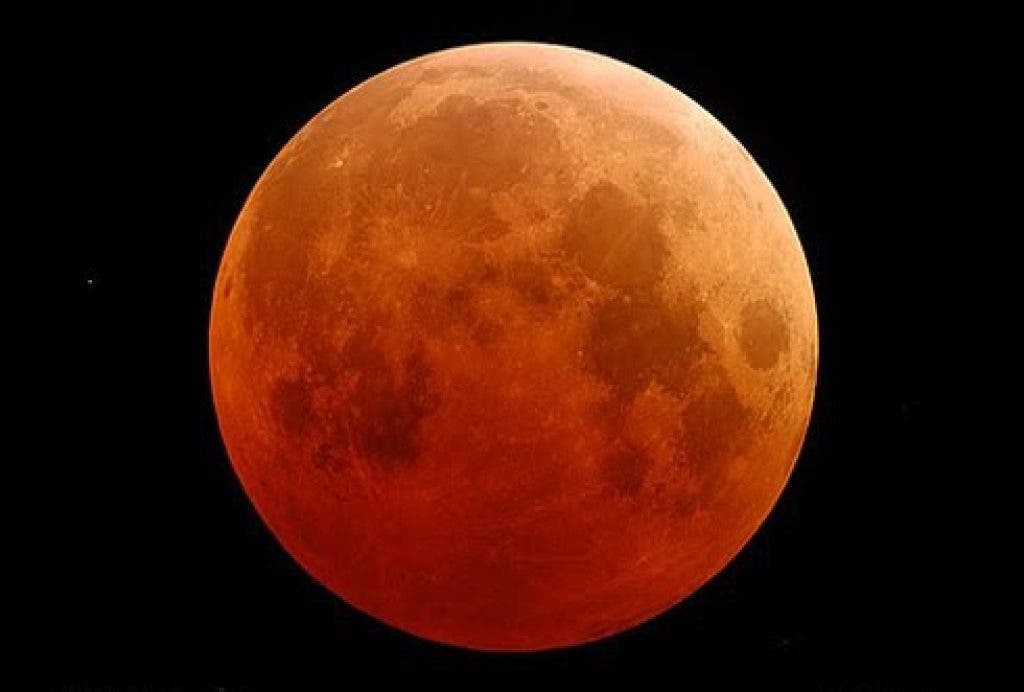
The Hunter's Moon is also known as a Blood Moon or Sanguine Moon and is always the first full moon after the Harvest moon, which is the full moon nearest the autumnal equinox.The Hunter's Moon is said to have gotten its name because it provided the necessary moonlight for hunting and shooting migrating birds in Northern Europe. This sobriquet is also to have been used by Native Americans who tracked down their prey during late October and November.Here in the Northern Hemisphere the Hunter's Moon appears in October or November, but most frequently in October. In Western Europe, its appearance was celebrated as a feast day and was called appropriately enough the Feast of the Hunter's Moon, the tradition faded away sometime by the 18th century. Neither the Hunter's Moon nor the Harvest Moon are especially bright or more luminous than any other full moon. However, all full moons posses their own unique characteristics depending on the whereabouts of the ecliptic in the sky at the time of year that they are visible.What makes the Harvest Moon and the Hunter's Moon unique is the particular time they rise after sunset, which eliminates any protracted period of darkness between the setting of the sun and the moonrise, enabling hunters and farmers in the field to carry out their tasks late into day and into the night. Compiled and adapted from Wikipedia and the Farmer's Alamac