Community Corner
My Mother Killed Herself 9 Years Ago; How I'm Learning To Live Again
A Patch editor shares his journey from despair to hope and his fight to end the stigma of suicide and mental illness.


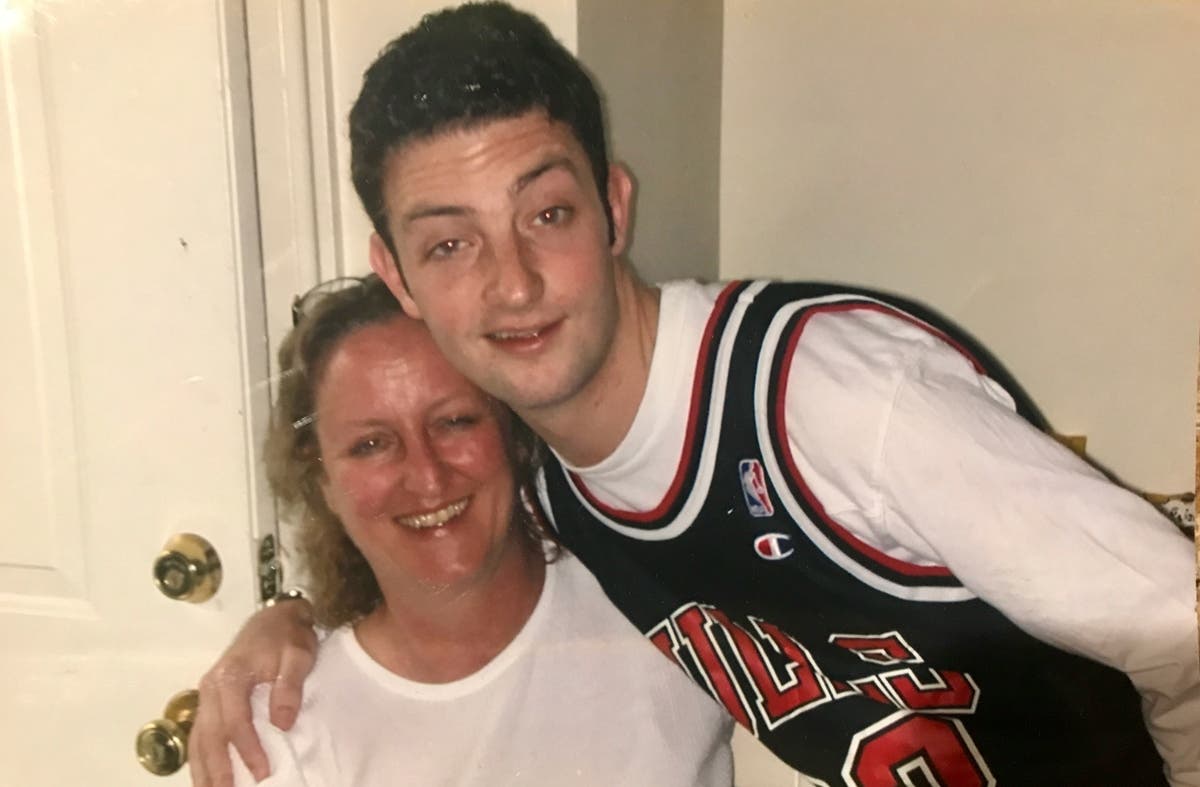
I’ll never forget the hug.
My parents and I had just left a Labor Day family barbecue. It was Sept. 1, 2008. We stopped at a CVS to pick up some Febreze that I had convinced myself could replace ever ironing my clothes again.
When my father pulled into a parking spot at the Islip Long Island Rail Road Station, I grabbed a large bag of fall and winter clothes that was coming back to Manhattan with me. My train was already approaching the station when I opened the back door of the brown Nissan Quest.
Find out what's happening in North Forkfor free with the latest updates from Patch.
I quickly said goodbye to my parents, but before I made it three steps, my mother, in the front passenger seat, said, “Come back here and give me a real hug.” She opened the door and pulled me in tight. She knew it would be the last time she’d see her oldest son.
It’s been nine years, but the memories of Sept. 17 and 18, 2008 will always be crystal clear in my head. At the time, I was a student at the Columbia University Graduate School of Journalism. Sept. 17 was a Wednesday, and although classes had just started a month earlier, I had already found the place for cheap beer on the Upper West Side.
Find out what's happening in North Forkfor free with the latest updates from Patch.
In the middle of sipping on $1 beers with a couple of friends, I stepped outside to take a call from one of my closest friends from my undergraduate years at the University of Richmond. I remember telling him how happy I was. I was 26 years old. I had one class on the morning of Sept. 18. Once that class ended, I was back in bed to finish sleeping off those dollar beers.
My phone’s ringtone at the time was Kenny Chesney’s “Shiftwork.” It was around 2:10 p.m. when I heard Chesney sing the lyrics, “Work seven to three, Three to eleven, Eleven to seven.” I reached over and picked up my phone that was on the floor next my bed. It was my brother Kevin. And then everything changed. You need to come home right now, Kevin said. I pressed him to tell me why. He wouldn’t. Just come home, he said. I grabbed my backpack and took the elevator down three floors from the Columbia-owned apartment building on 121st Street. When I stepped outside, I called Kevin. You have to tell me what happened, I said.
“Mom’s gone,” he said.
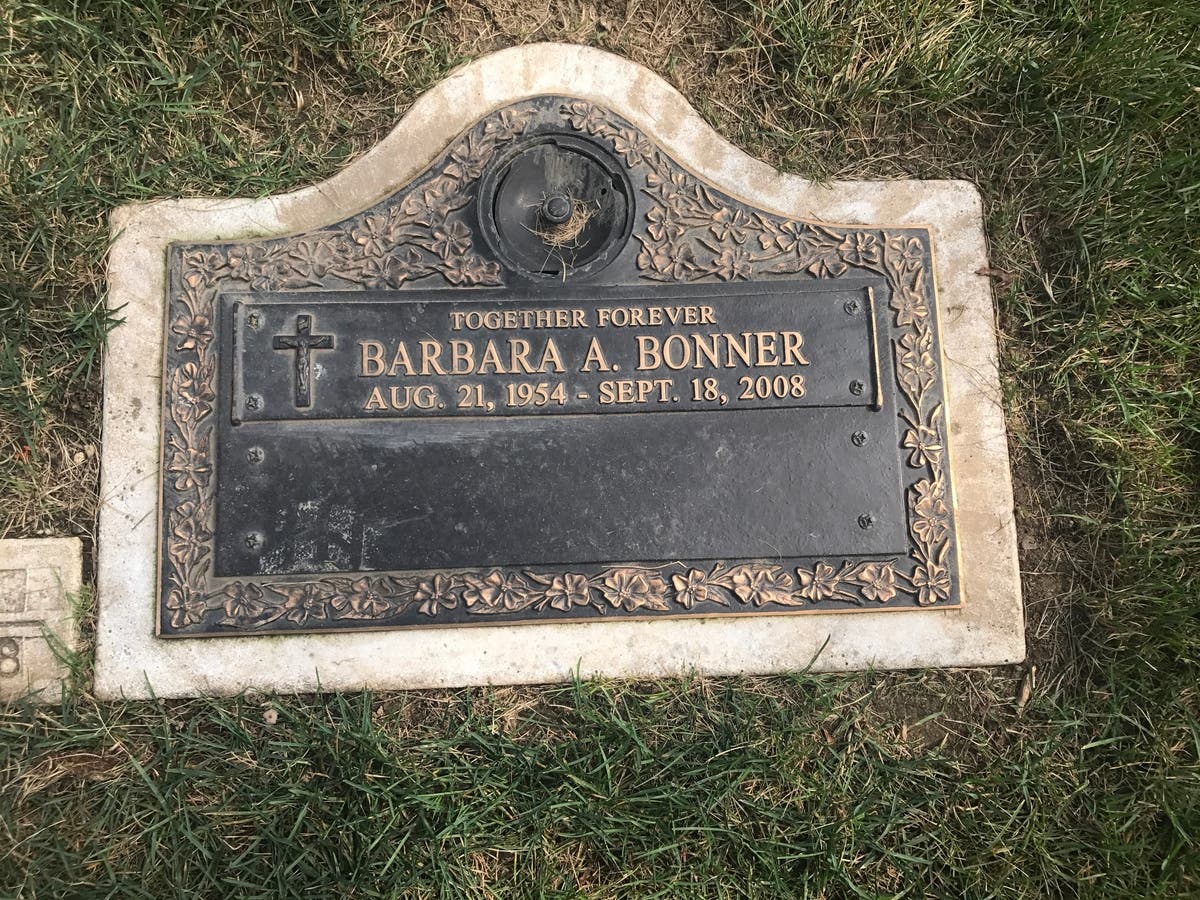
In 2008, there were 36,035 suicides in the United States. My mother was one of them.
When I got home, I immediately went to my parents' bedroom. I grabbed my mother’s pillow and tried to inhale every scent left of her. For the next three nights, I slept next to my father in the bed he had shared with my mother for 27 years. Neither of us could sleep alone.
Within a week, I was back in Manhattan. I saw a therapist on campus a few times, decided it was a waste of time and then focused on keeping myself busy and distracted from the gaping hole in my heart.
I would think to myself, if I could just fast-forward five years, it will all be fine. Time heals all wounds, right? And that thinking actually did sustain me for several years. But what time did was only build a scab over my wound. As each year went by, I could bury the pain a little deeper. Eventually, slowly for sure, not confronting the myriad emotions surrounding my mother’s death pushed me into depression. I should be feeling much better by now, I’d think. Life goes on. You can’t dwell on this. You need to be the strong one for your three younger brothers.
My mom raised four sons, no easy task. She worked at the IRS early in her career. She went back to school to get an elementary teaching degree in the '90s. She never taught a day in a classroom. Chronic pain, mostly of her back, stymied her ambitions. She would have been a great teacher. She loved kids. Like really loved them. In the early-2000s, she babysat children inside our home, including her nephews. She took so many pictures of these kids. I’d come home from college and see frames on the wall that used to hold pictures of me now replaced by a 1-year-old.
In between surgeries and doctors appointments, she returned to the IRS a few years later. “I might as well go to work in pain instead of sitting home in pain,” she wrote me in a 2007 email.
But it wasn’t the physical pain that led her to take her own life on Sept. 18, 2008. My mother had a mental illness. At the end of her life, my mom believed that the lives of her family members would be better off without her. She made that clear in the letter she left for us. She said she was tired of dragging people down. She wanted us to “celebrate her freedom from pain.”
For several years, I was able to comfort myself by believing those words. My mom no longer had to live in chronic pain. The pain wore her down and eventually killed her, I'd tell myself.
But it’s not true. My mom is not in a better place. It wasn’t my mom who wrote those words. That was a sick person, sunk deep into depression and not thinking clearly. If she was, she never would have given up attending her sons’ weddings or meeting her future grandchildren.
My mom never asked for help. She was stubborn. She’d do anything for you, but she’d never let on to the true extent of her own suffering. She never wanted to be a burden on anyone.
Depression is very common in people suffering from chronic pain. I believe some of the medications my mom was on, including oxycodone, ended up making her pain worse. And one drug she took in her last year of life, Lyrica, has been known to cause suicidal thoughts and actions.
I’m not sure why my mom didn’t take more steps to address the mental anguish she was going through. What I do know, though, is that there remains a stigma attached to both suicide and mental illness in this country, and that must end.
From 2008 to 2015, there was a 23 percent increase in suicides in the United States. An American dies by suicide every 12.3 minutes. Ninety percent of people who die by suicide have a mental illness.
Dr. Mike Friedman, a clinical psychologist, writes in Psychology Today: “Mental illness will be the definitive public health priority in the decades to come. Unlike many conditions, we actually have empirically supported treatments in the form of medication, psychotherapy and lifestyle behavioral programs that have demonstrated efficacy and cost effectiveness in treating mental illness. The stigma of mental illness is perhaps the greatest barrier to care.”
Although stigmatizing attitudes are not limited to mental illness, the public seems to disapprove of people with psychiatric disabilities significantly more than people with related conditions, such as a physical illness, a 2002 report by the World Journal of Psychology says.
Depression can happen to anyone, at any age, and it is never a “normal” part of life. A close college friend of mine, Mike Clements, also died by suicide in 2012. He was never in physical pain like my mother and on the surface, Mike, who was voted most outstanding student at the University of Richmond School of Law, was seemingly headed for a productive and fulfilling life. But the demons of mental illness got their hooks into Mike and dragged him to a dangerous low.
"At some point, the disease takes over, it isolates people and starts changing their thought processes," Jeremy Clements said in a devastatingly honest obituary for his brother published in the Pittsburgh Post-Gazette. "He just got lost and forgot who he was."
After eight years of not confronting and processing the feelings I have about my mother’s death, I began seeing a therapist last December. I had been skeptical of paying $50 a pop to see a therapist. Wasn’t it the same as talking to a family member or close friend? (No, it’s not.)
Therapy, on a weekly basis over the course of three months, helped open my mind to feelings that I had long since buried. I was diagnosed with depression, and my doctor prescribed me an anti-depressant, which I remain on today.
I have a mental illness. I am not ashamed to say that. I still go through rough days, especially this time of year as memories of my mother’s death get renewed in my mind, but getting treatment has raised the floor on those low days, and it’s allowed me to realize that time doesn’t heal all wounds. I needed to take steps to heal myself. It took a long time, but I’m glad I got there.
When I started therapy, I was unable to write down my feelings, especially when it came to my mother’s death. I have always been able to talk about it, at least on the surface, but for me, writing was much more difficult. But now I’m in the right state of mind to be able to write this article and share it with thousands of people.
My mom’s death changed me. I can’t go back to Sept. 17, 2008 and drink $1 beers without a care in the world. I will never be the same person. Not in 10 years, not in 20 years. I will always carry that pain with me. But that’s OK. In the months after my mom died, I would listen to "Learning to Live Again" by Garth Brooks on repeat on my iPad. Nine years later, I’m still learning, but I’ve made incredible progress over the past year, and I plan on taking an active approach in helping destroy the stigma that prevents so many people from getting the help that they need.
And Mom, wherever you are: I'm sorry I didn't get to say goodbye, but every time I drive by the Islip train station now, for just a second, I can feel your warm, loving embrace on that first day of September in 2008. I miss you and I love you.
September is National Suicide Prevention Awareness Month — a time to share resources and stories in an effort to shed light on this highly taboo and stigmatized topic.
If You Need Help Or Know Someone in Crisis
Call the toll-free National Suicide Prevention Lifeline (NSPL) at 1-800-273-TALK (8255), 24 hours a day, seven days a week. There is also a Lifeline Crisis Chat service available within the United States 24/7.
Signs and Symptoms
The behaviors listed below may be signs that someone is thinking about suicide.
- Talking about wanting to die or wanting to kill themselves
- Talking about feeling empty, hopeless or having no reason to live
- Making a plan or looking for a way to kill themselves, such as searching online, stockpiling pills or buying a gun
- Talking about great guilt or shame
- Talking about feeling trapped or feeling that there are no solutions
- Feeling unbearable pain (emotional pain or physical pain)
- Talking about being a burden to others
- Using alcohol or drugs more often
- Acting anxious or agitated
- Withdrawing from family and friends
- Changing eating and/or sleeping habits
- Showing rage or talking about seeking revenge
- Taking great risks that could lead to death, such as driving extremely fast
- Talking or thinking about death often
- Displaying extreme mood swings, suddenly changing from very sad to very calm or happy
- Giving away important possessions
- Saying goodbye to friends and family
- Putting affairs in order, making a will
If these warning signs apply to you or someone you know, get help as soon as possible, particularly if the behavior is new or has increased recently.
Risk Factors
Suicide does not discriminate. People of all genders, ages, and ethnicities can be at risk. Suicidal behavior is complex, and there is no single cause. In fact, many different factors contribute to someone making a suicide attempt. But people most at risk tend to share certain characteristics. The main risk factors for suicide are:
- Depression, other mental disorders or substance abuse disorder
- Certain medical conditions
- Chronic pain
- A prior suicide attempt
- Family history of a mental disorder or substance abuse
- Family history of suicide
- Family violence, including physical or sexual abuse
- Having guns or other firearms in the home
- Having recently been released from prison or jail
- Being exposed to others' suicidal behavior, such as that of family members, peers or celebrities
5 Action Steps for Helping Someone in Emotional Pain
- “Are you thinking about killing yourself?” It’s not an easy question, but studies show that ask asking at-risk individuals if they are suicidal does not increase suicides or suicidal thoughts.
- Keep them safe: Reducing a suicidal person’s access to highly lethal items or places is an important part of suicide prevention. While this is not always easy, asking if the at-risk person has a plan and removing or disabling the lethal means can make a difference.
- Be there: Listen carefully and learn what the individual is thinking and feeling. Findings suggest acknowledging and talking about suicide may in fact reduce rather than increase suicidal thoughts.
- Help them connect: Save the National Suicide Prevention Lifeline’s number in your phone so it’s there when you need it: 1-800-273-TALK (8255). You can also help make a connection with a trusted individual like a family member, friend, spiritual adviser or mental health professional.
- Stay Connected: Staying in touch after a crisis or after being discharged from care can make a difference. Studies have shown the number of suicide deaths goes down when someone follows up with the at-risk person.
Find more information and resources on suicide prevention here.
Get more local news delivered straight to your inbox. Sign up for free Patch newsletters and alerts.