Health & Fitness
The High Line and Croton Landing/Riverwalk – Visions that became reality.
NYC's new linear elevated park and Croton Landing/Riverwalk park in Croton-on-Hudson have many similarities. Both started with a seemingly impossible idea, a vision, of what could be.
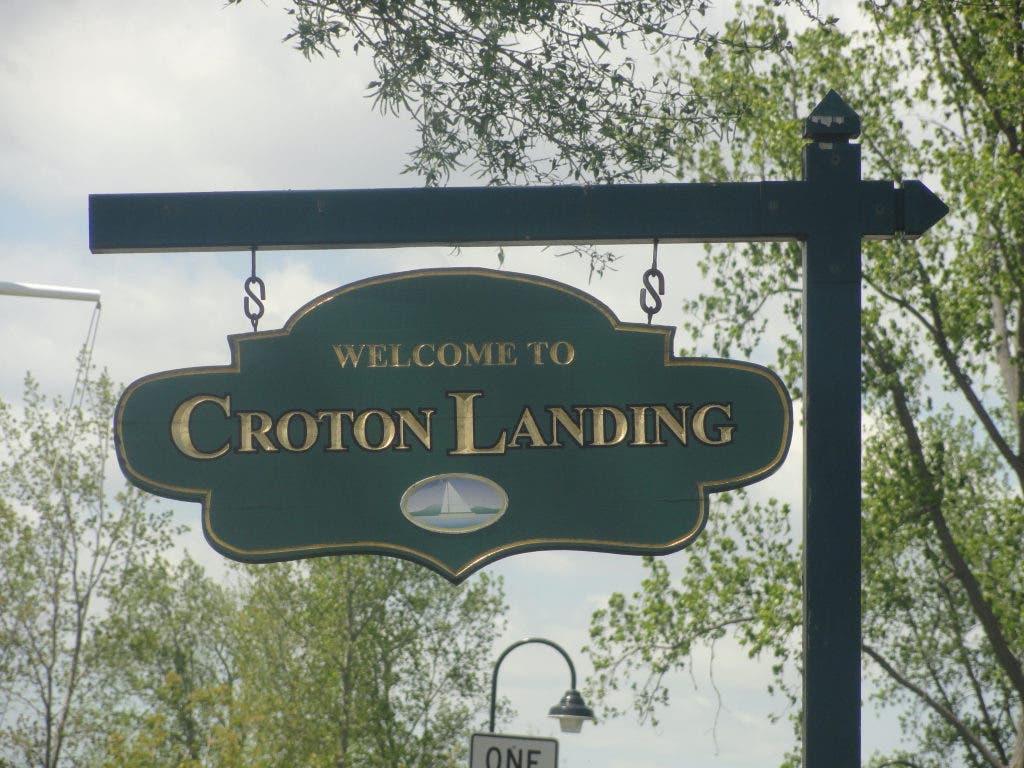
A recent walk along New York City’s elevated walkway, the High Line, served as a reminder of how a vision can be the impetus for something wonderful that might never occur in the course of ordinary planning. As well, visions can also be called “thinking out the box” and, when grounded in what is possible, can steer planning to achieve new heights. Such was the case with both the High Line in New York City and Croton Landing Park/Riverwalk Trail in Croton-on-Hudson.
Although the two parks are quite different in many ways, their similarities are startling. Both parks are essentially linear walkways running north/south along the east side of the Hudson River. Admittedly the High Line is not right on the river as is the walkway at Croton Landing but it offers substantial views of the Hudson from its elevated perspective. Ultimately, phase 3 of the High Line will connect directly to the Hudson. Both sites represent the reincarnation of 19th century industrial sites that fell into disrepair, blight and abandonment and both were directly affected by their relationship to railroad tracks.
Both the High Line and the walkway at Croton Landing are approximately one mile in length and were developed in phases. The first phase of the High Line provided a walking trail of about 10 city blocks from Gansevoort St. to West 20th at 10th Ave.. With the recent opening of Phase 2, it extends now to West 30th Street. Funding for the High Line included the donation of the land to the city by CSX, and a city contribution of $112 million. Substantial private money provided many of its amenities – lookout points, benches, landscaping, etc. Croton Landing’s first phase was a half mile handicapped-accessible trail followed by its Phase 2 half mile Riverwalk extension in 2009. Funding for Croton Landing included the Village’s initial purchase price of $1.2 million for half of the total 30+ acre property. The Open Space Institute acquired the other half of the site which was funded by the private DeWitt and Lila Wallace Foundation, co-founders of Readers Digest. This section was managed by the Beaverkill Conservancy and ultimately conveyed to the Village for $1. Clean up of the property, development of conceptual and detail designs, adding a handicapped-accessible walk, and most importantly, vehicular access to the park over a new road (Elliott Way) were funded primarily from federal and state grants, NYSDOT and Metro North. The Development of phase 2 – extending the walkway to the north by a half mile and adding an important segment to the County’s Riverwalk plans, was a combined effort by Westchester County and the Village – each contributing $1.75 million and $1 million respectively. Occurring over 13 years, Croton Landing Park represents a high point of collaboration among government entities.
Find out what's happening in Ossining-Croton-On-Hudsonfor free with the latest updates from Patch.
Neither the High Line nor Croton Landing Park could have happened without an initial vision of the possibilities. Friends of the High Line in NYC, formed in 1999, lobbied successfully for years and brought it to fruition. Former Croton Mayor Robert Elliott along with non-profit organizations, private foundations, and the New York Greenway agency made it happen here.
So let’s hear it for vision and keep our minds open when new, seemingly impossible, ideas come forward. Be willing to “Dream the Impossible Dream”.