Politics & Government
War Against Heroin: Narcan Training Slated for Sag Harbor
The training takes place Tuesday at 6:30 p.m. at the Sag Harbor Firehouse.


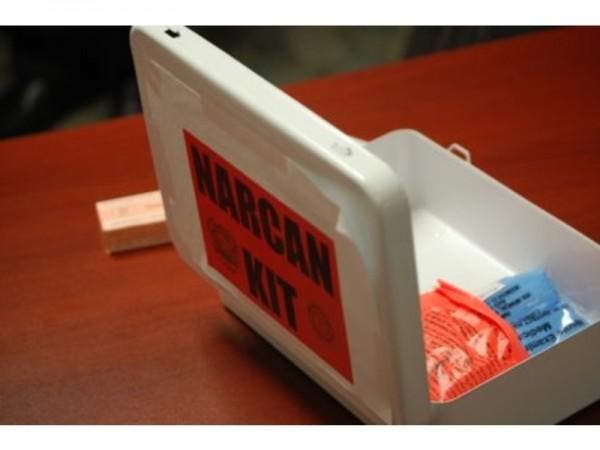

SAG HARBOR, NY — In an attempt to stem the tide of escalating heroin and opioid overdose deaths locally, Suffolk County Legislator Bridget Fleming and others have come together to host a Narcan training in Sag Harbor on Tuesday.
Fleming, in conjunction with County Executive Steve Bellone, Suffolk County Department of Health Services, Sag Harbor Village Police, Suffolk County Sheriff’s Office, HUGS Inc., Thomas’ Hope, and Sag Harbor Coalition will present the Narcan training session and prescription drug disposal at the Sag Harbor Firehouse Tuesday at 6:30 p.m.
Fleming organized the event with an eye toward educating the community and raising awareness about the heroin and opioid epidemic in Suffolk County that is becoming an increasing public health threat, especially among young people.
Find out what's happening in Southamptonfor free with the latest updates from Patch.
The event will include a presentation by Linda Ventura of Thomas’ Hope on substance abuse and drug addiction, a Narcan training class taught by Deputy Sheriff William Weick, and a resource table with drug addiction and recovery information by HUGS Inc.
Refreshments will be provided by the Sag Harbor Coalition.
Find out what's happening in Southamptonfor free with the latest updates from Patch.
All training participants over the age of 16 years old will receive the overdose rescue kit with the Narcan antidote. There will also be a drug disposal box in the room where unwanted prescription drugs can be dropped and will be properly disposed of by the Sag Harbor Police Department.
“Heroin use and the abuse of prescription painkillers has become a major public health threat among our young people, so it is important that we educate them, so that they can make healthy choices,” Fleming said. “It is also important that our community is well equipped with the tools needed to fight addiction and prevent overdoses, and I believe that this training and drug take back is a good first step."
She added, "I hope that no one ever has to administer the NARCAN antidote, but if there is a need for it, it is my hope that this training might help someone to save a life, rather than a family losing a loved one to drug overdose.”
Recent reports indicate Suffolk County leading in heroin related deaths between 2009 and 2013, with more than 300 deaths.
That's the highest number of people to die in a 60 month span in any county in the State of New York; the number of overdoses in Suffolk County is greater than that of Brooklyn and the Bronx combined, Fleming reminded.
“We must have all of the tools in our arsenal to combat the opioid epidemic affecting our Country and our region,” saidBellone. “Ensuring that our medical personnel and residents have access to and can administer Narcan is of paramount importance as well all work together to combat this epidemic.”
Sag Harbor Village Police Chief Austin McGuir agreed. “I am very happy that our department was included in this training. The effects of opioid use and addiction are widespread. No community in Suffolk County is immune from its effects. Saving the life of someone who has overdosed gives them an opportunity for another chance.”
Kym Laube, Director of HUGS, Inc. also serves on New York State Governor Andrew Cuomo's heroin task force.
“HUGS, Inc., and the Sag Harbor Coalition are thrilled to take part in this robust community conversation about this life saving tool and addiction. We applaud the efforts of our key leaders who are shining a light on this devastating disease and breaking the stigma by creating opportunities to put words to what so many often stay quiet about."
Laube has long maintained that efforts must be focused on "where addiction begins, not just where it ends, providing individuals with as many opportunities for help as possible. As we find ourselves in the fight of our lives with the opiate epidemic, prevention, education, community collaboration, intervention and access to treatment are some of the essential components necessary to save lives and help individuals."
Across the country, communities that come together to work on the escalating public health issue have shown a reduction in drug use in their areas, Laube said.
Get more local news delivered straight to your inbox. Sign up for free Patch newsletters and alerts.