Politics & Government
Deadly UES Legionnaires Outbreak Pits Council Against Health Officials
Lawmakers questioned lagging enforcement after the disease killed 11 people and infected 94 this summer.


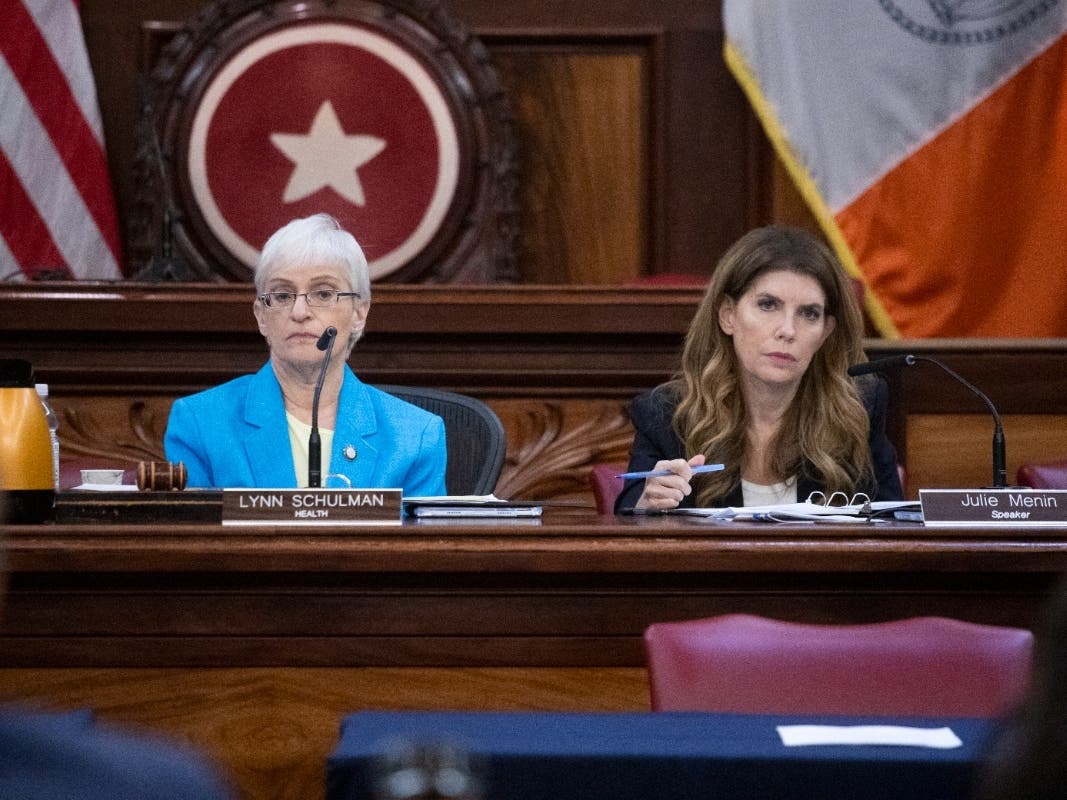
MANHATTAN, NY — City Council members grilled Health Department officials Wednesday over New York City’s handling of a Legionnaires’ disease outbreak that killed 11 people and sickened 94 on the Upper East Side this summer.
The outbreak came one year after a Legionnaires’ cluster in Harlem killed seven people and sickened 90, prompting the city to adopt some of the nation’s strictest cooling-tower testing and enforcement requirements.
The new laws, which took effect May 8, mandate that building owners test for harmful Legionella bacteria every 31 days when the cooling tower is operating — three times more frequently than previously required. The new laws also increase fines for property owners who fail to comply with the testing schedule.
Find out what's happening in Upper East Sidefor free with the latest updates from Patch.
However, as councilmembers and families impacted by the disease argued, the enforcement around these new laws lagged and led to deaths they argue were preventable.
Charles Thomas, a former Queens County judge who retired to the Upper East Side, died in the outbreak this summer at age 92, his son Daniel Thomas told the committee.
Find out what's happening in Upper East Sidefor free with the latest updates from Patch.
"What he said to me was, 'This was a completely preventable random act of violence that occurred to me, and my whole life I've been about justice,'" Thomas said. "'I will not live to see the end of this matter, but I do want to see change. I want my grandkids to know that my death was not in vain.'"
Legionnaires’ disease is a severe form of pneumonia caused by Legionella bacteria, which can grow in building water systems, including cooling towers. The disease spreads when people inhale contaminated mist, not through person-to-person contact.
People who are over 50 years old or have weakened immune systems are at the highest risk of becoming seriously ill, officials said. Without early detection, the disease can be fatal.
Enforcement Lagged, Then Surged
According to Lynn Schulman, a Queens councilmember and the chair of the Council's health committee, cooling tower inspections by the Department of Health and Mental Hygiene have declined by over 50 percent since 2017, from about 5,000 annually in 2017 to 2,300 in 2025.
Schulman also said that there was roughly $5.1 million in outstanding cooling tower violation balances, including about $1.5 million tied to "public health hazard" violations, according to data from the Office of Administrative Trials and Hearings.
"Tragically, none of this reporting led to aggressive enforcement prior to the cluster in 2026," Schulman said.
Upper East Side Councilmember and Speaker Julie Menin said that enforcement surged after July 2, when the outbreak started on the Upper East Side, but that there was almost no enforcement in the first half of 2026.
"What I'm concerned about is, according to reports, the department issued no violations in the three zip codes covering the Upper East Side in January, March, May, and June of this year," Menin said.
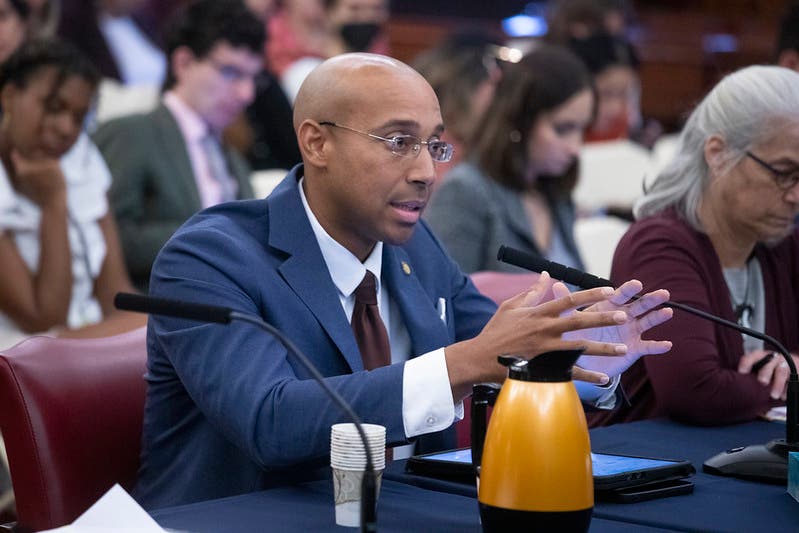
Alister Martin, the New York City health commissioner, emphasized that his department mobilized and tested all 183 cooling towers in the zip codes, disinfecting 83 that tested positive for Legionella on a PCR test while waiting for bacterial culture testing to be completed.
"That is a more aggressive strategy than our city has ever taken," Martin said.
Releasing the addresses of all the buildings that tested positive led to increased compliance, he said. The health department issued 180 summonses to 78 buildings with a combined face value of $177,000 during the outbreak.
As part of the city's response to this summer's outbreak, City Council has published a package of new bills aimed at improving prevention, enforcement, and transparency.
Mayor Zohran Mamdani has also promised "sweeping" new measures.
While those make their way through the legislature, the final step in this summer's outbreak, Martin said, is matching patient DNA to the DNA in the infected towers to find which towers infected the neighborhood. The results are expected this fall, he said.
"We did not wait to act on the Upper East Side this summer, and we are not waiting now," Martin said.
For questions, email Miranda.Levingston@Patch.com.
Get more local news delivered straight to your inbox. Sign up for free Patch newsletters and alerts.