Politics & Government
New Legionnaires’ Bills Proposed After Deadly UES Outbreak
The bills would strengthen cooling-tower enforcement, educate at-risk New Yorkers and increase fines for building owners.


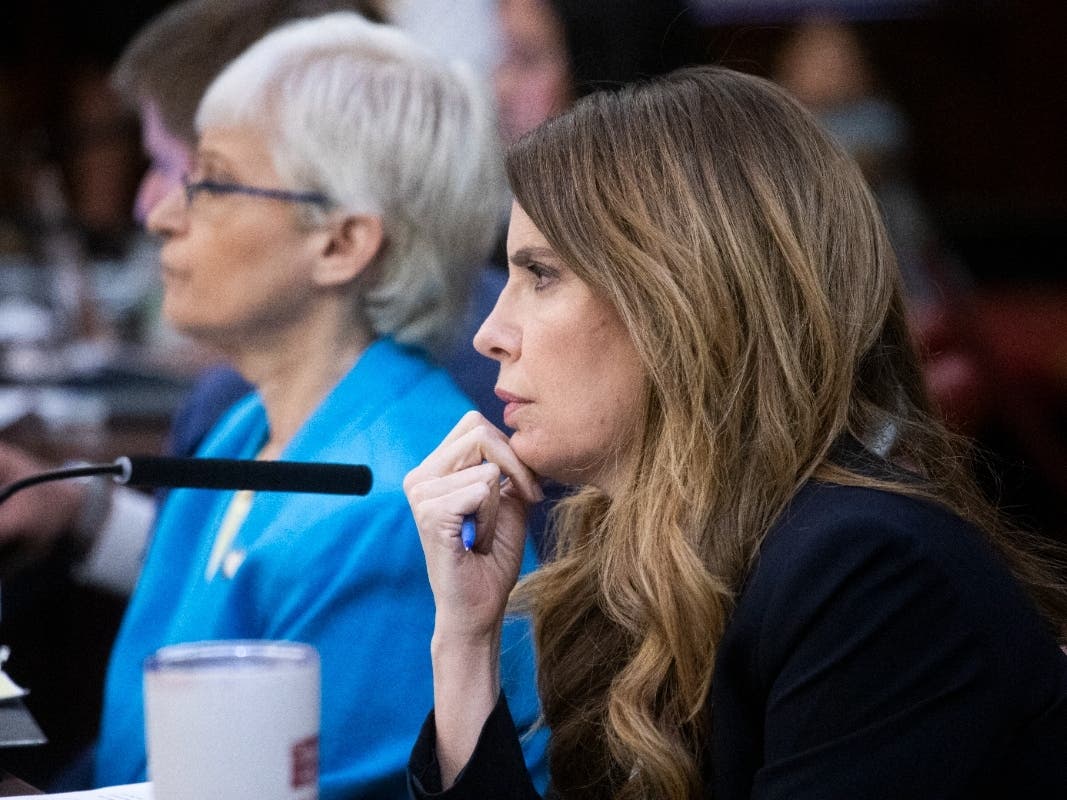
MANHATTAN, NY — City Council lawmakers shared a package of bills during the Legionnaires' disease oversight hearing on Wednesday aimed at preventing another deadly outbreak after a cluster on the Upper East Side killed 11 people and sickened 94 this summer.
The outbreak came one year after a Legionnaires’ cluster in Harlem killed seven people and sickened 90, prompting the city to adopt some of the nation’s strictest cooling-tower testing and enforcement requirements.
Legionnaires’ disease is a severe form of pneumonia caused by Legionella bacteria, which can grow in building water systems, including cooling towers. The disease spreads when people inhale contaminated mist, not through person-to-person contact.
Find out what's happening in Upper East Sidefor free with the latest updates from Patch.
People who are over 50 years old or have weakened immune systems are at the highest risk of becoming seriously ill, officials said. Without early detection, the disease can be fatal.
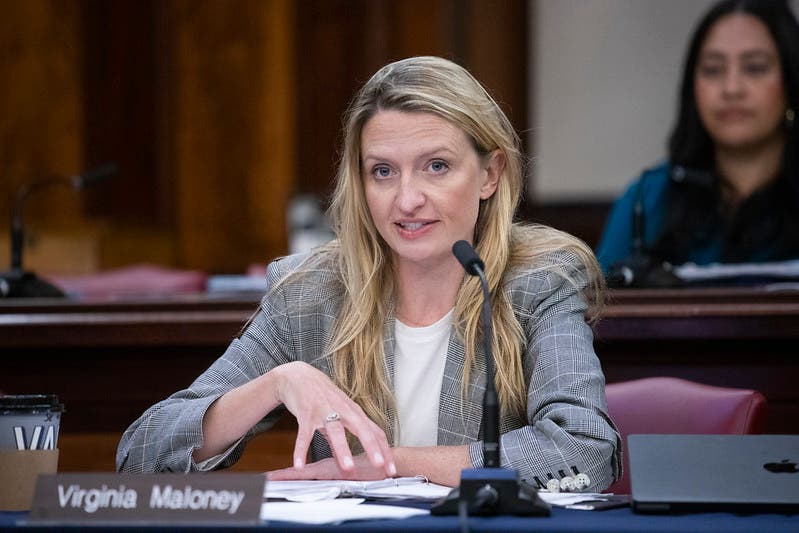
"Preventing future outbreaks is going to require a multifaceted approach: Stronger prevention, enforcement, better public information, and increased transparency," Upper East Side Councilmember Virginia Maloney said during the hearing.
Find out what's happening in Upper East Sidefor free with the latest updates from Patch.
Several members of the Council are now pushing a package of bills to tighten enforcement, improve tenant protections and transparency, and increase pressure on building owners.
The proposals include creating a dedicated Legionnaires’ disease hotline, expanding public education for at-risk New Yorkers, and requiring landlords to quickly provide shower hoses and safety guidance when a case is detected in their building.
Other measures would establish temporary testing sites and a digital map, mandate post-outbreak analyses and annual compliance reviews, create a public database of affected locations, strengthen enforcement and raise fines beyond the current $1,000 and $2,000 penalties.
"We are supportive of some of the council's proposals, and we have some concerns about other bills," New York City Health Commissioner Alister Martin said. "We support pre-introduction 2364, which would require the health and buildings departments to collaborate to identify unregistered cooling towers."
Martin pushed back on mandating temporary testing sites for Legionnaires' disease, saying that the illness requires a full clinical evaluation, and not mass screening.
"Pop-up clinics are not appropriate for screening and testing for Legionnaires' disease, which requires symptom screening, triage, a physical exam, diagnostic testing as necessary, and that could include other things like chest X-rays and blood tests," Martin said. "Furthermore, there is no public health benefit to testing people with no symptoms, as Legionnaires' disease is not transmitted person to person."
Another bill that drew pushback from city health officials is Intro 1006-2026, which would require landlords to clean their cooling towers at least three times a year, including at least once in June or July.
However, Martin said that too many cleanings actually corrode cooling towers and make it harder to control future Legionella outbreaks.
"Unnecessary cleaning and disinfection using biocide can damage cooling tower systems by causing corrosion. That can make the systems more conducive to harboring bacteria and harder to clean," Martin said.
The City's Promised Changes
The day before the hearing, the Mayor's office announced five new measures to strengthen the city's response to Legionnaires’ disease and respond to the City Council's proposals.
The new changes include:
- Improving coordination between the Health Department and Department of Buildings to identify unregistered towers
- Adding a mapping feature to the city’s cooling tower lookup tool
- Exploring faster testing methods, accelerating hearings for violations
- Creating a scientific advisory panel to evaluate emerging cooling technologies and alternative systems
"Our response to the Upper East Side cluster was fast and aggressive, and we are building on what we learned to make our systems stronger, enforcement faster and public health response more transparent," Mayor Zohran Mamdani said.
For questions, email Miranda.Levingston@Patch.com.
Get more local news delivered straight to your inbox. Sign up for free Patch newsletters and alerts.