Chattanooga, TN|Local Classified|For Sale|
The Remarkable Seasonal Performance of Milkweed
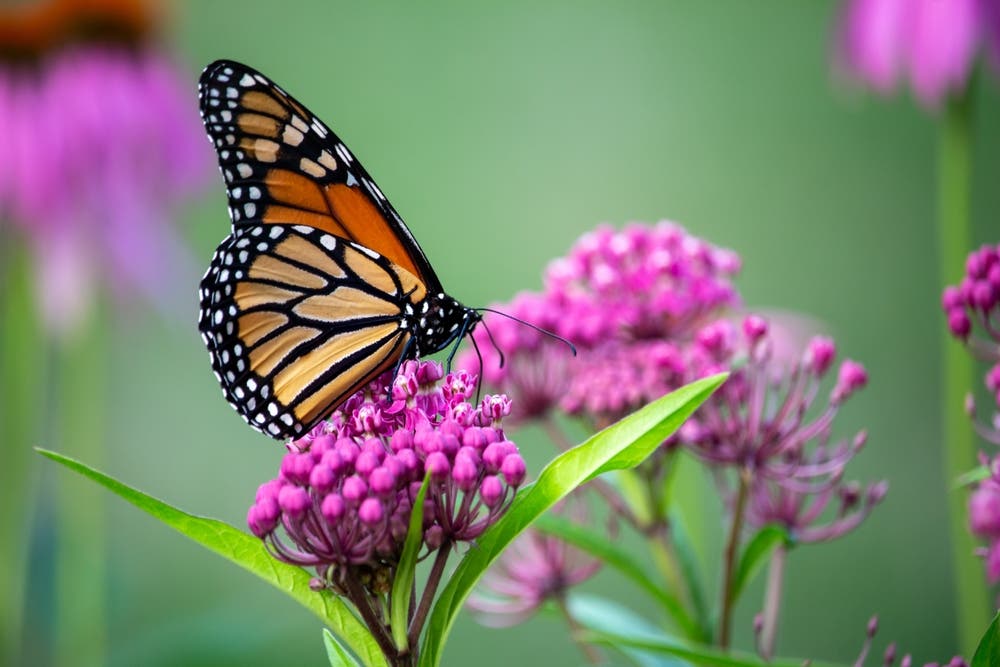
Milkweed offers a remarkable combination of seasonal beauty and ecological importance that few native perennials can match. I have always admired how Milkweed changes throughout the growing season while continuing to provide value from spring through autumn. The emergence of fresh foliage signals the beginning of another productive year, and by summer the landscape becomes filled with the distinctive flowers that make Milkweed such an important native species.
The bloom period of Milkweed is one of its greatest strengths. Clusters of fragrant flowers appear throughout summer, drawing butterflies, bees, and countless beneficial insects into the garden. I find that Milkweed quickly becomes one of the most active plants in any pollinator planting. The steady stream of visitors demonstrates how valuable Milkweed truly is within a healthy ecosystem.
Milkweed is equally important because of its relationship with monarch butterflies. Female monarchs rely exclusively on Milkweed when laying eggs, and the leaves provide the food needed for developing caterpillars. I appreciate how planting Milkweed allows homeowners to directly support one of North America's most recognizable butterfly species.
Growing Milkweed is surprisingly simple. Milkweed performs best in full sunlight and well-drained soil. Once established, Milkweed tolerates periods of drought with ease while continuing to produce vigorous growth. The sturdy stems keep Milkweed upright throughout the growing season, maintaining attractive structure in the landscape.
As summer transitions toward autumn, Milkweed develops decorative seed pods filled with silky fibers. These pods extend visual interest well beyond flowering and naturally disperse seed when mature. Even after the blooms have disappeared, Milkweed remains an attractive feature in native gardens.
Beyond its ornamental qualities, Milkweed improves biodiversity by supporting a wide range of pollinating insects. Birds also benefit from the insects attracted to Milkweed, creating an even healthier garden environment. I value how Milkweed quietly strengthens the entire ecosystem while asking very little in return.
For gardeners interested in native plants, wildlife conservation, and dependable seasonal beauty, Milkweed remains one of the most rewarding choices available. Its resilience, pollinator support, and long-lasting visual appeal ensure that Milkweed continues earning its place in landscapes across the country.