Neighbor News
Unmuted: No Sound. No Voice. No Permission Needed
By Liv Harper — Deaf. Silent. Dominant.

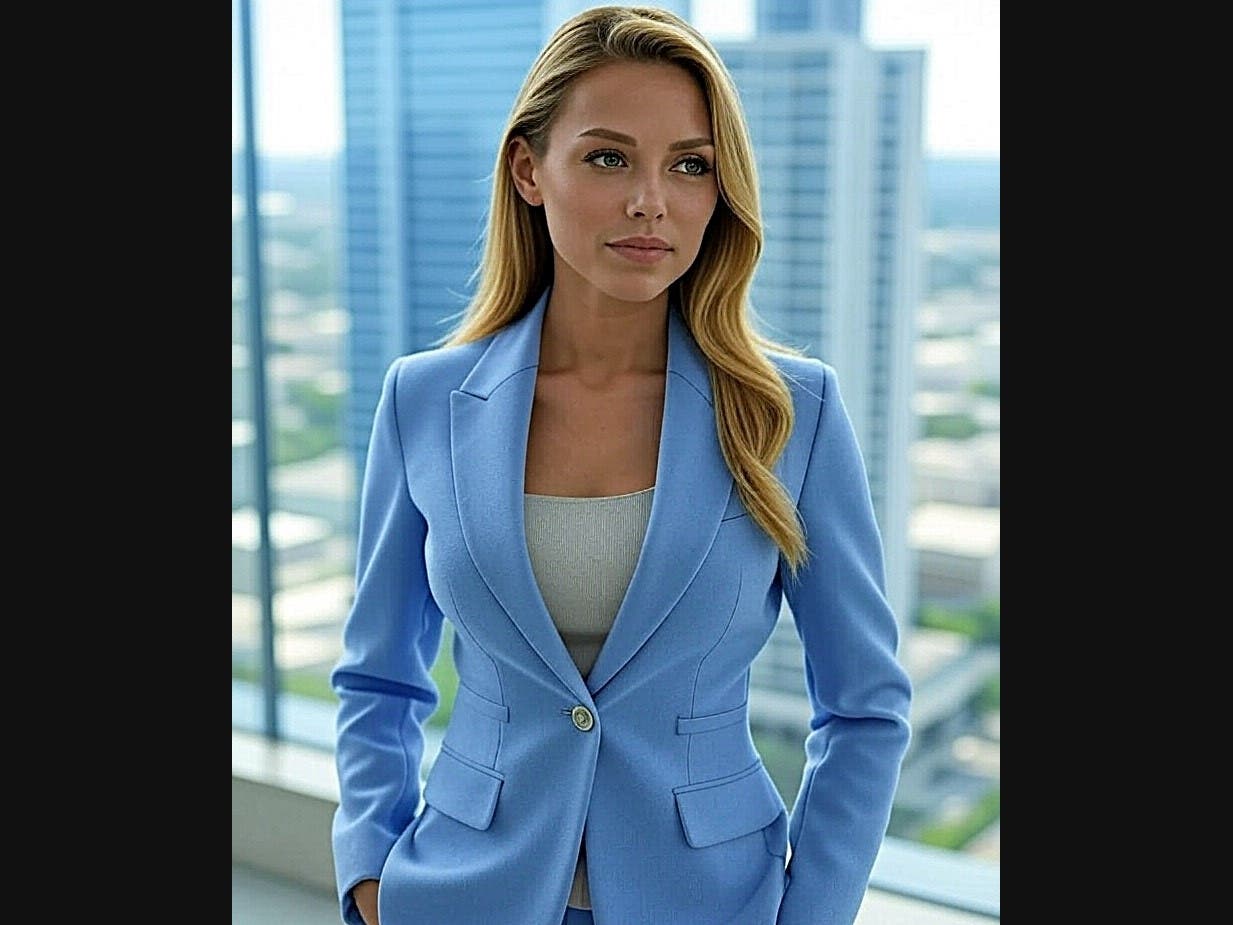
They say the world is meant to be heard—a symphony of sounds, whispers, and shouts. But for me, Olivia "Liv" Harper, it’s always been about seeing, feeling, and understanding in different ways.
I'm 29, profoundly deaf, and I live with a speech impairment that means you won't hear my voice on the airwaves of The JP Emerson Show—the brand JP and I have poured our hearts into. My journey hasn't been without brutal challenges, but it's also been incredibly rich with unique perspectives and triumphs that, I hope, you can feel in your bones.
Growing up, silence was a suffocating presence. My hearing parents, though loving, struggled to connect with me early on. I often felt trapped in a silent bubble, constantly trying to piece together conversations from lip-reading or scribbled notes. Family dinners, once a source of comfort, became a stage for missed jokes and baffling laughter. Classroom discussions were a blur of quick exchanges, leaving me perpetually behind.
Find out what's happening in Austinfor free with the latest updates from Patch.
It wasn't just the absence of sound. It was the chilling realization that I was missing the nuances—the shared understanding that flowed so effortlessly to my hearing peers. This led to a pervasive feeling of being "less than," a shadow that clung to me for years.
Then came a revelation. The Deaf community became my sanctuary—a place where silence wasn’t empty, but bursting with the vibrant, expressive language of American Sign Language(ASL). Learning ASL wasn’t just acquiring a language—it was reclaiming myself. It was liberation.
Find out what's happening in Austinfor free with the latest updates from Patch.
For the first time, I felt truly seen and understood, without having to fight for it. My identity shifted, transforming from a perceived deficit into a celebrated and powerful force. That community became my anchor—a space where I could breathe, be myself, and thrive without explanation or apology.
Navigating the hearing world as an adult, especially as a professional model and an executive in PR, marketing, and distribution, still presents raw challenges. Advocating for accommodations in boardrooms and at major photo campaigns can be utterly draining. I've encountered everything from well-meaning but clueless colleagues to blatant discrimination—battling the maddening assumption that if I can function, I must not be "that" deaf, or that my needs are an inconvenient afterthought.
I’ve learned to be a fierce, unyielding advocate, educating others about deafness and the non-negotiable importance of accessibility—whether it’s a qualified ASL interpreter for high-stakes meetings or ensuring visual alerts are seamlessly integrated into every environment. My strategic vision for The JP Emerson Show isn’t just about growing a brand; it’s about challenging the industry to hear and see differently. Inclusivity isn’t a favor—it’s good business, and it’s a moral imperative.
Joining JP wasn’t just a career move—it was transformation. Before him, I knew the power of my own community. But JP’s unwavering belief that every story, every person, and every truth deserves to be heard, opened my eyes even wider. Through his vision for the show, I saw the deeper purpose: that even the quietest voices belong in the spotlight.
Encountering JP helped me bridge worlds—not just for myself, but for the voiceless beyond my community. I often wonder what shaped him, what sparked his radical empathy and openhearted storytelling. One day, I’ll ask. But what I know now is that his understanding helped amplify mine, empowering me to connect deafness to the universal experience of resilience and purpose.
Still, this world isn’t always safe—especially for women. Safety is never guaranteed. It's a daily battle.
Deaf women face disproportionately higher rates of gender-based violence. The communication barrier is more than inconvenient—it can be a cage. Detecting threats, receiving warnings, and reporting abuse become difficult when systems are designed for a hearing world. This chilling truth has made me vigilant, proactive, and relentless in finding safe spaces.
And online? The anonymity of social media emboldens hate. As a woman, a public figure, and a deaf individual, I’ve seen the dark underbelly. I've received messages, comments, and threats—not just targeting my work, but my gender and my deafness. Misogyny and ableism are real, and the fight for dignity extends far beyond physical space.
That’s why the work of my family’s Foundation, and my efforts with JP on adaptive racing and youth mentorship, matter. We don’t just fund scholarships for Deaf students. We advocate for inclusive design. We fight for authentic representation. Because representation isn’t a luxury—it can save lives, both online and off.
Despite these struggles—despite moments when the weight felt unbearable—I stand here as proof of an indomitable spirit.
My deafness has forged a unique and formidable strength. It honed my observational skills, deepened my empathy, and made me unshakably resilient. I’ve learned to be impossibly resourceful, navigating a world not built for me. And through every triumph, every ache, I’ve found my voice—not in sound, but in advocacy. Not in words, but in presence.
I’m not just a model, an executive, or a partner. I’m a trailblazer. I break barriers and smash perceptions every day. My contributions to The JP Emerson Show go far beyond marketing metrics. They reflect my vision of a truly inclusive world—where diverse voices aren’t just accepted. They’re celebrated.
Here’s my truth, and I hope it echoes: Deafness isn’t something to be fixed. It’s a rich and distinct way of experiencing the world—full of culture, language, identity, and strength. The struggles I’ve faced? They’ve shaped me. They’ve left scars. But they don’t define me.
So if you think this is me asking for permission, think again. If you think this is a plea for sympathy, you weren’t listening.
My life is not a whisper—it’s a roar you might not hear, but you’ll damn sure feel. I don’t need your understanding to exist. I need your respect to thrive.
I am Olivia Harper. I have been silent most of my life—a silence often mistaken for weakness. But I am not broken. I am not less than. I’m not seeking concessions, special treatment, or pity.
I built my life, my career, and my voice from silence.
I cannot hear you. But I see you. I see your judgments, your assumptions, your discomfort—and your courage.
In fact, I probably see you better than you see yourself.
Dismiss me if you choose. I’ll still be here. Shattering ceilings without a sound. Making waves you’ll feel, even if you don’t hear them crash.
Because I wasn’t born to be quiet. I was built to be undeniable.