Health & Fitness
Flu Called Epidemic; 30 Children Have Died From Aggressive Strain
With weeks left in the flu season, a particularly aggressive strain is widespread in 49 states. Young children and the elderly are at risk.


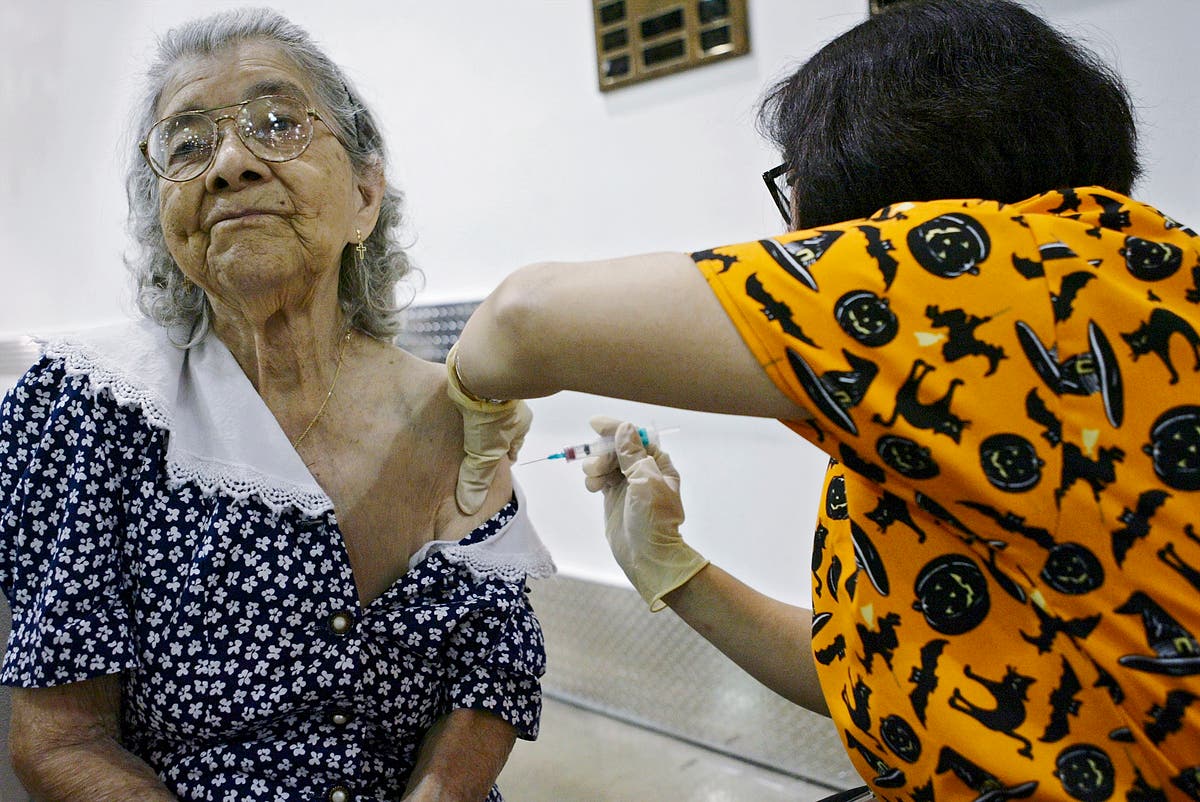
A particularly aggressive flu strain continues its deadly grip on the United States, where it is widespread in every state except Hawaii, the federal Centers for Disease Control and Prevention said Friday. At least 30 children have died, a third of them during the week ending Jan. 13, the last date covered in the CDC’s latest surveillance report.
The report said there were 14,401 new laboratory-confirmed cases of the flu during the week that ended Jan. 13, bringing the season total to 74,562. Patient traffic was up in 32 states, making Jan. 7-13 one of the busiest weeks for flu symptoms in nine years.
The actual number of new cases of the flu is much higher, as the numbers released in Friday’s report reflect only those people who went to a doctor for treatment of their symptoms.
Find out what's happening in Across Americafor free with the latest updates from Patch.
The seasonal total is unprecedented in the 13 years the CDC has been monitoring influenza activity. The agency has declared it an epidemic and has urged anyone who hasn’t received a flu vaccination to get one.
Influenza A, H3N2, is most commonly reported strain and this year’s flu vaccine is only about 30 percent effective in combating it. It’s especially dangerous for young children and people age 65 and older.
Find out what's happening in Across Americafor free with the latest updates from Patch.
And while the flu season should peak soon, the CDC said in a special Jan. 12 briefing that “it will take many more weeks for flu activity to truly slow down.”
To slow the spread of flu, some school districts are closing, including the Bonham Independent School District in Texas, which will be closed until next week. School activities were also canceled, the district said. The Texas Department of State Health Services attributes 1,155 deaths due to flu or pneumonia, which are counted together.
Hospitals across the country are restricting visitors to control the spread of the virus. In southeast Michigan, for example, Beaumont Health said it wouldn’t allow children 13 and younger to visit due to a high volume of patients with the flu. The ban affected all eight of the chain’s hospitals.
In Illinois, multiple hospitals have adopted a state Department of Public Health directive restricting hospital visits by people under the age of 18, limiting the number of patients to two people per room and, in some cases, requiring visitors to wear masks.
Similar visitation restrictions were put in place by a hospital in Georgia, which barred anyone experiencing flu-like symptoms, children under 13 and people who are not immediate family members.
To avoid catching or spreading the flu, health officials advise:
- Frequent and thorough hand-washing with soap and warm water. Alcohol based gels are the next best thing if you don't have access to soap and water.
- Cover your nose and mouth when coughing and sneezing to help prevent the spread of the flu. Use a tissue or cough or sneeze into the crook of your elbow or arm.
- Avoid touching your face as flu germs can get into the body through mucous membranes of the nose, mouth and eyes.
- If you are sick, stay home from school or work. Flu sufferers should be free of a fever, without the use of a fever reducer, for at least 24 hours before returning to school or work.
AP Photo/Damian Dovarganes: File
Get more local news delivered straight to your inbox. Sign up for free Patch newsletters and alerts.


![Is Trick-Or-Treating Becoming A Zombie? [Block Talk]](https://patch.com/img/cdn20/shutterstock/790386/20261009/104846/styles/patch_image/public/shutterstock-70173520___09104608634.jpg)