Politics & Government
Hillary Clinton's Book 'What Happened' Is Wildly Popular
She may have lost the election, but she's dominating the market for non-fiction books.

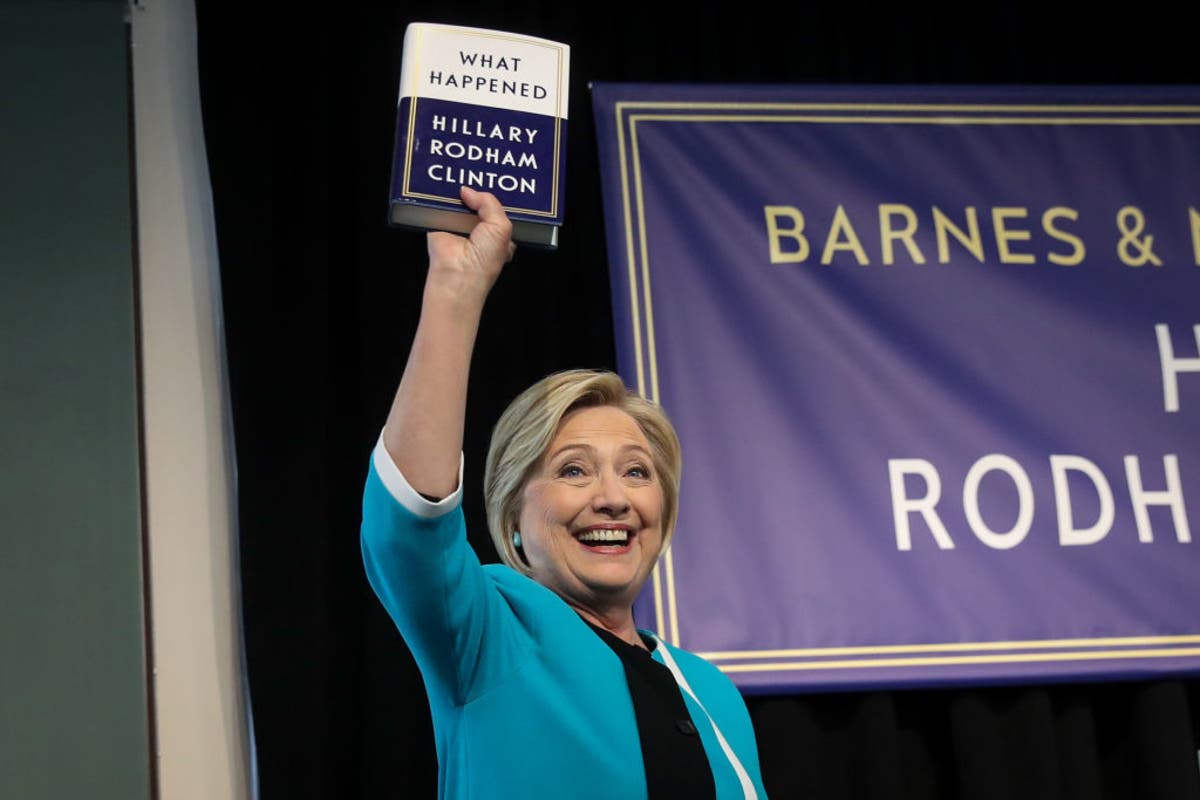
NEW YORK, NY — Hillary Clinton's book about the most shocking and disruptive electoral defeats in modern history is turning out to be a stunning success. "What Happened," the defeated Democratic nominee for president's memoir about her contentious 2016 political battle with Donald Trump, has already sold more than 300,000 copies in the combined formats of hardcover, e-book and audio, Simon & Schuster told The Associated Press on Wednesday.
Hardcover sales of the book since it hit the market last week — at 168,000 copies purchased — have surpassed the launch of any nonfiction book in the last five years.
The most recent book to outpace "What Happened" in hardcover sales was 2012's Mark Owen book "No Easy Day," which told the story of the famous raid that took out former al-Qaida leader Osama bin Laden. It sold more than 250,000 copies when it debuted. (For more information on this and other political stories, subscribe to the White House Patch to receive daily newsletters and breaking news alerts.)
Find out what's happening in Chantillyfor free with the latest updates from Patch.
Watch: Hillary Clinton Signs Copies Of Her New Book In NYC
Media reception to the "What Happened." has been uneven. While some have praised the book as more forthright and analytical than your standard political memoir, others have criticized Clinton for dredging up deep animosities from both the primary and general elections of 2016 and for blaming others for her loss. Clinton writes multiple times in the book about her own failings and acknowledges that a candidate bears final responsibility for the outcome of the race, but she also spends much time apportioning blame for the loss to former FBI Director James Comey, Russian President Vladimir Putin and even her former primary rival, Sen. Bernie Sanders of Vermont.
Find out what's happening in Chantillyfor free with the latest updates from Patch.
Sales for "What Happened" far exceeded the first week numbers of more than 100,000 copies for Clinton's book about her years as secretary of state, "Hard Choices," which came out in 2014 as she was preparing to launch her run for president. "What Happened" has been at or near the top of the Amazon.com best-seller list since its publication Sept. 12 despite a suspicious early wave of negative reader reviews (later pulled by Amazon), likely posted by commentators who had not yet read the book.
"The remarkable response to 'What Happened' indicates that, notwithstanding all that has been written and discussed over the last year, there is clearly an overwhelming desire among readers to learn about and experience, from Hillary Clinton's singular perspective, the historic events of the 2016 election," Simon & Schuster CEO Carolyn Reidy said in a statement. "In its candor and immediacy, 'What Happened' is satisfying that demand."
Clinton's all-time opening was for her memoir, "Living History," a 2003 release that included her first extended comments on the affair between her husband, President Bill Clinton, and White House intern Monica Lewinsky. "Living History" sold more than 600,000 copies in its first week and came out before the fall of the Borders superstore chain and struggles of Barnes & Noble weakened the hardcover market.
Clinton had promised to let her "guard down" for her first book to come out when she was neither in government nor seeking office. Responses to "What Happened," as with so much of Clinton's political career, have varied widely. "What Happened" has been called everything from boring and self-serving to revelatory and poignant.
According to Simon & Schuster, the book set a company record for weekly digital audio sales and sold more e-book editions in a single week than any nonfiction release from the publisher since Walter Isaacson's biography of Steve Jobs in 2011.
Write a letter to the editor of the White House Patch.
Like us on Facebook:
Follow us on Twitter.
Cody Fenwick contributed to this report.
Photo by Drew Angerer/Getty Images