Kids & Family
Bringing Fresh And Local Produce To Your Own Backyard
If you're ready to start the journey to growing your own healthy and delicious fresh produce, here are a few tips to get you started.


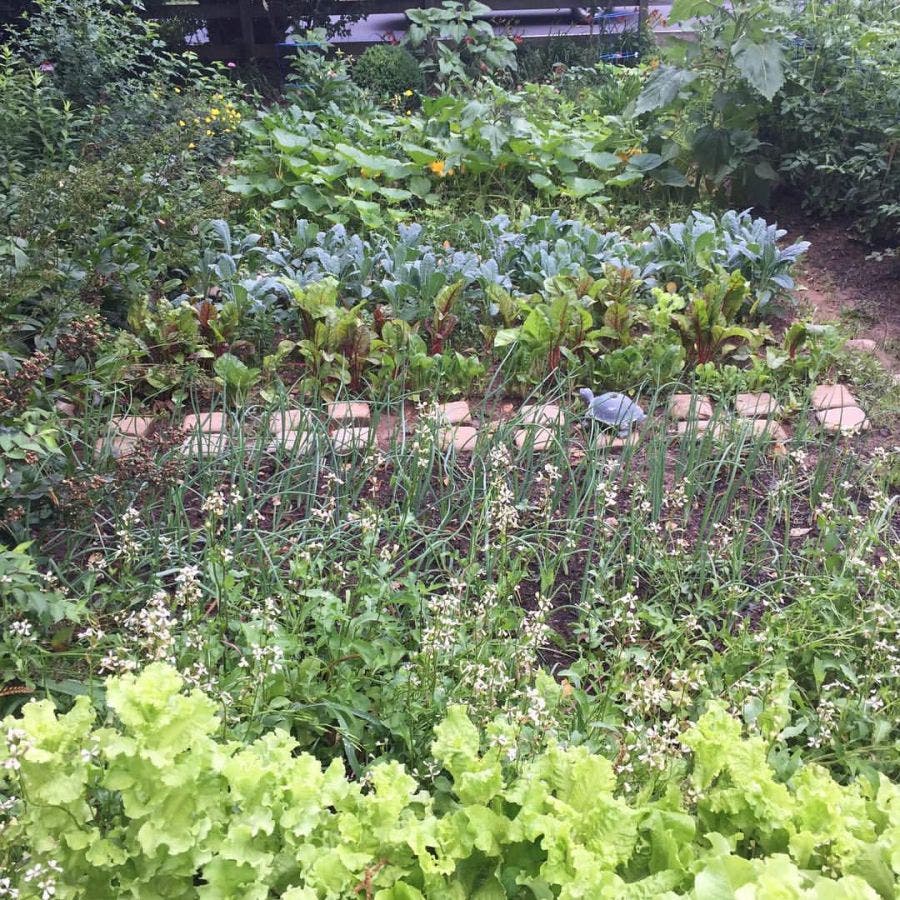


Farm to table has become all the rage over the past few years, with everyone rushing to put fresh, local produce on the dinner table. The good news is, eating fresh is good for your family and will ultimately create a healthier America. The bad and somewhat daunting news is the cost of purchasing, in order to eat fresh, is anything but cheap, and consequently good intentions go out the window when the extra money needed is just not there to pay for it.
What if I told you that you can hedge inflation and feed your family for the entire spring, summer and fall, with fresh, organic produce with an investment of just under $100, and possibly half of that, if you shop sales and gardening specials? And what if I told you that you can have more fresh produce than you can possibly eat by setting aside about three hours per week? And if you make it a family affair, the investment of time spent individually is even less.
Whether you have a porch, balcony, small backyard or land to spare, you can, for the cost of seeds, and a little work, do what this farm girl does, and have done most of my life: grow your own.
Find out what's happening in Fairfax Cityfor free with the latest updates from Patch.
To the average person who has not experienced a home or kitchen garden, it can be a little intimidating, but growing your own vegetables and herbs is not as difficult as it might seem. If you have the desire to take control of your health and your family food budget, you are 90 percent on your way to, in just a few weeks, gathering fresh, delicious produce from your own backyard.
If you are ready to start the journey to growing your own healthy and delicious fresh produce, here are a few tips to get you started.
Find out what's happening in Fairfax Cityfor free with the latest updates from Patch.
1. Assess your real estate
And by this I mean, what does your home look like? Do you live in an apartment, and a windowsill is the only growing space available to you? Believe it or not, windowsills are the perfect place to grow fresh herbs. If this is the only space you have, then use it. Fresh herbs are great to use to season all kinds of dishes, and by growing your own, you can make a dent in your food budget. The health benefit is that you can cut down on salt, which means healthier, more flavorful dishes, by simply using fresh herbs. Seeds can range anywhere from just under $1 and up to $3 on the high end. Consider that fresh herbs for just one meal when purchased will average around $3, which means instant savings to your food budget. Another option is to purchase herb seedlings and re-pot them in gardening soil to place on the sill. Keep an eye out for sales that are very common this time of the year.
If you have space on a patio or balcony, consider a container garden as a possibility. Containers can be used to grow anything from tomatoes and peppers to lettuce, kale and spinach; and the list goes on and on. Keep in mind that you will need an area that gets at least six hours of direct sunlight for the best results.
And if you are fortunate enough to have space in your yard to grow vegetables, then this is the absolute best of all worlds. Use what is essentially free space to get that garden started.
2. Start small
It is quite easy to become overly ambitious once visiting a garden center and exploring all of the wonderful possibilities of foods you can grow. The most important thing to keep in mind is your garden will not maintain itself and that you will have to spend time taking care of it. If you are limited as far as time, consider planting vegetables and herbs in existing flower beds. Not only does it make for an interesting landscape, but it also cuts down on extra work. Adding beautiful containers to dress up your flower garden and filling them with food is another possible option to get the job done.
Finally, if you decide to carve out a space in your yard to devote to a kitchen garden, then by all means, let’s get started. You can get detailed instructions in the gardening section of my blog to help with the process.
3. Consider raised beds
If you dread the idea of weeding a garden week after week, then this might be the best possible option for your family. The advantage of raised beds is you are able to contain the space with little or no effort, the maintenance is less, and weeds, because the ground is elevated, are lessened significantly. Be sure to choose container materials that are free of chemicals as these will leech into the soil and ultimately into any food that is being grown in the area.
4. Plan
Nothing works better to grow a good garden than a good plan. Determine what you would like to feed your family and what will be the investment of both cost and time. Keep in mind, too, that like most things in life, gardening is a process. Rather than trying to do it all, do a little and do it well.
5. Attend gardening seminars and consult your local gardening center experts
Most of these are free, and bear in mind that the goal of these seminars is to sell product, so enter with a plan of what you will grow and what you will invest, and then stick to it.
To garden along with me, be sure to check in often on my blog and on social media for ideas, tips and gardening finds.
Happy gardening!
I'm Bonnie McDaniel of Farm Girl In the City™ and I'll be writing on Patch about gardening, cooking, flowers, good living, urban gardening and more!
Connect with me on social media on Twitter and Instagram for your daily dose of food and garden inspiration. You can also find me on Facebook, and check out my blog here. Stay tuned for the publishing of my new cookbook, due out later this year!