Crime & Safety
Ending Homelessness Takes More Than Outdoor Sleeping Ban: Advocate
Fairfax City leaders can now enforce outdoor sleeping bans, but that doesn't address the underlying causes of homelessness, advocates say.


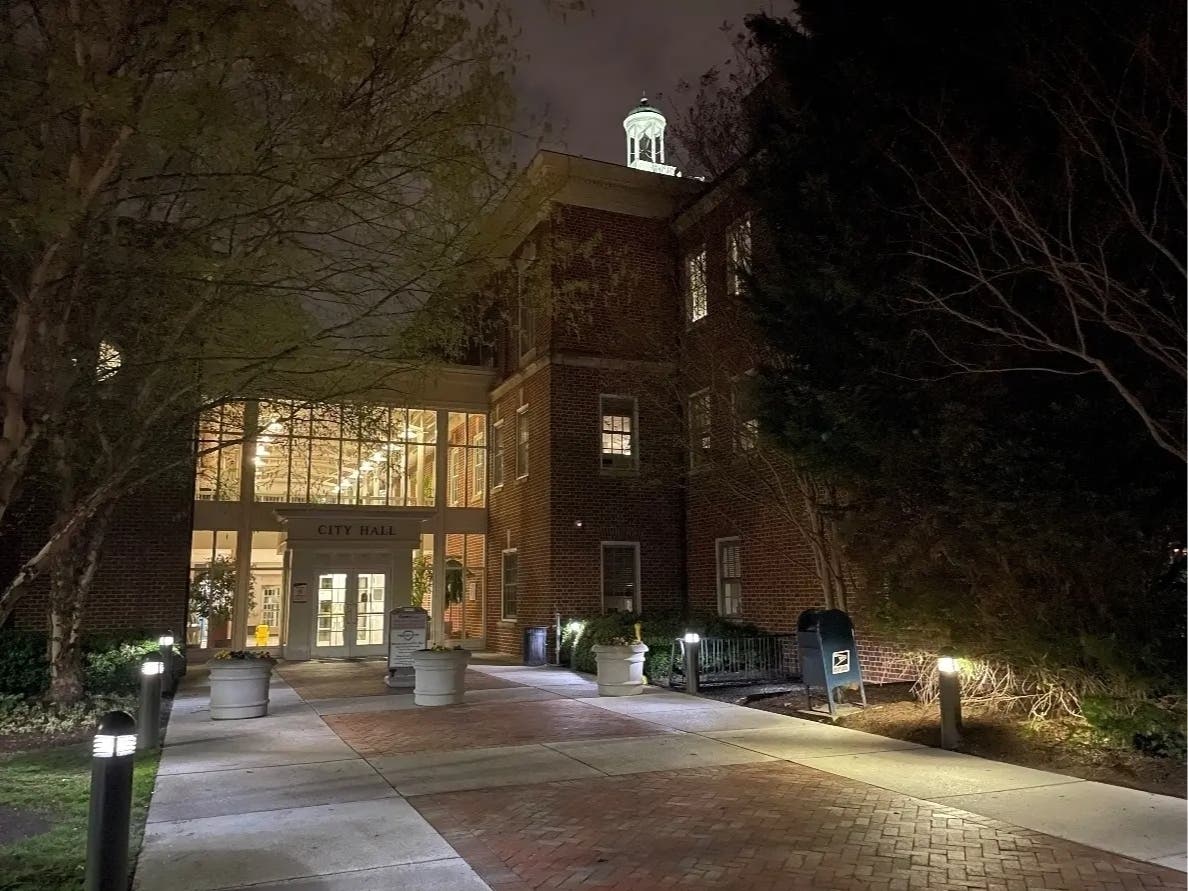
FAIRFAX CITY, VA — Two days after the Homelessness Task Force submitted its recommendations to the Fairfax City Council at its June 25 meeting, the U.S. Supreme Court cleared the way for cities to enforce bans on homeless people sleeping outside in public places.
In a 6-3 decision, the court overturned a California-based appeals court ruling that such laws constituted "cruel and unusual punishment" and therefore violated the Eighth Amendment, according to the Associated Press.
“Homelessness is complex. Its causes are many. So may be the public policy responses required to address it,” Justice Neil Gorsuch wrote, on behalf of the majority. “A handful of federal judges cannot begin to ‘match’ the collective wisdom the American people possess in deciding ‘how best to handle’ a pressing social question like homelessness.”
Find out what's happening in Fairfax Cityfor free with the latest updates from Patch.
The homelessness task force was aware of the pending case of Grants Pass v Johnson and that it could affect policies or ordinances in Fairfax City, according to Mayor Catherine Read, who was a member of the task force.
"We concluded our recommendations before the decision," she said, in an email to Patch. "The authority given to localities to ban sleeping outdoors doesn’t mean that communities will choose to do so. It’s a complex situation. We have no emergency shelter located in Region Four in Fairfax County, which includes the city."
Find out what's happening in Fairfax Cityfor free with the latest updates from Patch.
With the National League of Cities hailing the decision as a win for local control, the issue was placed squarely on the shoulders of local elected officials, Read said. "We need to carefully consider the various impacts any ordinance changes will have on the entire community."
Councilmember Kate Feingold-Doyle, an attorney and task force member, agreed with Read that homelessness is a complex issue that requires complex and varied responses.
"Having a local ordinance that prohibits camping on public land allows police officers to direct individuals to clean-up and leave, it does not mean those individuals will face cruel or unusual punishment," she said. "Police have the ability to use discretion and often telling people to stop camping is enough. I think it’s important for localities and states to have the flexibility to enact ordinances that prohibit conduct which impacts the health and safety of the community. These ordinances apply to any person, regardless of status."
In an email to Patch, Feingold-Doyle shared this passage from the court's decision:
"Grants Pass’s public-camping ordinances do not criminalize status. The public-camping laws prohibit actions undertaken by any person, regardless of status. It makes no difference whether the charged defendant is currently a person experiencing homelessness, a backpacker on vacation, or a student who abandons his dorm room to camp out in protest on the lawn of a municipal building."
The 35 recommendations the 15-member task force presented to the city council were the culmination of a year of meetings focused on identifying strategies to address homelessness in the city.
"There are several root causes of homelessness," Deputy City Manager Valmarie Turner told councilmembers on June 25. "One is simply the insufficient number of affordable housing and permanent supportive housing units. This is a national crisis, and so there is a disconnect between what someone can afford and what units are available to them."
The HUD area median income for a single-person household in Fairfax County is $106,450 per year, according to the task force's report.
"To earn even half of that, a person would need a full-time job paying $26 per hour," the report says. "To afford a monthly rent of $1,700, a person would need to earn $68,000 per year or $32.70 per hour."
Fairfax City participates in the Fairfax-Falls Church Continuum of Care, which is a HUD program that designed to promote a community-wide commitment to the goal of ending homelessness.
"Nonprofits and local governments work together to quickly rehouse homeless individuals and families, also to promote access to and effective utilization of the mainstream programs by homeless individuals and families, and it's also to optimize self-sufficiency among those experiencing homelessness," Turner said.
Tara Ruszkowski, executive director of the Lamb Center, the city's homeless day shelter, agreed with Turner. Rather than trying to arrest its way out of the homelessness crisis through the outdoors sleeping ban, the city should focus on the availability of affordable housing and support services to put the city's unhoused population on the path to self sufficiency.
"We have to get at the underlying issue," she said. "I think Fairfax City deserves great credit for the serious focus it has on homelessness and its desire to work with nonprofits, state partners, and the county. It's that holistic response that is ultimately going to improve our community"
The Associated Press contributed to the reporting of this story.
Get more local news delivered straight to your inbox. Sign up for free Patch newsletters and alerts.