When preparing for a civil case, my clients often wonder if they are able to use recorded conversations or surveillance video against the other party if the other side didn’t know that they were being recorded. This is a common question among clients facing divorce, custody fights, and civil lawsuits.
States have different rules when it comes to recording and surveillance, and knowing the law is vital before embarking on amateur surveillance. In Virginia, different rules apply to video and audio recordings. This is important to note because the use of a video camera with audio may very well be illegal.
In Virginia, it is legal, and often admissible in Court, to record audio of conversations as long as one of the individuals being recorded is a) aware of the recording taking place, and b) consents to being recorded. This is referred to as “one party consent.” While some states require that all parties to a conversation consent to being recorded, Virginia Code § 19.2-62 only makes it a crime to “intercept or record” any oral communication unless at least one party to the conversation consents. Further, the person that knows of and consents to the recording can be the same person that made the recording. So if you are recording the audio of a conversation between you and your ex-spouse, that recording is legal because you are aware of and consent to the recording.
Find out what's happening in Herndonfor free with the latest updates from Patch.
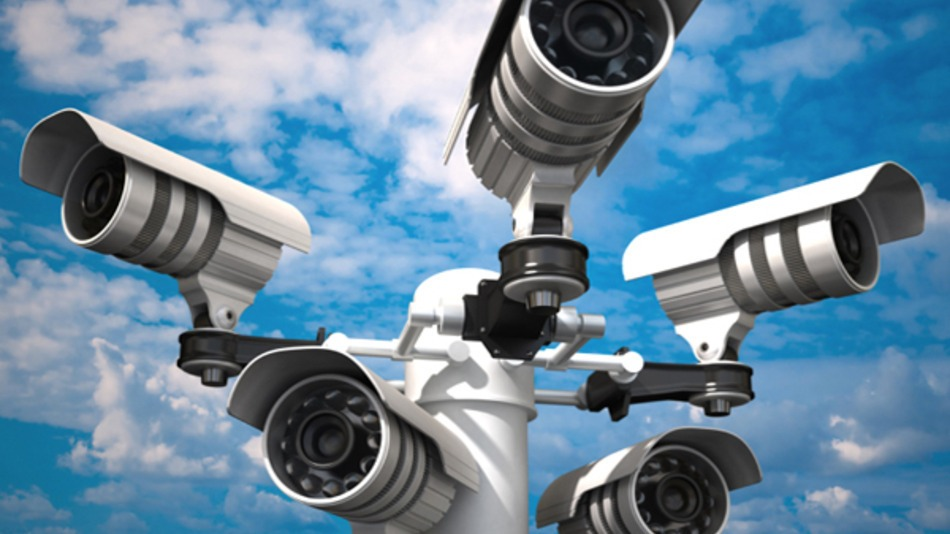
Video recordings in Virginia are legal with a few exceptions. Virginia Code §18.2-386.1 makes it a crime to videotape, photograph or film a non-consenting person who is totally nude or clad in undergarments, or in a state of undress, so as to expose that person’s private parts and the circumstances are such that the person has a reasonable expectation of privacy. This means that you would need to ensure that the video recording device is not located in a place where other people would reasonably expect privacy – such as a bedroom or bathroom. However, video recordings are legal in Virginia as long as they do not record audio. If your video recording device also records same time audio, the laws discussed above would apply and at least one person on the audio/video recording would need to be aware of and consent to the recording.
Before you embark on your surveillance and start recording people, beware! Make sure that you know the laws and how those laws apply to your situation. What is legal in Virginia is not necessarily the same in Maryland or the District. You also need to be sure that you are aware of what you are recording, and the type of device you are using. Violation of these laws can mean more than just the exclusion of your evidence at trial; illegal surveillance is punishable as a felony in Virginia. It is always advised that you consult a knowledgeable attorney before conducting any type of surveillance. When performed in compliance with the law, audio and video recordings can be a useful and relevant form of evidence in trial.
Find out what's happening in Herndonfor free with the latest updates from Patch.
Legal Disclaimer: This blog is designed for general information only. The information you obtain at this blog is not, nor is it intended to be, legal advice. You should consult an attorney for advice regarding your individual situation. We invite you to contact our office and welcome your calls, letters and electronic mail. Contacting the firm alone does not create an attorney-client relationship.