Arts & Entertainment
Pioneers of Preservation and Progress
Two leaders, at different times, made a difference in fighting for historic preservation of Mount Vernon.


This story concludes a three-part series about the Mount Vernon Ladies' Association in honor of Women's History Month. If you missed the last two installments, catch up on Patch by reading about and .
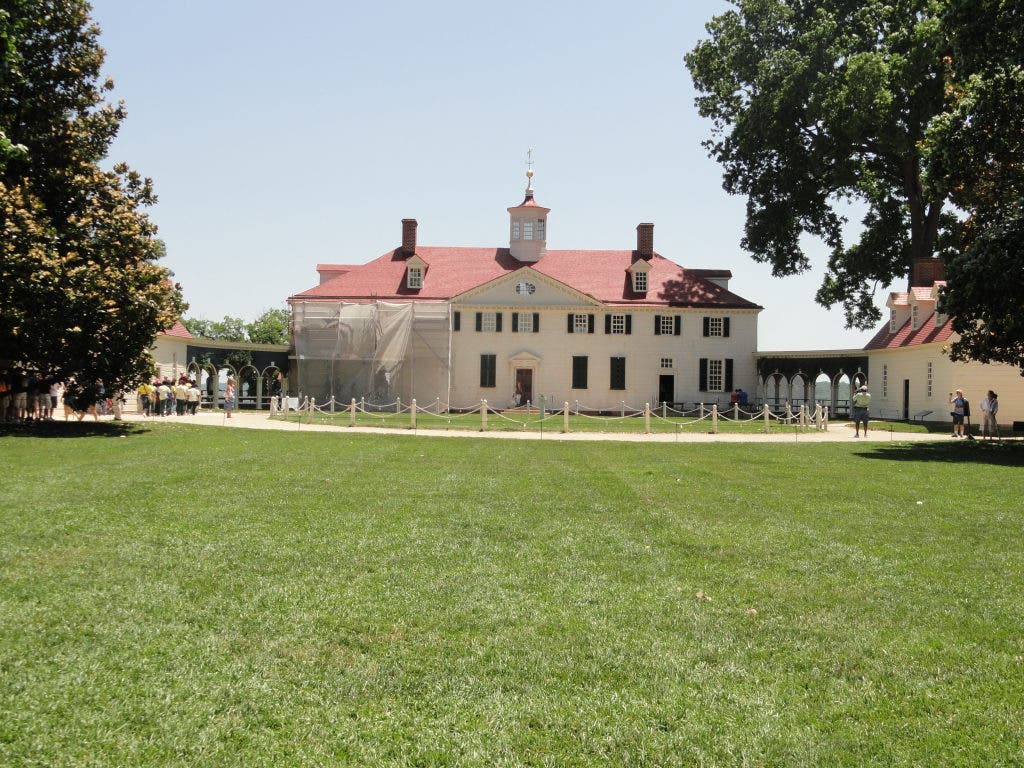
After Ann Pamela Cunningham resigned from the Mount Vernon Ladies’ Association in the late 19th century, the association forged on in its crusade to preserve the Mount Vernon Estate despite numerous challenges.
Two women, at different times, both with remarkable leadership skills, proved they could truly make a difference.
Find out what's happening in Mount Vernonfor free with the latest updates from Patch.
An Electrifying Idea
Phoebe Apperson Hearst had some big ideas for preserving the mansion that included some modern measures. Hearst, Vice Regent for California, served on the board of the Mount Vernon Ladies’ Association from 1899 until 1918.
Find out what's happening in Mount Vernonfor free with the latest updates from Patch.
In 1916, she pushed for the board to vote in favor of installing an electrical system in the mansion. Thomas Edison’s firm sent a plan that outlined an electrical system that was powered by generator-fed storage batteries at a cost of $3,325 with a “guarantee of absolute safety.” The board was skeptical, as reported in the minutes during that meeting in 1916:
“The proposed installation of electricity at Mount Vernon came as a shock to some of the Vice Regents, seeming to be most incongruous in this antique home where everything in the way of colonial customs is preserved as far as possible. The question of safety was the strongest argument used, kerosene lamps and candles being considered dangerous on account of fire. After all, kerosene was as unknown to Washington as electricity. Discussion of the innovation occupied some time, the majority of the Vice Regents finally becoming convinced that for safeguarding the buildings at Mount Vernon electricity should be installed.”
Hearst argued that the system would provide a higher level of safety, but she also offered to pay the bill for the installation of the system. The board voted to adopt the new system in the end.
Hearst also wrote checks to build a seawall at Mount Vernon, which halted the erosion of the shoreline in front of the mansion. She was also a regular contributor to the Mount Vernon Ladies’ Association’s endowment and purchased period furniture and artwork to support restoration efforts.
“I’ll Do It Myself!”
Ohio Congresswoman and Vice Regent Frances Payne Bolton used her political clout to fight against air traffic over Mount Vernon, securing a two-mile protective space in all directions. However, her opposition to the threat from nearby residential and commercial development helped preserve the view of the Potomac River visitors enjoy today.
During the spring of 1955, a Maryland neighbor informed the Mount Vernon Ladies’ Association that he sold an option to close to 500 acres of land directly across from Mount Vernon to a group of Texas investors who were seeking a place to construct a major oil tank farm on a river location. Plans for a sewage treatment plant were in the works; the planners offered to make their structure a replica of Mount Vernon, which added insult to injury.
Mount Vernon’s resident director, Charles Cecil Wall, turned to Frances Payne Bolton, who had joined Mount Vernon’s board as Vice Regent for Ohio in 1938, just a few years before assuming her late husband’s seat in Congress. The Bolton family possessed considerable wealth, power, and influence.
When Wall explained that those 500 acres were about to become the new home for an oil tank farm and that his efforts to secure the property through governmental and private resources were unsuccessful, Bolton said, “I’ll do it myself!” She purchased the land, known as Bryan’s Point, for $333,000. Wall rightfully noted “nothing so wonderful has happened since Miss Cunningham signed the purchase agreement with John A. Washington, Jr.” Preserving the view was of paramount importance to Mount Vernon because George Washington had deliberately designed his home to fit within the existing landscape. The Estate was magnificent in part due to its surroundings.
This close call appeared to galvanize the movement to protect the viewshed, and in the spring of 1957, with the support of the National Park Service, Bolton organized and was elected president of the Accokeek Foundation, which was chartered “to preserve, protect, and foster . . . an area of great beauty along the Maryland shore.” She was president for nearly 20 years until her death in 1976 and helped preserve thousands of acres of land.
Without the efforts of Hearst and Bolton, the Estate would not exist as it does today.
Get more local news delivered straight to your inbox. Sign up for free Patch newsletters and alerts.